What Are the Different Types of Car Wrap Materials Available in Twinbrook MD
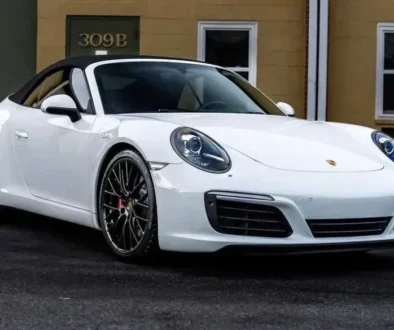
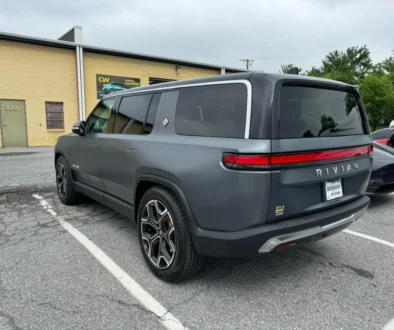
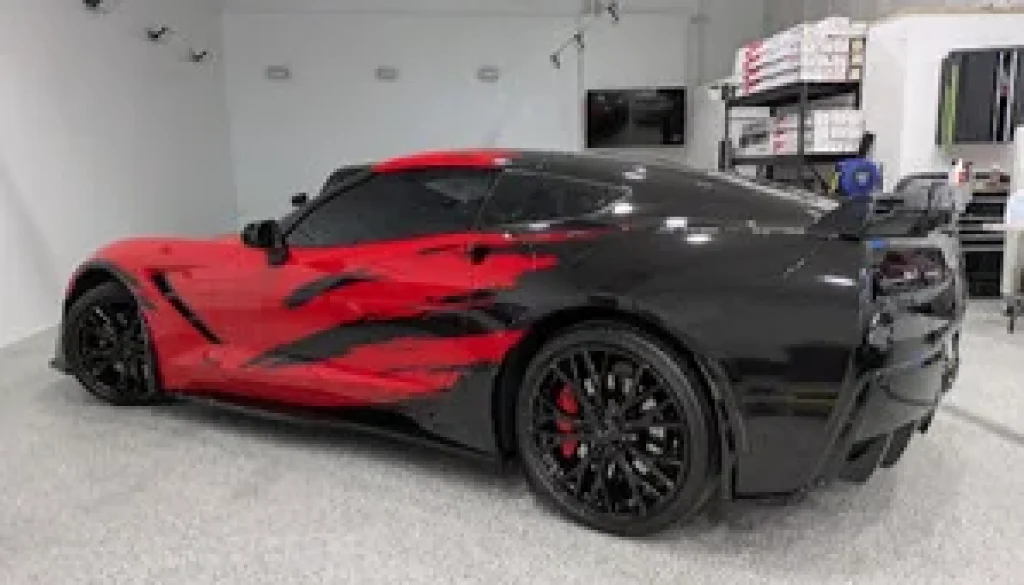
Twinbrook has become a hotspot for automotive customization, and you’ve probably noticed stunning wrapped vehicles around town. Whether parked near Twinbrook Park, driving past the Twinbrook Library, or pulling into the Twinbrook Forest Swimming Pool on a summer afternoon, these eye-catching cars showcase the incredible transformation that professional wrapping can achieve. Car wraps have revolutionized the automotive customization landscape, offering vehicle owners countless options to express their style or protect their investment. But what exactly goes into these wraps? Let’s dive deep into the different types of car wrap materials you’ll find when exploring car wrapping services in Twinbrook MD with professionals like Capital Wrappers.
Understanding Car Wrap Materials
Before we jump into the specific types, it’s worth understanding what car wrap materials actually are. Think of them as giant, adhesive stickers designed specifically for vehicles. These materials are engineered to conform to your car’s curves, resist the elements, and maintain their appearance for years. The quality and type of material you choose will significantly impact how your wrap looks, how long it lasts, and how well it protects your vehicle’s original paint.
The wrap industry has evolved tremendously over the past decade. What started as simple vinyl advertising has grown into a sophisticated market with materials designed for every purpose imaginable. Whether you’re looking to change your car’s color completely, add a protective layer, or create a show-stopping custom design, there’s a material designed specifically for that goal.
Vinyl Car Wrap Materials
Vinyl forms the foundation of most car wrap shop in Twinbrook MD. This versatile material comes in two primary categories, each with distinct characteristics.
Cast Vinyl Wraps
Cast vinyl represents the premium tier of wrap materials. Manufacturers create this material through a casting process where liquid vinyl is poured onto a casting sheet and allowed to cure. This process results in a thinner, more flexible material that conforms beautifully to complex curves and recessed areas of your vehicle.
What makes cast vinyl special? It’s all about longevity and performance. This material typically lasts between seven to ten years when properly maintained. The molecular structure created during the casting process makes it more stable, meaning it resists shrinking and holds its color better over time. If you’re planning to keep your wrap for the long haul, cast vinyl is your best friend.
Calendared Vinyl Wraps
Calendared vinyl takes a different approach to manufacturing. The material is created by processing vinyl through a series of rollers (calendars) that press it into sheets. This method produces a thicker, less expensive material that works wonderfully for many applications.
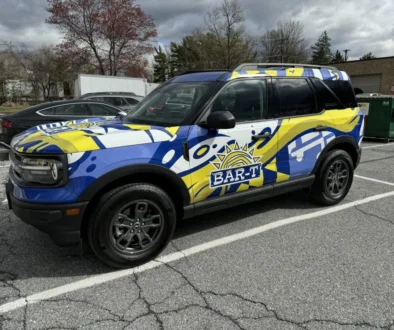
While calendared vinyl might not have the same lifespan as cast vinyl (typically three to five years), it’s perfectly suited for shorter-term projects or vehicles with simpler, flatter surfaces. Many businesses use calendared vinyl for fleet vehicles or temporary promotional wraps. It’s a practical choice that delivers excellent results without breaking the bank.
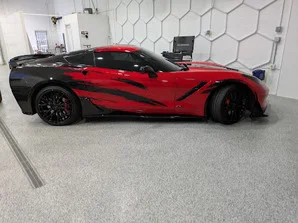
Specialty Car Wrap Finishes
Beyond the basic vinyl types, the finish you choose dramatically affects your vehicle’s final appearance. Let’s explore the most popular options.
Matte Finish Wraps
Matte wraps have surged in popularity, offering a sophisticated, understated look that turns heads without shouting for attention. This finish eliminates all shine, creating a flat, smooth appearance that many find incredibly appealing. Matte wraps require specific care (you can’t use traditional car wax on them), but they create a modern, refined aesthetic that’s hard to beat.
Gloss Finish Wraps
If you want your vehicle to look like it just rolled off a showroom floor with a fresh paint job, gloss wraps are your answer. This finish mimics traditional automotive paint, delivering that deep, shiny appearance we associate with new cars. Gloss wraps reflect light beautifully and are relatively easy to maintain with standard car care products.
Satin Finish Wraps
Can’t decide between matte and gloss? Satin finish wraps split the difference perfectly. They offer a subtle sheen that’s more refined than matte but not as reflective as gloss. Think of it as the Goldilocks option, providing just the right amount of shine while maintaining that premium, distinctive look.
Textured and Specialty Materials
Want something that really stands out? Textured and specialty materials take customization to the next level.
Carbon Fiber Wraps
Carbon fiber wraps replicate the distinctive woven pattern of actual carbon fiber material. While they don’t provide the structural benefits of real carbon fiber, they deliver that high-performance aesthetic at a fraction of the cost. These wraps are particularly popular for accent pieces like hoods, roofs, or mirror caps, adding a sporty touch to any vehicle.
Chrome and Metallic Wraps
Nothing commands attention quite like a chrome or metallic wrap. These highly reflective materials create a mirror-like finish that’s impossible to ignore. Chrome wraps come in various colors beyond silver, including gold, blue, and even rose gold. Keep in mind that these finishes are bold statements that require confidence to pull off.
Color-Shift and Chameleon Wraps
Ever seen a car that seems to change color depending on the angle and lighting? That’s the magic of color-shift wraps. These materials incorporate special pigments that reflect different colors based on viewing angle and light conditions. One moment your car appears purple, the next it’s green. It’s automotive artistry that never gets old.
Protection-Focused Wrap Materials
Not all wraps are about changing your vehicle’s appearance. Some prioritize protection above all else.
Clear Paint Protection Film (PPF)
Paint Protection Film is the invisible shield your car’s paint never knew it needed. This clear, urethane-based material protects against rock chips, scratches, bug splatter, and UV damage while remaining virtually invisible. Many PPF products now feature self-healing properties, meaning minor scratches disappear with heat exposure. Capital Wrappers and other professional installers often recommend PPF for high-impact areas like front bumpers, hoods, and side mirrors.
Ceramic-Coated Wraps
Some manufacturers now produce wraps with integrated ceramic coatings. These materials combine the color-changing benefits of traditional wraps with enhanced protection and easier maintenance. The ceramic coating creates a hydrophobic surface that repels water, dirt, and contaminants, making your vehicle easier to clean and keeping it looking fresh longer.
Choosing the Right Material for Your Vehicle
With so many options, how do you choose? Start by asking yourself a few key questions. How long do you plan to keep the wrap? What’s your primary goal (protection, appearance change, or both)? What’s your budget? How much maintenance are you willing to perform?
Your vehicle’s usage matters too. A daily driver facing Maryland’s varied weather conditions needs durable materials that can handle sun, rain, snow, and road salt. A show car might prioritize appearance over longevity. When you work with experienced car wrapping services in Twinbrook MD like Capital Wrappers, they’ll help you navigate these decisions based on your specific needs and circumstances.
Consider your vehicle’s body style as well. Complex curves and deep recesses demand more flexible materials like cast vinyl, while vehicles with flatter panels can work beautifully with calendared options. Whether you’re heading to the Twinbrook Forest Swimming Pool on a hot summer day or commuting through Montgomery County year-round, the right material will maintain its appearance and protective qualities.
Conclusion
The world of car wrap materials offers something for everyone, from the budget-conscious driver seeking a temporary color change to the enthusiast investing in long-term protection for a prized vehicle. Understanding the differences between cast and calendared vinyl, exploring the various finishes available, and recognizing the unique properties of specialty materials empowers you to make informed decisions about your vehicle’s transformation. Whether you’re drawn to the subtle sophistication of matte finishes, the attention-grabbing shine of chrome, or the invisible protection of PPF, there’s a perfect material waiting for your vehicle in Twinbrook MD.
Car wrapping in New Mark Commons protects your vehicle’s paint by shielding it from scratches, UV rays, and daily wear.
FAQs
How long do different car wrap materials typically last?
Cast vinyl wraps generally last 7-10 years, calendared vinyl lasts 3-5 years, and specialty materials like chrome or color-shift typically last 5-7 years. Paint Protection Film can last 7-10 years or more. Actual lifespan depends on maintenance, climate exposure, and material quality.
Can you mix different wrap materials on the same vehicle?
Absolutely! Many people combine materials for custom looks. You might use a color wrap for the body, carbon fiber for the hood, and gloss black for the roof. Professional installers can seamlessly integrate different materials to create unique designs.
Do textured wraps like carbon fiber feel different to the touch?
Yes, quality carbon fiber wraps have a slightly textured feel that mimics real carbon fiber weave, though it’s much subtler than actual carbon fiber. Chrome and metallic wraps are smooth to the touch, while matte finishes have a different tactile quality than gloss finishes.
Will wrap materials damage my original paint when removed?
When properly installed and removed by professionals, quality wrap materials shouldn’t damage factory paint in good condition. In fact, wraps protect the paint underneath. However, wraps applied over damaged or poor-quality paint, or left on beyond their recommended lifespan, may cause issues during removal.
Are there eco-friendly car wrap material options available?
Yes, the industry is moving toward more sustainable options. Some manufacturers now produce wraps with lower VOC emissions and materials designed for easier recycling. While not yet standard across all products, eco-conscious options are increasingly available for environmentally minded consumers.