Why Ceramic Window Tint Is the Smart Choice for Tesla Owners
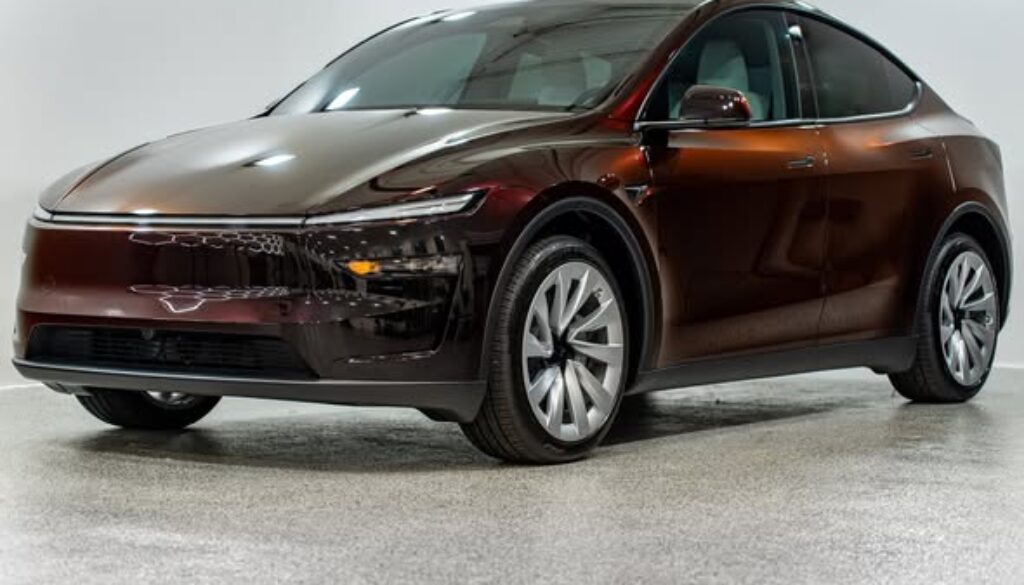
Tesla ownership comes with a window situation that most buyers do not think about until their first summer. The panoramic glass roofs on Model 3 and Model Y, the massive windshields on Model S and Model X, and the expansive glass surfaces across every Tesla model deliver an open, airy cabin experience that is genuinely one of the most appealing aspects of these vehicles. That same glass also delivers substantially more solar heat and UV exposure into the cabin than traditional vehicle rooflines provide. On a hot July afternoon in Rockville, a Tesla parked in direct sun heats up faster than almost any other vehicle type because of the sheer glass surface area involved.
Factory glass on Tesla vehicles includes some UV blocking built into the manufacturing process. What it does not include is meaningful infrared heat rejection, which is the wavelength responsible for most of the heat buildup inside a parked Tesla. Ceramic window tint addresses exactly this gap, delivering the infrared blocking and UV protection that Tesla’s factory glass leaves incomplete. This guide explains why ceramic window tinting Rockville, MD is the smart choice for every Tesla owner in the Maryland and DMV market, what the film specifically delivers for these vehicles, and how to choose the right VLT levels and installation approach. Capital Wrappers has been handling Tesla-specific ceramic window film installations in Rockville, MD since the early Model S days, and the recommendations here reflect years of hands-on experience with every Tesla model.
The Tesla Window Situation Most Owners Do Not Expect
The first summer of Tesla ownership is when most drivers realize their factory glass is not doing what they assumed it was doing. Getting back into a parked Model 3 or Model Y on a July afternoon in a Rockville parking lot delivers a cabin temperature that feels significantly hotter than other vehicles parked in the same conditions. This is not an exaggeration. The panoramic glass roof and large windshield on these models create solar heat gain conditions that traditional vehicles with smaller glass areas and opaque roof sections simply do not experience to the same degree.
Large Glass and UV Exposure in Tesla Vehicles
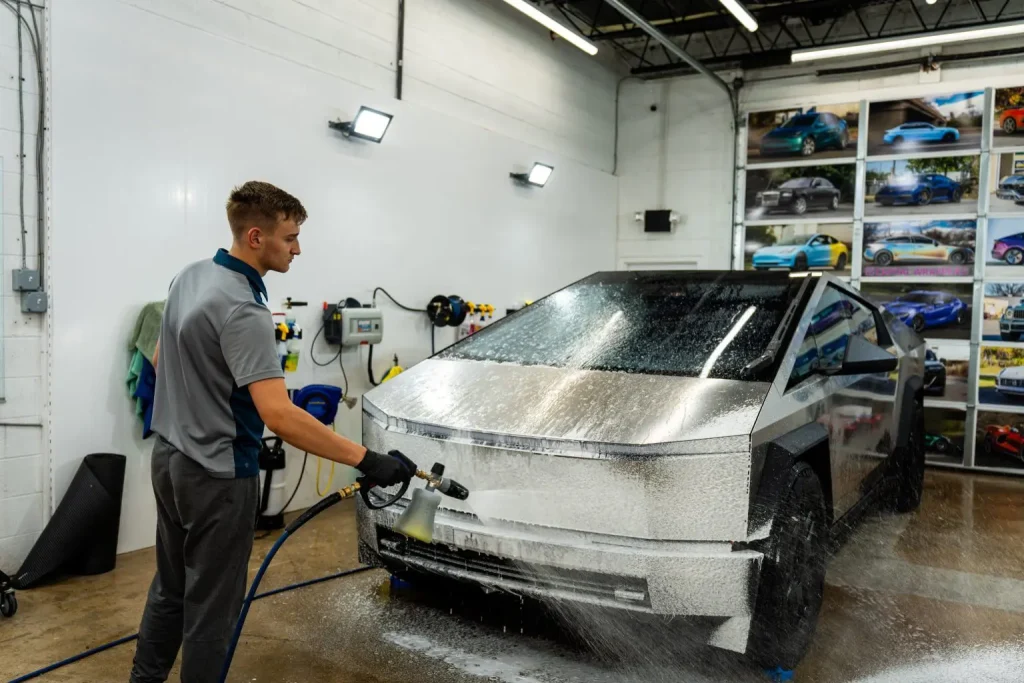
Every Tesla model is designed around a maximalist glass approach that prioritizes the open, connected feeling of an exposed cabin. The Model 3 glass roof spans the entire length of the passenger compartment. The Model Y panoramic roof covers both front and rear passengers fully. The Model S and Model X windshields extend far back toward the roofline compared to traditional sedans and SUVs. The Cybertruck features large glass surfaces across an otherwise stainless steel body. All of this glass means more solar energy entering the cabin per square foot of sunlight hitting the vehicle than any comparable traditional vehicle.
Why Tesla Glass Makes Cabin Heat a Bigger Challenge
The cabin heat issue in Tesla vehicles combines two factors that reinforce each other. More total glass area means more total solar energy entering the cabin. Less opaque roof coverage means less natural shade on rear passengers and cargo. The result is a greenhouse effect that builds faster and reaches higher peak temperatures than most drivers expect from a modern premium vehicle. Window tinting installer addresses this directly by blocking the infrared wavelengths that drive heat buildup before they enter the cabin through the glass.
What Tesla Factory Glass Actually Blocks and What It Does Not
Tesla’s factory glass includes a UV-blocking coating that handles a meaningful portion of the UV spectrum. This is why Tesla owners do not experience the extreme UV exposure you might expect from so much glass. What the factory glass does not include is meaningful infrared heat blocking. Infrared radiation is the primary driver of thermal buildup inside any enclosed space with glass surfaces. A UV-blocking glass coating that does not address infrared is like sunscreen that prevents sunburn but does nothing about the heat of the sun. Ceramic window tint fills this gap by blocking both UV and infrared simultaneously, addressing the thermal comfort problem the factory glass leaves unresolved.
What Ceramic Window Tint Does for a Tesla Specifically
Ceramic window tint delivers four distinct benefits for Tesla vehicles that address the specific challenges these models present.
Heat Rejection Through Tesla’s Panoramic Glass
Premium ceramic films reject up to 99 percent of infrared radiation, which is the wavelength responsible for the majority of cabin heat buildup. On a Tesla Model 3 or Model Y parked in direct sun in Rockville, MD during July, ceramic tint can reduce peak cabin temperatures by 15 to 25 degrees compared to the same vehicle with only factory glass. That temperature difference changes the experience of returning to a parked Tesla fundamentally. The cabin is manageable on entry. The HVAC system reaches comfortable temperature in minutes rather than spending the first portion of every drive cooling a heat-soaked interior. The pre-conditioning function that Tesla owners use through the app can achieve target temperature faster because ceramic tint reduced how far the cabin drifted from that target while the vehicle was parked.
UV Protection for Tesla Interiors and Occupants
Even with Tesla’s factory UV coating in the glass, ceramic window tint adds a second layer of UV blocking that covers the wavelengths the factory coating handles less efficiently and the total UV load that passes through multiple large glass panels simultaneously. Quality ceramic tint blocks up to 99 percent of UV radiation, which protects both the occupants inside the vehicle and the premium interior materials that Tesla uses across its model range.
How Ceramic Tint Protects Vegan Leather and Premium Surfaces
Tesla’s vegan leather upholstery and premium interior surfaces are genuinely vulnerable to UV degradation over years of exposure. The vegan leather develops surface cracking and fading patterns from sustained UV exposure that traditional leather also experiences, and in some cases the synthetic material is more sensitive to UV than genuine hide. The dashboard materials, door panels, and instrument cluster all face the same cumulative UV exposure. Ceramic window tint in Rockville, MD applied by a qualified installer provides the full-coverage UV protection that keeps Tesla interiors looking the way they did at delivery across years of Maryland and DMV driving conditions.
Why Ceramic Film Does Not Interfere With Tesla Technology
This is the consideration that matters most for Tesla owners specifically and the one that most clearly separates ceramic film from any metallic alternative.
Autopilot Cameras and Sensor Compatibility
Tesla vehicles are packed with cameras, ultrasonic sensors on older models, and radar units that are critical to Autopilot, Full Self-Driving, and the basic safety monitoring systems that every Tesla uses during every drive. Front bumper cameras, the front-facing windshield camera, the B-pillar cameras, and the rear camera all require clear, unobstructed signal transmission to function correctly. Ceramic window tint uses non-metallic particles that produce zero interference with any of these systems when the film is applied correctly and positioned away from camera lenses.
GPS Cell Signal and Toll Transponder Performance
Maryland drivers on I-270 and I-495 rely on E-ZPass toll transponders that require unobstructed radio signal transmission through the windshield. Navigation, phone calls, over-the-air software updates, and the various connectivity features that make Tesla ownership what it is all depend on cell signal and GPS that must pass through the vehicle’s glass. Ceramic film’s non-metallic construction eliminates the signal interference that metallic films cause, which is why ceramic window tint has become the universal recommendation for Tesla and EV owners across the DMV market.
Metallic Film vs Ceramic Film on Tesla Vehicles
Older metallic window films use conductive metallic particles that reflect heat effectively but interfere with electronic signals in the exact frequency ranges that GPS, cell, and toll systems use. A metallic film on a Tesla windshield or front windows can disrupt Autopilot camera calibration, reduce GPS signal strength, cause E-ZPass misreads, and interfere with the wireless charging pad if the metallic film creates signal reflection near the interior. None of these issues occur with ceramic film, which is why no qualified Tesla installer recommends metallic film for these vehicles under any circumstances.
Best VLT Percentages for Tesla Vehicles in Maryland
Maryland tint law applies to Tesla vehicles the same way it applies to all passenger vehicles. Front side windows must allow more than 35 percent VLT. Rear glass can be any VLT with dual mirrors present.
Front Side Windows and Maryland Tint Law
35 percent VLT ceramic film is the standard recommendation for front side windows on every Tesla model in Maryland. It complies with Maryland’s 35 percent minimum, delivers meaningful heat rejection from the side glass, and maintains comfortable visibility for the driver and front passenger through all driving conditions including highway merges, night driving, and the low-angle winter sun that creates glare on DMV commuting routes.
Rear Side Windows and the Glass Roof
For rear side windows, Maryland allows any VLT, and most Tesla owners choose 20 percent VLT ceramic to balance strong privacy with reasonable visibility for rear passengers. The glass roof presents a specific consideration. Tesla’s glass roofs are not side windows and are not covered by Maryland’s standard window tint regulations in the same way. Roof glass treatment is a specialized application that requires specific ceramic products and installation expertise to achieve a result that improves thermal performance without creating visible film imperfections across a large overhead glass surface.
The Best Ceramic Film Options for Tesla Owners
Not every ceramic film delivers equal performance on Tesla vehicles. The specific application challenges of panoramic roofs, large windshields, and camera-adjacent glass require film products and installation expertise that not every shop carries.
SunTek Ceramic Film for Tesla Applications
Capital Wrappers is an authorized SunTek dealer, and SunTek’s ceramic window film line is the primary recommendation for Tesla installations at the shop. SunTek ceramic film delivers up to 99 percent UV blocking, high infrared rejection across the full visible and near-infrared spectrum, zero metallic content for complete signal compatibility, and a lifetime warranty that covers bubbling, peeling, delamination, and color change for the life of the vehicle ownership. The product is manufactured to consistent specifications that perform reliably on Tesla’s specific glass formulations, including the panoramic roof glass on Model 3 and Model Y.
Why Authorized Dealers Matter for Tesla Tint
SunTek film purchased through unauthorized distributors may be stored or handled in ways that compromise the adhesive chemistry before it reaches the vehicle. Authorized dealers receive product through controlled distribution channels that maintain film quality from manufacturing through installation. For Tesla owners who are making a significant investment in a ceramic tint installation, working with a SunTek authorized dealer like Capital Wrappers ensures the product performs the way its specifications promise rather than arriving already compromised before it touches the glass.
Model-Specific Tinting Considerations
Each Tesla model presents specific installation considerations that experienced Tesla tint installers account for before cutting any film.
Tesla Model 3 and Model Y
Model 3 and Model Y are the highest-volume Tesla models in the Rockville and DMV area. Both feature a panoramic glass roof that spans the full length of the passenger compartment. The rear glass on both models has a distinctive curved shape that requires precise film cutting and application to achieve clean edges without lifting or distortion. The rear camera position on Model 3 requires careful film placement to avoid any coverage that could affect image quality. Model Y shares the same basic glass architecture with some dimensional differences that require model-specific templates for a precise fit.
Tesla Model S and Model X
Model S features a large windshield that extends significantly further back toward the roofline than standard sedans. This extended windshield creates more total glass area at the front of the vehicle that contributes to heat gain, making front windshield treatment more important on this model than on traditional sedans. Model X’s falcon wing doors and multiple rear passenger glass panels require specific installation sequencing and template cuts that differ substantially from standard SUV door configurations. Both models carry premium interior materials that benefit significantly from ceramic UV protection across their larger total glass surface areas.
Tesla Cybertruck
Cybertruck presents the most unique installation context of any Tesla model. The stainless steel exoskeleton and angular geometry create film application challenges that require specific experience. The glass surfaces on Cybertruck are smaller and more sharply angled than on other Tesla models, which affects both the film cutting approach and the edge treatment required for a clean finish. Capital Wrappers has worked with Cybertruck specifically and approaches each installation with the model-specific knowledge this platform requires.
What Professional Tesla Tint Installation Looks Like
Professional Tesla window tint installation follows the same fundamental process as any professional tint installation but with additional attention to the Tesla-specific considerations that affect camera placement, roof glass handling, and model-specific cutting patterns.
The process begins with a thorough cleaning of all glass surfaces to remove contamination that could interfere with adhesion. The film is then cut from computer-aided templates specific to the Tesla model and year, which ensures precise fit on all curved surfaces including the distinctive rear glass shapes of Model 3 and Model Y. Each piece is applied using a slip solution and carefully squeegeed to remove air and moisture from beneath the film. Camera positions are confirmed and avoided during application. After installation, the film requires 48 to 72 hours of curing with windows up before the adhesive fully bonds.
Common Mistakes Tesla Owners Make With Window Tint
Choosing any metallic film for any window. This mistake directly affects Tesla technology function. Metallic film on a Tesla front window or windshield interferes with Autopilot cameras, GPS, and toll transponders in ways that are immediately noticeable and potentially safety-relevant. Ceramic film is the only appropriate choice for any Tesla window.
Skipping the glass roof treatment. Many Tesla owners tint the side windows and skip the panoramic roof because it feels like a complicated add-on. The roof glass on Model 3 and Model Y contributes a significant portion of the total solar heat load that enters the cabin. Skipping it leaves the most heat-intensive glass surface untreated while the side windows are protected. A qualified installer of ceramic window tint in Rockville, MD will recommend appropriate roof glass treatment as part of a complete Tesla tint package.
Using a shop without Tesla-specific experience. Generic tint shops that handle Tesla vehicles occasionally lack the model-specific templates, camera-position knowledge, and roof glass experience that Tesla installations require. The difference between a flawless Tesla tint job and one with bubbles, lifting edges, or camera interference shows up immediately and affects every day you drive the vehicle.
Waiting until the Tesla overheats the first summer. The ideal time to install window tint on a new Tesla is within the first month of ownership, before the first summer. Installing ceramic tint at delivery protects the interior from the first day of UV exposure rather than allowing months of UV damage to accumulate before protection goes on.
Conclusion
Ceramic window tint is the smart choice for Tesla owners because it addresses the specific thermal and UV challenges that Tesla’s maximalist glass design creates, without compromising any of the technology that makes Tesla ownership what it is. The heat rejection through panoramic glass makes summer afternoons dramatically more comfortable. The UV protection preserves the premium vegan leather and interior surfaces that Tesla interiors are built from. The zero signal interference of ceramic film means Autopilot cameras, GPS, E-ZPass, and every other electronic system in the vehicle works exactly as designed.
For Tesla owners in the Rockville, MD area and across the DMV, Capital Wrappers brings SunTek ceramic film expertise, model-specific installation templates, and the hands-on Tesla experience that these vehicles specifically require. Ceramic window tint on a Tesla is not a cosmetic luxury. It is the practical upgrade that makes the vehicle more comfortable, better preserved, and more fully functional across every season of Maryland driving.
Ready to Protect Your Tesla the Way It Was Designed to Be Driven?
Panoramic roof. Large windshield. Premium interior. All of it benefits from Tesla ceramic window tint installed by someone who has worked on your specific Tesla model before. Capital Wrappers in Rockville, MD uses SunTek ceramic film for all Tesla installations, handles every model from Model 3 to Cybertruck, and provides a written quote that covers VLT options, warranty terms, and model-specific installation details before any work begins. Stop by the shop to compare ceramic film samples, discuss your Tesla model’s specific glass layout, and get straight answers on what the right package looks like for your vehicle.
Frequently Asked Questions
Does window tint affect Tesla’s solar charging or energy efficiency?
Tesla’s solar glass roof on certain models captures a small amount of solar energy for supplemental charging. Standard ceramic window tint applied to side and rear windows does not affect this system. For the glass roof specifically, the film choice and VLT level affect how much solar energy passes through to the solar cells. A qualified installer familiar with Tesla specifications can advise on appropriate roof glass treatment that improves thermal comfort without meaningfully reducing solar input.
Can I tint the Tesla glass roof and does it void the warranty?
Glass roof tinting is a specialized application that requires ceramic film products compatible with Tesla’s specific roof glass composition. Properly installed ceramic film from a quality manufacturer does not chemically react with or damage the glass. Tesla’s vehicle warranty covers factory defects rather than aftermarket modifications, so adding window tint generally does not affect warranty coverage for unrelated vehicle systems. Confirming current Tesla warranty language with a Tesla service center before installation is always recommended.
How does ceramic tint affect Tesla’s pre-conditioning function?
Tesla’s pre-conditioning feature allows drivers to cool or heat the cabin remotely before entering the vehicle. Ceramic tint reduces the peak temperature the cabin reaches during parking, which means pre-conditioning achieves target temperature faster and with less energy use. This is a genuine energy efficiency benefit, particularly relevant for Tesla owners who park outdoors during Maryland summers and use pre-conditioning regularly.
What VLT percentage is most popular for Tesla Model 3 owners in Maryland?
The most popular combination for Tesla Model 3 in Maryland is 35 percent VLT ceramic on the front side windows, which meets the legal minimum, and 20 percent VLT ceramic on the rear side windows and back glass. This combination provides strong privacy for rear passengers, meaningful heat rejection across all windows, and full compliance with Maryland’s tint regulations. The glass roof is often treated with a lighter VLT, typically 50 to 70 percent, to reduce heat gain while maintaining the open visual quality that makes the panoramic roof appealing.
Does ceramic tint help with the glare issue Tesla owners experience through the large windshield?
Yes. A ceramic visor strip across the top five inches of the windshield, which Maryland law permits, addresses the direct sun glare that Tesla’s extended windshield creates during low-angle morning and evening sun conditions. Maryland commuters on I-270 and I-495 during winter months experience particularly intense glare from low sun angles that a properly placed visor strip reduces significantly without affecting the primary visual field below it.