D.C’s Window Tint LawsDC Window Tint Laws: Legal Tint Percentages, Rules & FinesD.C’s Window Tint Laws
A DC window tint law citation starts at $50. It can climb to $1,000 if you don’t fix the film within five business days. Most drivers who get stopped never meant to break the rule. They just installed tint without checking the real percentages first. Capital Wrappers fits window film for DMV drivers every week. This guide breaks down exactly what District law allows before a single sheet of vinyl goes on the glass.
What Are DC’s Legal Window Tint Percentages?
DC regulates tint by visible light transmission, or VLT. It’s the percentage of light a window lets through. The lower the number, the darker the glass looks from outside.
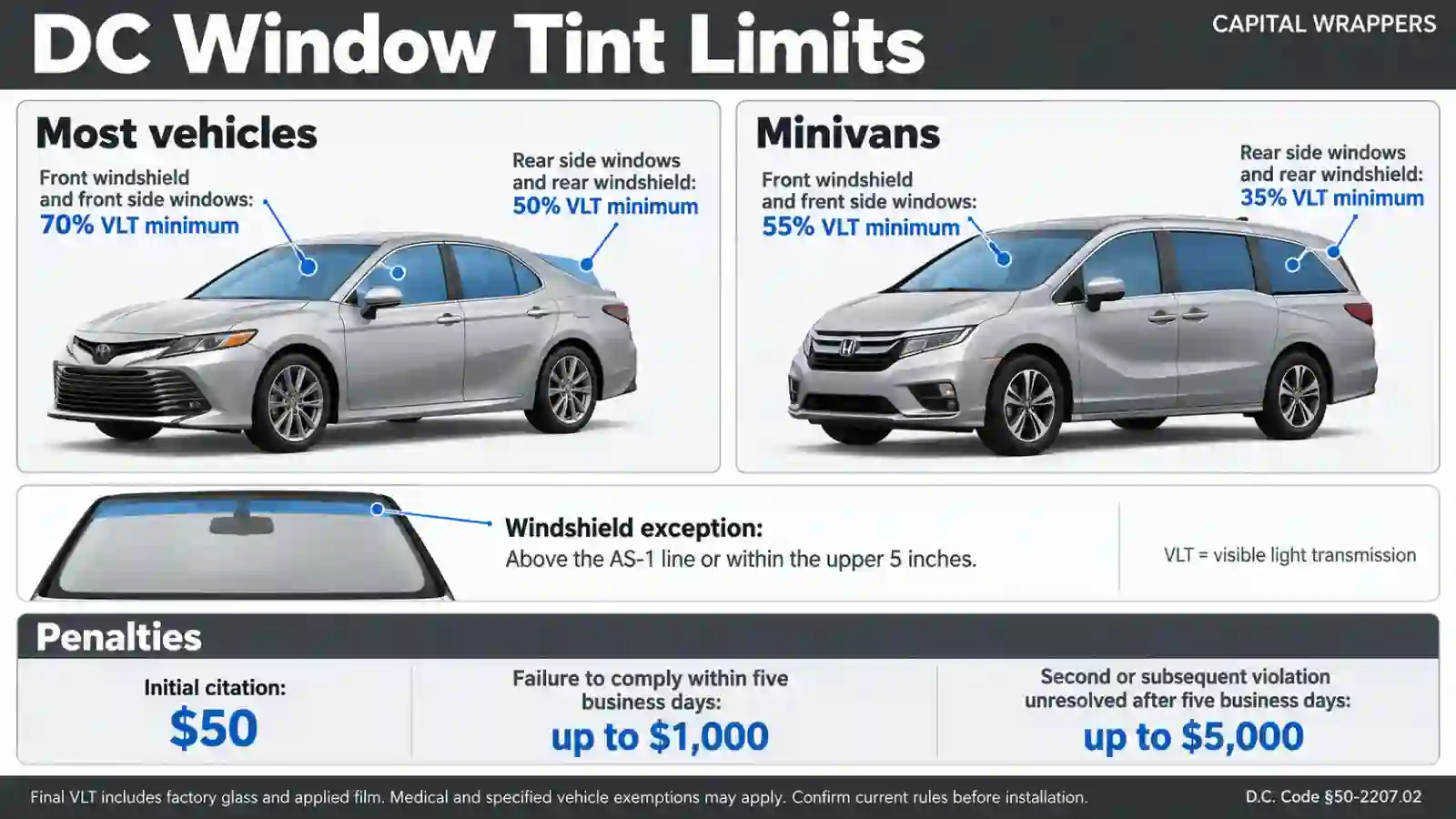
Under D.C. Code § 50-2207.02, standard passenger vehicles need at least 70% VLT on front windows and 50% VLT in back. Minivans get looser limits: 55% VLT on the front and 35% on the rear. The table below breaks down every window position by vehicle class.
| Vehicle Type | Front Side Windows | Rear Side Windows | Rear Window |
|---|---|---|---|
| Sedans, coupes, standard SUVs | 70% VLT minimum | 50% VLT minimum | 50% VLT minimum |
| Mini-vans | 55% VLT minimum | 35% VLT minimum | 35% VLT minimum |
DC’s statute does not carve out a separate rear-window exemption for SUVs or pickup trucks, unlike several neighboring states. Unless a vehicle is built as a true mini-van, it follows the standard 70/50 limits on every window. The final VLT reading combines factory glass and aftermarket film, so a meter check matters more than the film’s label.
Can You Tint Your Windshield in DC?
Yes, but only along the very top edge. DC law permits non-reflective tint above the AS-1 line, within the top 5 inches of the glass, whichever is smaller. Below that strip, the windshield has to stay clear of aftermarket film.
The AS-1 line is a small mark etched into the edge of the glass by the manufacturer. It shows where the factory shade band already begins. Capital Wrappers measures from that mark, not the dashboard, since the legal strip height varies by vehicle model.
This narrow allowance exists to cut glare without blocking a driver’s forward view. It matters most for commuters facing low afternoon sun on corridors like the 14th Street Bridge or the Southwest Freeway. A properly measured top strip cuts that glare and still passes a roadside check.
Are There Tint Reflectivity or Color Restrictions in DC?
DC’s tint statute is narrower than many drivers expect. D.C. Code § 50-2207.02 sets VLT darkness limits, not reflectivity or color restrictions. Several neighboring jurisdictions publish exact reflectivity percentages, and that’s likely where the confusion about a “DC limit” comes from.
A shop that knows the difference steers customers away from high-mirror or chrome-style finishes. A silver or gold mirrored look draws attention at a stop, or gets flagged if it blocks the driver’s view. Modern non-reflective black film avoids that risk entirely.
In practice, non-reflective black film at a legal VLT percentage is the safest choice for compliance and resale value. Novelty colors and heavily reflective finishes carry more risk with less legal clarity behind them.
Who Is Exempt From DC’s Window Tint Law?
A handful of vehicle categories fall outside the standard VLT limits entirely. D.C. Code § 50-2207.02 exempts limousines, ambulances, buses, hearses, church-owned vehicles, and government vehicles. None of them follow the darkness restrictions that apply to personal cars.
Manufacturer-installed factory tint is also exempt, since it ships already certified from the factory. That’s why a limo can run noticeably darker rear glass than a personal sedan without breaking DC law. It operates under a separate commercial exemption, not a special aftermarket percentage a private owner can also claim.
These exemptions attach to the vehicle’s registration and use, not to the owner personally. A driver who buys a used limousine for personal use loses that exemption once re-registered as a private car. Capital Wrappers gets regular questions from limousine and fleet operators about where that exemption list starts and stops.
How Do You Get a Medical Exemption for Darker Tint in DC?
DC’s DMV Director can approve a medical exemption for drivers or household members. It applies to anyone who needs protection from sunlight or bright light due to a documented condition. The process runs in a specific order, and skipping a step usually means redoing the paperwork.
- Get a signed letter on letterhead from a physician, physician assistant, ophthalmologist, or optometrist.
- Submit that documentation directly to DC DMV for review.
- Wait for written approval from the DMV Director before scheduling an install.
- Bring the approved paperwork to the tint appointment so the shop can match the film to the approved terms.
That documentation needs to be on file with DC DMV before darker film goes on the glass, not after. DC DMV does not publish one fixed replacement percentage for every exemption holder. An experienced installer confirms the approved terms against each customer’s DMV paperwork before choosing a film.
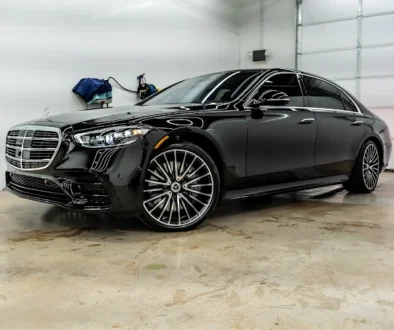
2 Front Windows
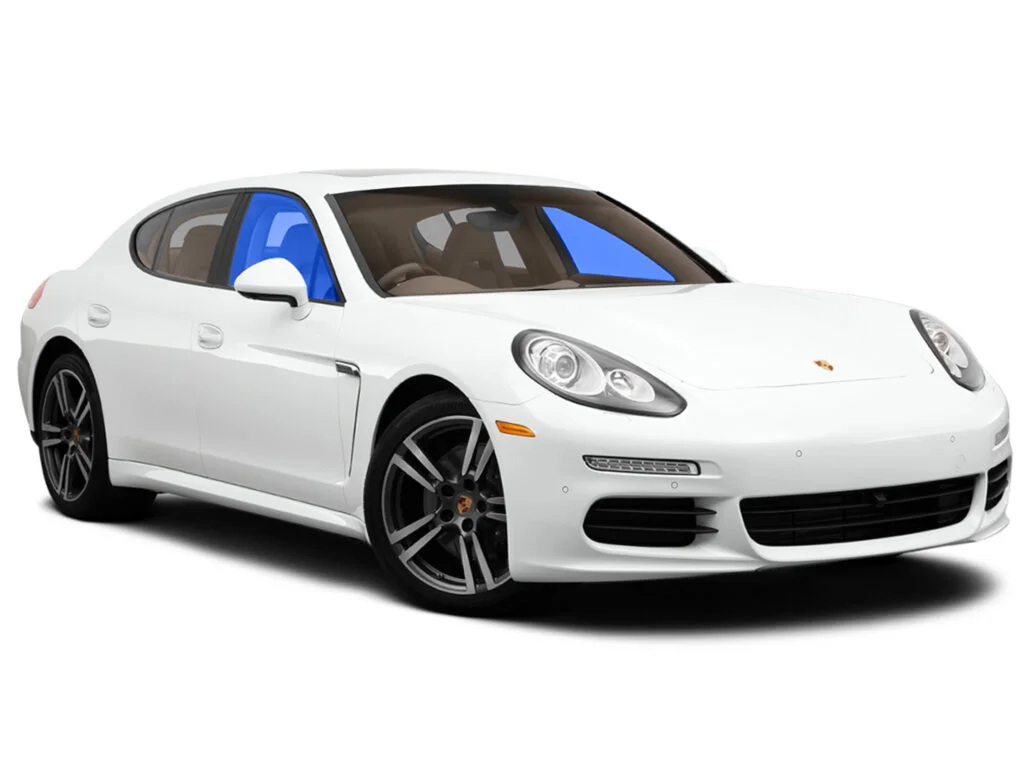
Front Windows Tinted – D.C. Window Tint Laws Compliance
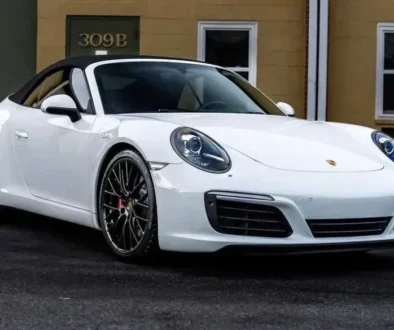
Side & Back
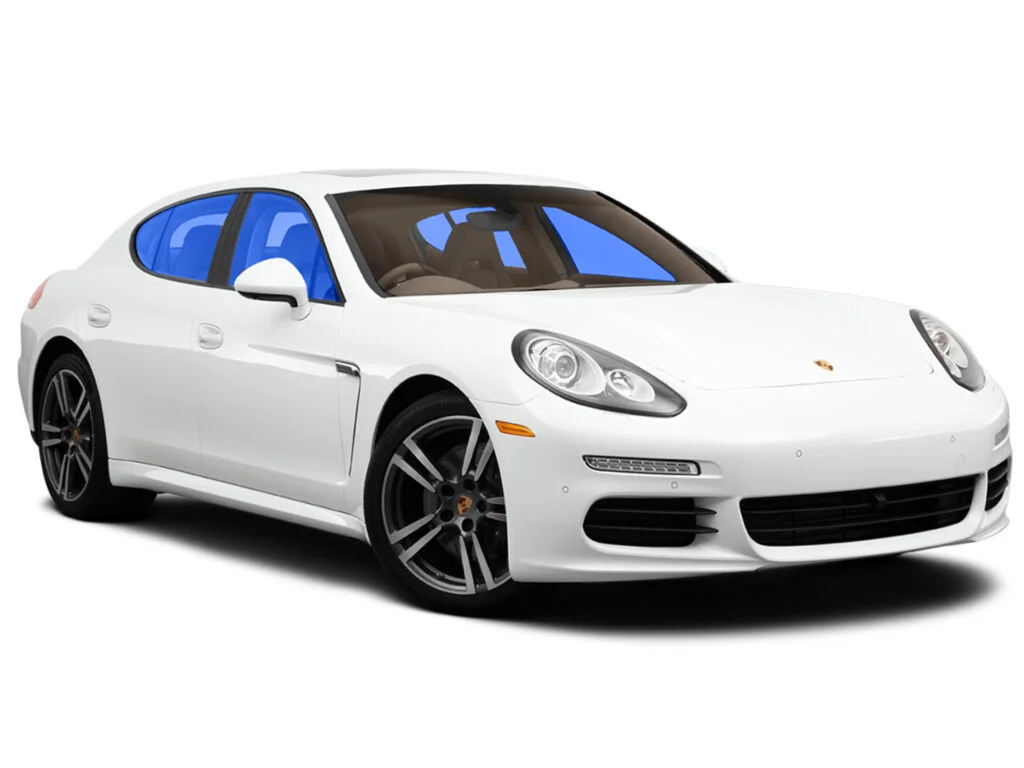
Side and Back Windows Tinted – D.C. Tint Laws Compliance
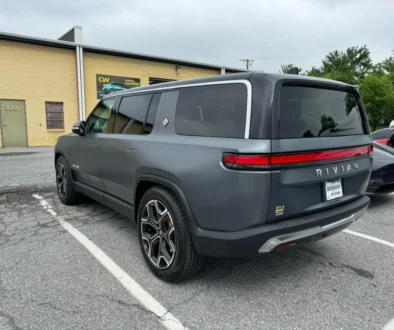
Windshield

Windshield Tinted – D.C. Window Tint Laws Compliance
Full Car
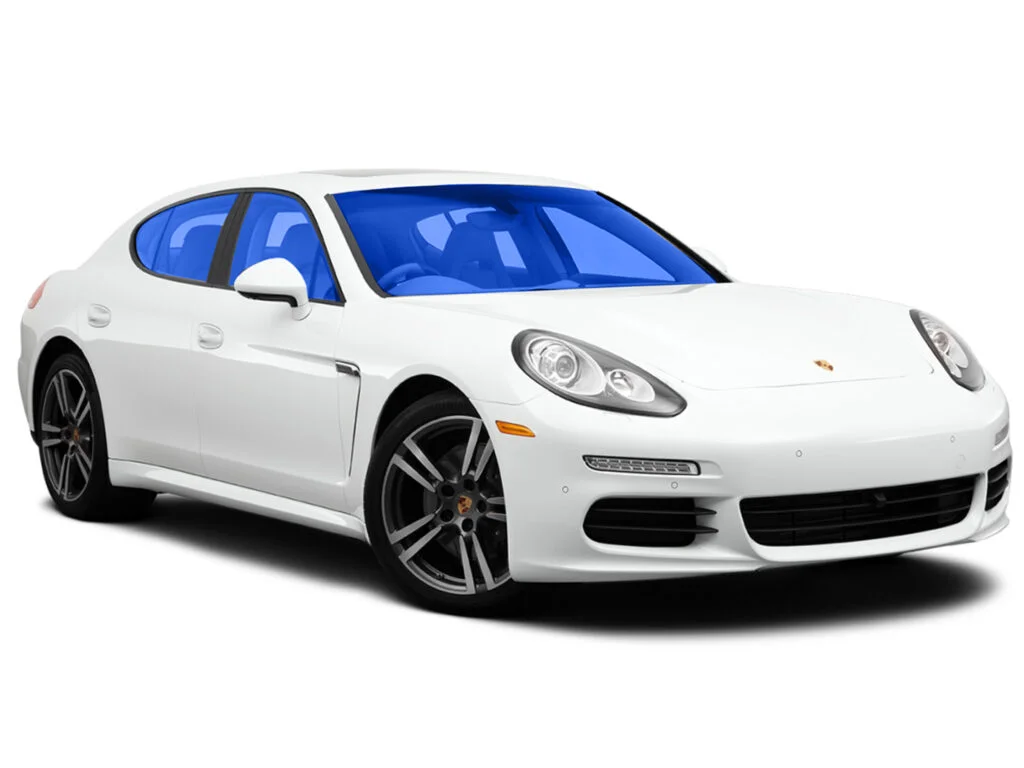
Full Car Window Tinting – D.C. Tint Laws Compliance
Not sure which window tint suits your vehicle? Capital Wrappers helps you explore film options for your daily drive around DC and Rockville. Talk to our team about your comfort, style and visibility goals, and request your window tinting quote today.
What Happens If Your Tint Isn’t Legal in DC?
Penalties escalate quickly, and they start well before a driver expects one. A first citation is $50, climbing to $1,000 if the tint isn’t corrected within 5 business days. Repeat or continued non-compliance can reach $5,000, with registration suspension possible.
Most citations start with a routine traffic stop, not a dedicated tint patrol. An officer who pulls a car over for an unrelated reason can still flag tint that looks too dark. A single failed check costs far more than most professional installs.
Checking current window tint pricing before booking makes that comparison easy. A correctly measured install almost always beats the cost of a citation that escalates over a few months.
How to Make Sure Your Tint Stays Legal in DC
Getting DC tint right the first time comes down to three habits. Each one takes only a few minutes. Skipping any of them is how drivers end up back at the shop after a citation.
Ask for a Meter Reading at Install
A tint meter reading at install is the only real way to confirm compliance. Factory glass tint and aftermarket film combine to produce the final VLT number, not the film’s label alone. An experienced shop tests that combined reading before the customer drives off, not after a citation forces the issue.
Keep Compliance Paperwork in the Car
A qualified installer offering professional window tinting documents that VLT reading in writing. That paperwork protects drivers during a traffic stop. Keeping it in the glovebox gives an officer an immediate reference instead of a guess.
Recheck Older Tint Before Moving to DC
Film installed in a state with looser limits can be too dark for DC streets. Drivers relocating into the District should have a shop re-check their tint with a meter. The same applies to daily commuters from Maryland or Virginia.
DC vs. Maryland Window Tint Laws: What’s Different?
DC and Maryland regulate tint differently, which matters for anyone who splits driving time between Rockville and the District. DC sets front windows at 70% VLT for standard vehicles. Maryland allows front windows as dark as 35% VLT on every vehicle type, nearly twice as dark.
|
Rule |
Washington, DC |
Maryland |
|
Front side windows |
70% VLT (55% for mini-vans) |
35% VLT minimum |
|
Rear side and rear windows |
50% VLT (35% for mini-vans) |
35% VLT for cars; SUVs/vans/trucks may run darker |
|
Windshield |
Top 5 inches or above AS-1 line only |
Top 5 inches or above AS-1 line only |
|
Numeric reflectivity limit |
Not specified in statute |
Mirrored or one-way finishes prohibited |
A vehicle tinted to DC’s legal limit is automatically compliant in Maryland too, since Maryland allows darker film. The reverse isn’t true, since film legal in Maryland can be too dark for DC streets. Rockville and Montgomery County drivers can review Maryland’s window tint laws for the full breakdown.
Where DC’s Tint Rules Actually Come From
Every percentage and penalty in this guide traces back to one statute. D.C. Code § 50-2207.02 governs tinted windows in the District, and it’s worth reading directly. Several tint-law directories online still repeat outdated rules, like a separate SUV exemption or a numeric reflectivity cap.
When a shop or article cites a specific percentage, it’s fair to ask where that number comes from. DC’s own code is the most reliable place to check it before booking an install or contesting a citation.
Conclusion
DC’s window tint law is more specific than most drivers assume. Standard vehicles need 70% VLT up front, 50% in back, and only a top-5-inch windshield strip. Fines start at $50, mini-vans get slightly darker limits, and a documented medical condition can unlock an exception.
Getting those numbers right before installation makes the difference between a clean inspection and a repeat trip to the shop. Capital Wrappers fits tint film to the exact percentage each customer needs. That applies to a DC commuter car or a Rockville daily driver.
Ready to upgrade your daily drive? Contact Capital Wrappers in Rockville to discuss window tint options for your car, truck or SUV. Get help choosing a film that fits your needs and preferences, then book your professional window tinting appointment.
Frequently Asked Questions
What is the darkest legal tint percentage allowed in DC?
Standard vehicles need at least 70% VLT on front windows, and 50% VLT in back, under D.C. Code § 50-2207.02. Minivans can go slightly darker: 55% front and 35% rear. No other vehicle class gets that lower allowance without an approved exemption already on file with DC DMV.
Can you legally tint your front windshield in DC?
Only along the top edge. DC allows non-reflective tint above the AS-1 line or within the top 5 inches of glass, whichever is smaller. Anything below that strip must stay clear, since covering the main windshield is not permitted under DC’s tint law. It cuts glare without blocking your view.
Is reflective or mirrored window tint legal in DC?
DC’s statute sets VLT darkness limits but does not list a numeric reflectivity cap, unlike some neighboring states. Highly mirrored finishes still carry practical risk if they obstruct a driver’s view. Non-reflective black film at a legal VLT percentage remains the safer choice for most DC drivers.
How do you qualify for a medical window tint exemption in DC?
DC DMV’s Director can approve darker tint with a signed letter from a physician, physician assistant, ophthalmologist, or optometrist. That documentation must reach DC DMV and receive approval before darker film goes on the vehicle. DC DMV does not publish one fixed percentage for every exemption.
How much is a ticket for illegal window tint in DC?
A first citation is $50. Tint left uncorrected within 5 business days can raise that fine to $1,000, and continued non-compliance can reach $5,000. DC can also suspend a vehicle’s registration if the notice is ignored. Most citations start during a routine traffic stop, not a dedicated tint patrol.
Are SUV and truck tint laws different from car tint laws in DC?
Not under DC’s current statute. Standard SUVs and trucks follow the same 70% front and 50% rear limits as sedans and coupes. Only true mini-vans get the looser 55% front and 35% rear allowance under D.C. Code § 50-2207.02. That surprises many larger-vehicle owners across the DMV area.