
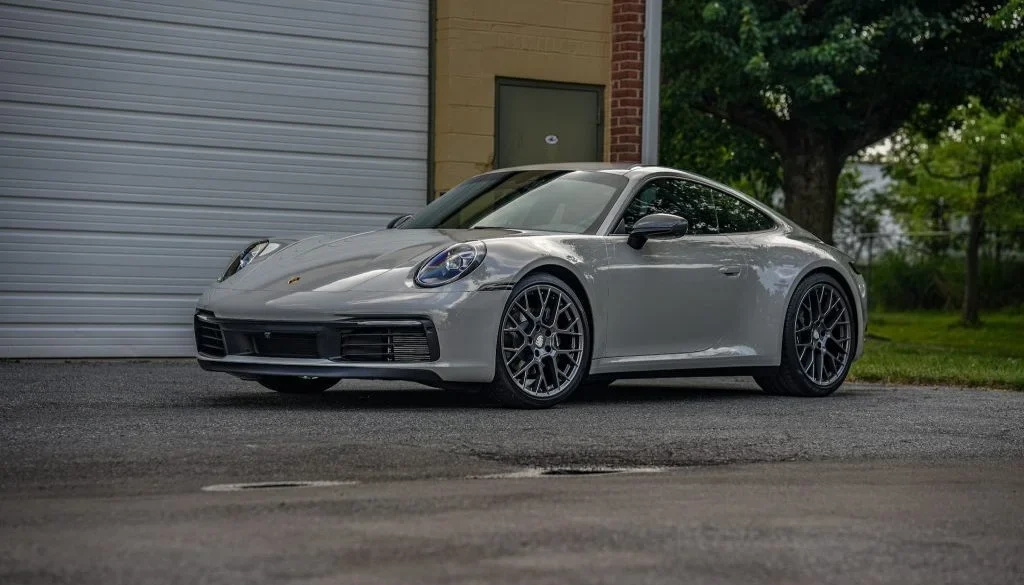
Paint Protection Film (PPF) Cost Guide
So How Much Does Paint Protection Film (PPF) Cost?
Professional paint protection film installation generally costs $900 to $9,000 or more in 2026. Coverage area creates the largest difference. Vehicle size, body shape, paint condition, film choice, and installation detail also affect the final quote.
A partial-front package commonly costs $900 to $1,500. Full-front coverage usually runs $1,800 to $3,000. Track packages often range from $2,500 to $4,000. Full-body PPF commonly costs $5,500 to $9,000 or more.
These figures are planning ranges, not fixed prices. Large SUVs, trucks, exotics, matte finishes, and complex body panels can cost more. A compact car with clean paint may fall closer to the lower end.
The PPF wrap cost also depends on what each package includes. One shop may include headlights and mirror caps. Another may price those panels separately. Compare the panel list, film product, preparation, edge work, and warranty before comparing totals.
Capital Wrappers bases each estimate on the vehicle and selected coverage. Drivers can review available paint protection film in Rockville, MD before requesting vehicle-specific pricing.
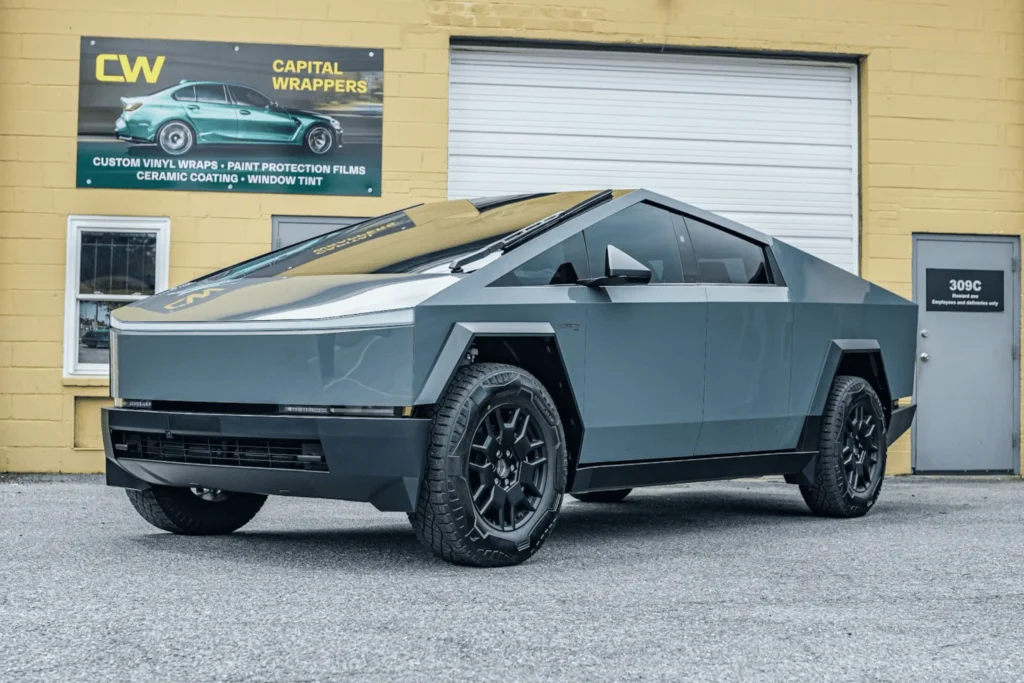
Introduction to Paint Protection Film (PPF)
Paint Protection Film, often abbreviated as PPF, is a clear, robust layer designed to safeguard your car’s paint from the everyday wear and tear of driving. Acting as an invisible shield, PPF protects against:
- Scratches and Scrapes: Guard against sharp objects like keys or road debris.
- Rock Chips: Reduce damage from small rocks and pebbles flung up by other vehicles.
- UV Damage: Prevent fading and oxidation of car paint due to sun exposure.
The film’s self-healing properties also allow it to repair minor scratches and swirls with just the heat from the sun or your engine. This functionality not only maintains the aesthetics but also preserves the vehicle’s resale value by keeping the exterior in excellent condition.
Different PPF Packages and Their Prices
Coverage determines most of the installed price. Package names are not fully standardized across the industry. The written quote should list every covered panel.
Capital Wrappers offers coverage based on the vehicle, driving habits, and desired finish. The following ranges provide a realistic 2026 budgeting guide.
|
Coverage level |
Commonly covered areas |
Typical installed range |
|
Partial front |
Front bumper, partial hood, partial fenders, mirrors |
900–1,500 |
|
Full front |
Front bumper, full hood, full fenders, mirrors, often headlights |
1,800–3,000 |
|
Track package |
Full front, rocker panels, A-pillars, other impact zones |
2,500–4,000 |
|
Full vehicle |
All exterior painted body panels |
5,500–9,000+ |
Prices can move outside these ranges. Film selection, vehicle size, paint preparation, panel complexity, and edge access may change the total.
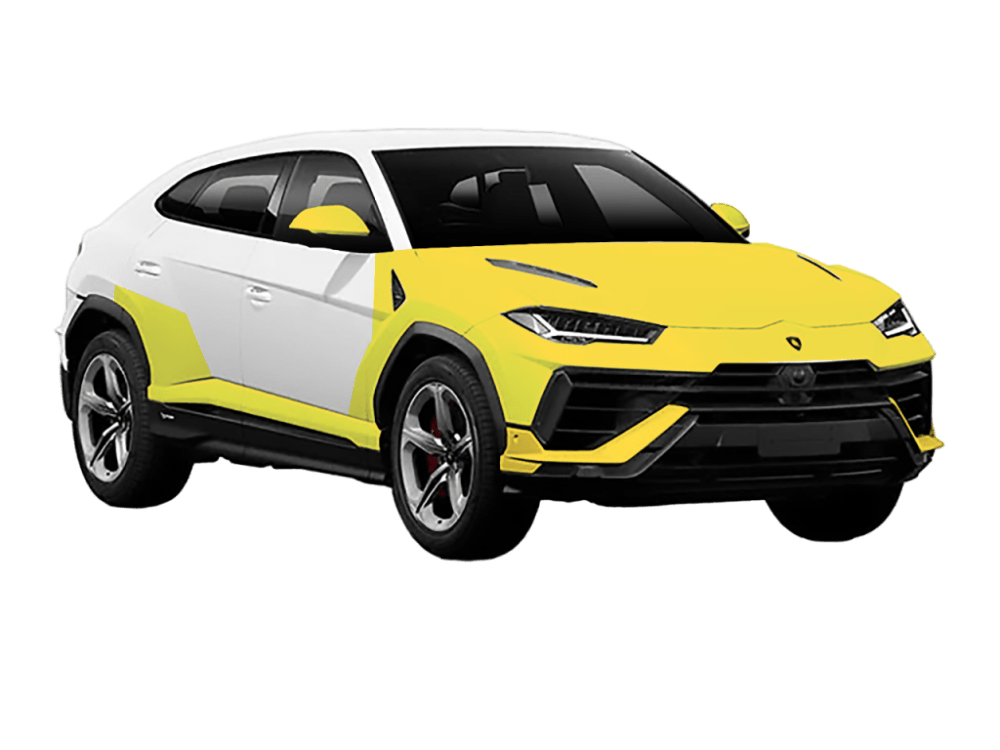
Partial Front:
Partial-front PPF covers the bumper, mirror caps, and leading hood and fender sections. It typically costs $900 to $1,500, while bumper-only coverage may cost $500 to $1,000. It suits smaller budgets but may leave a visible film line that collects dirt or wax. Confirm line depth.

Full Front:
Full-front PPF covers the full hood, front fenders, bumper, mirror caps, and headlights. It typically costs $1,800 to $3,000, with complex grilles, sensors, vents, and trim raising labor. Confirm if A-pillars, roof edges, rocker panels, or door cups cost extra in the final quote.

Track Package:
A track package adds rocker panels, A-pillars, lower doors, roof edges, or rear-wheel impact areas to full-front coverage. Pricing usually ranges from $2,500 to $4,000. It suits highway or performance driving, but the quote should identify every included panel and add-on clearly.
Full Vehicle Protection:
Full-vehicle PPF covers every exterior painted panel and typically costs $5,500 to $9,000 or more. Specialty finishes, large vehicles, and complex bodies raise pricing. Confirm edge coverage, trim, badges, lights, roof panels, and full prep because film cannot hide damaged paint.
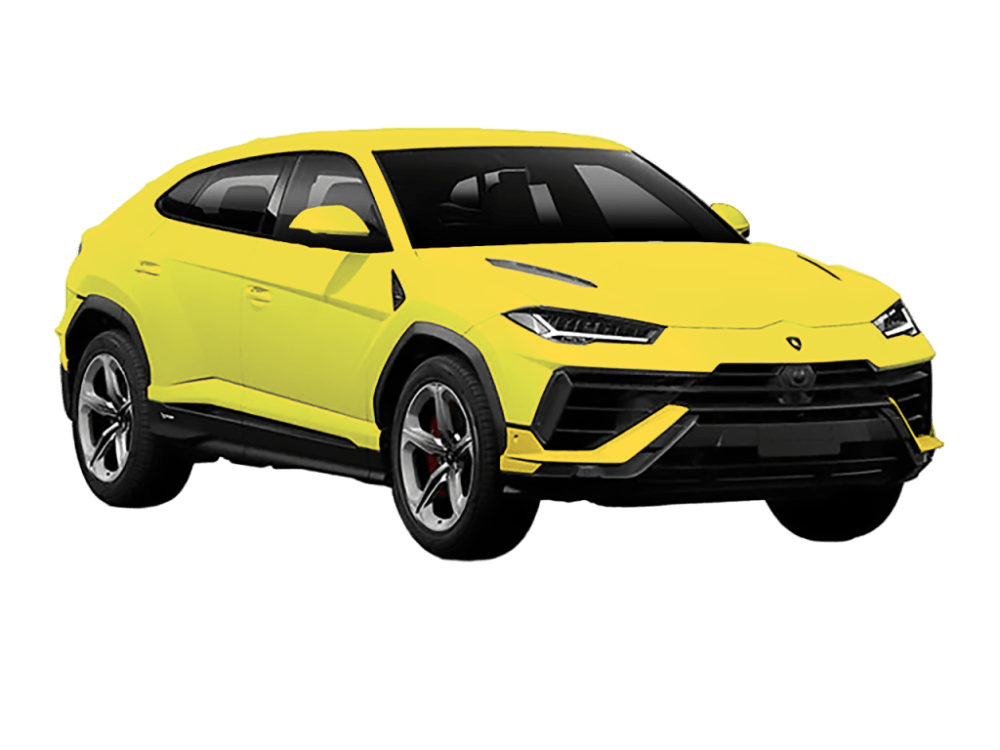
Just to recap, here are the differnet buckets of protection and their prices.
|
Coverage Level |
Part of Vehicle Covered |
Price Range |
|
Basic |
Partial front end |
$600 – $1,200 |
|
Standard |
Full front end |
$1,500 – $3,000 |
|
Premium |
Entire vehicle |
$5,500 – $8,000+ |
Understanding these pricing tiers helps you decide how much protection your vehicle needs versus how much you are willing to invest. Each level offers different benefits, fitting a range of budgets and protection requirements. For example, you might want to protect your car from door scuffs from other cars, which means the full car ppf package will suit you.
As we continue, we’ll explore other factors that influence these costs.
Other Factors Affecting the Cost of PPF
These include the type of vehicle, the type of film, the experience of the installer, and the complexity of the installation.
Size and Type of Vehicle
The size and design of your vehicle significantly influence PPF costs. Smaller cars generally cost less to cover because they require less material. On the other hand, larger vehicles, such as SUVs or trucks, need more PPF material, which increases the overall price.
Even if both vehicles are sedans, the price can vary. For example, ppf on a Mercedes S580 will cost more than a Tesla Model 3 because it is a much longer vehicle.
- Conclusion: Bigger and more complex vehicles cost more to cover due to higher material use and labour.
Type of Film Used
Nowadays, most PPF manufacturers are comparable in their film quality, like Suntek, XPEL, and others. Which means that most films will cost generally the same price.
However, there are still films out there that are super cheap. Some shops might opt for them so that they can increase their profit margins. This is why it is super important to do research on the type of film an installer uses.
If it is a film that is relatively popular, you can expect a good job. But if it a film that is brand new on the market or not super popular, I would stay away.
There are some films that offer the benefits of ceramic coating as well. These are called ceramic-infused paint protection films. They will give you the hydrophobic properties of a ceramic coating which leads to easier maintenance. Most manufacturers offer this film, and they are more expensive than regular films.
- Conclusion: Choosing the best PPF film like ceramic-infused films from reputable brands, will increase the investment
Experience of the Installer
The skill level of the PPF installer plays a crucial role in the overall cost. Don’t get fooled by shops charging cheap prices who have only been installing PPF for a few months.
Experienced installers typically charge more because they can provide better installations that are less likely to need rework. Since they have been installing for so long, the chances that they have worked on your exact vehicle is very high.
A better installation means the installer will wrap the edges so the film is completely invisible. It also means that the PPF will last longer, and you will end up saving money since a subpar installation might lead to a redo.
- Conclusion: Experienced shops/installers will cost more but will lead to better, longer-lasting PPF applications, saving money on potential future corrections.
Geographical Location
The location where you get the PPF installed can also affect the cost. Installation prices can vary significantly between different regions and even within cities based on local economic factors, the cost of living, and the competitive landscape among local shops.
- Conclusion: Installation in high-cost areas or where fewer service providers are available might increase the price due to higher operational costs and less competition.
Vehicle Condition
The current condition of your vehicle impacts the preparation work needed before applying PPF. Older vehicles or those with damaged paint may require extensive prep work such as cleaning, decontamination, and possibly minor paint corrections, which can add to the overall cost.
- Conclusion: Ensuring your vehicle is in good condition before applying PPF can minimize prep work and associated costs.
Complexity of Installation
The design and shape of your vehicle can also impact the cost of PPF installation. Complex curves, sharp angles, and intricate details require more time and skill to cover effectively, which can increase labor costs. For example, sports cars with aggressive designs might need more detailed work compared to a standard sedan.
This is why the investment required to protect Teslas are less than other vehicles – it’s because the surfaces are much smoother so the installation process is much easier.
- Conclusion: The more complex the bumps and grooves on your vehicle are, the bigger the investment you will need to protect it
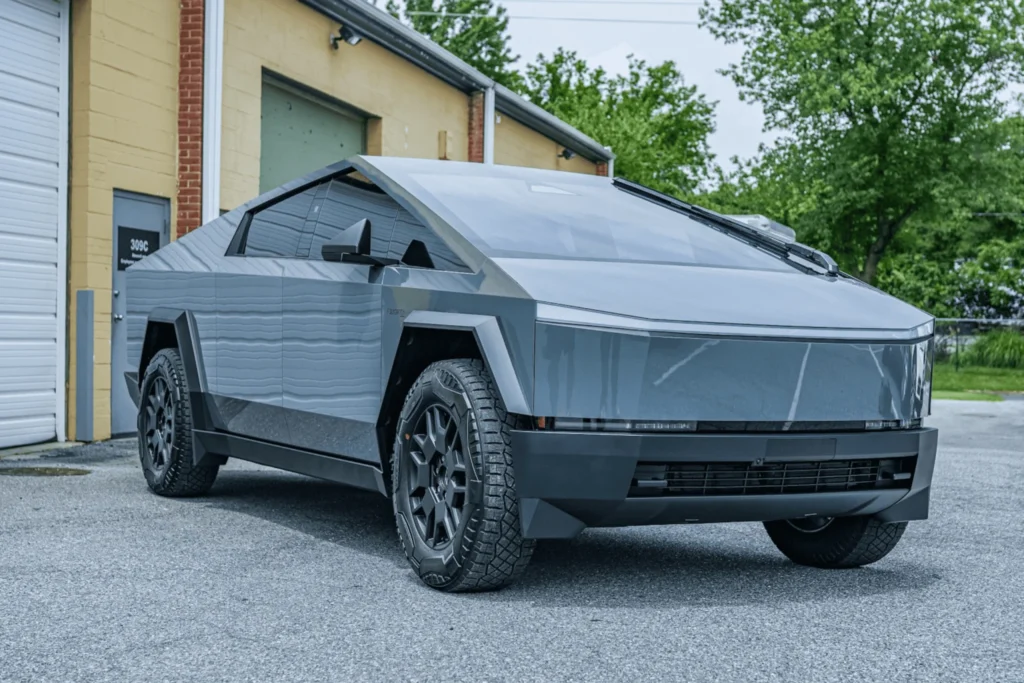
These factors together influence the total cost of PPF installation, making it important to consider each when planning for your vehicle’s protection. Understanding these elements helps ensure that you make an informed decision that balances cost with the quality and extent of protection desired.
If you’re in Rockville MD, feel free to reach out to Capital Wrappers for quality PPF installation. We believe in getting it done once, and getting it done right. Submit our contact form to get a free quote for your PPF installation.
Planning a PPF project in Rockville? Get a PPF cost estimate or call (301) 417-5977. Share the vehicle year, make, model, paint condition, and preferred coverage.
Maximizing Your Investment: The Long-Term Benefits of PPF Over Initial Costs
Understanding PPF as an Investment, Not Just an Expense
I like to think of PPF as an investment rather than a cost. You’ve finally bought the vehicle you love, and you worked so hard to do so – does it not make sense to protect that vehicle so it stays pristine for years?
When you apply PPF, you’re not just spending money; you’re actively investing in a shield that preserves the integrity and appearance of your car’s paintwork against everyday wear and tear.
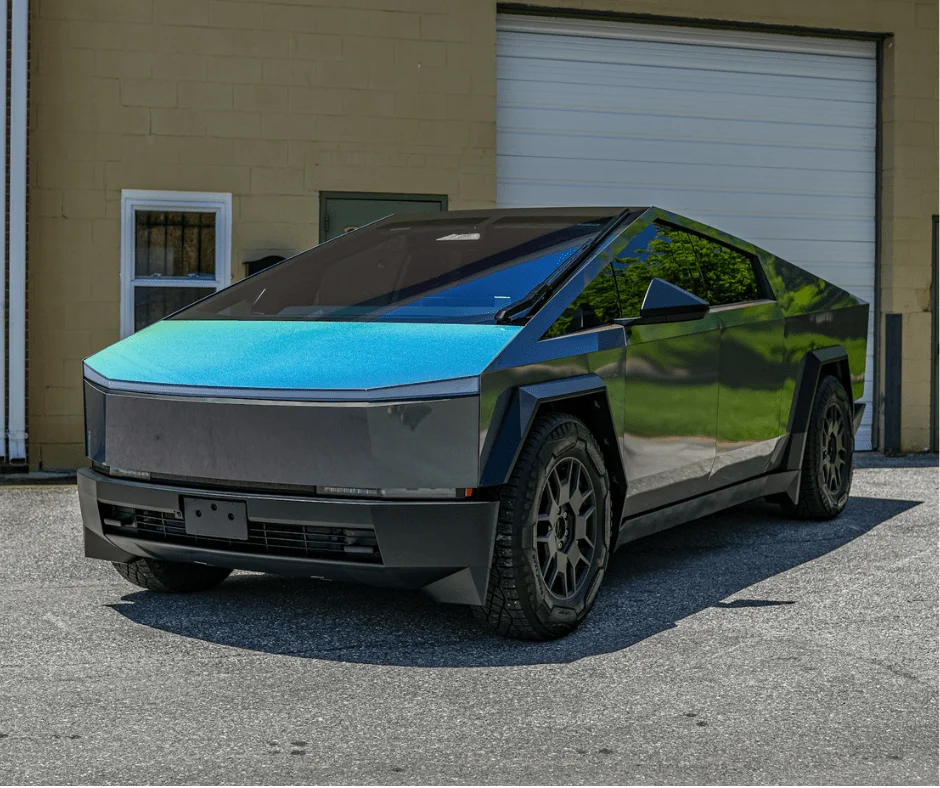
Protection Benefits of PPF
PPF serves as a robust barrier against numerous environmental hazards. Road debris, such as rocks and gravel, UV rays that can fade and degrade paint, and chemical stains from acidic rain or bird droppings are effectively repelled by this protective layer.
Resale Value Enhancement
One of the most tangible financial benefits of clear bra(PPF) is its impact on your vehicle’s resale value. Vehicles that maintain their new, fresh paint finish tend to attract higher offers and sell more quickly in the used car market. PPF keeps your vehicle looking newer longer, which is a significant selling point that can justify a higher resale price.
When selling my C8, it fetched a higher price since it was protected by PPF.
Cost Savings on Maintenance
The protective properties of paint protection film naturally reduce the need for frequent touch-ups and repairs. This means fewer visits to the body shop for paint repairs and less money spent on resolving issues like scratches and chips.
Additionally, the self-healing properties of high-quality PPF can minimize the visibility of minor abrasions, further reducing the need for cosmetic interventions.
Durability and Aesthetic Preservation
PPF is not only a functional investment but also an aesthetic one. The film is glossy so it helps maintain your car’s shine by protecting against dulling and oxidation caused by sun exposure. This will add to the overall pleasure of owning and driving your vehicle
Economic Analysis: Cost vs. Benefits
While the initial cost of paint protection film installation may seem high, it is essential to evaluate it within the context of potential long-term savings. The cost of PPF is often offset by the reduced need for costly paint jobs and the higher resale value it can maintain.
For example, PPF saved this car from costly repaired when it got into an accident. Once the film was removed, it was brand new underneath.
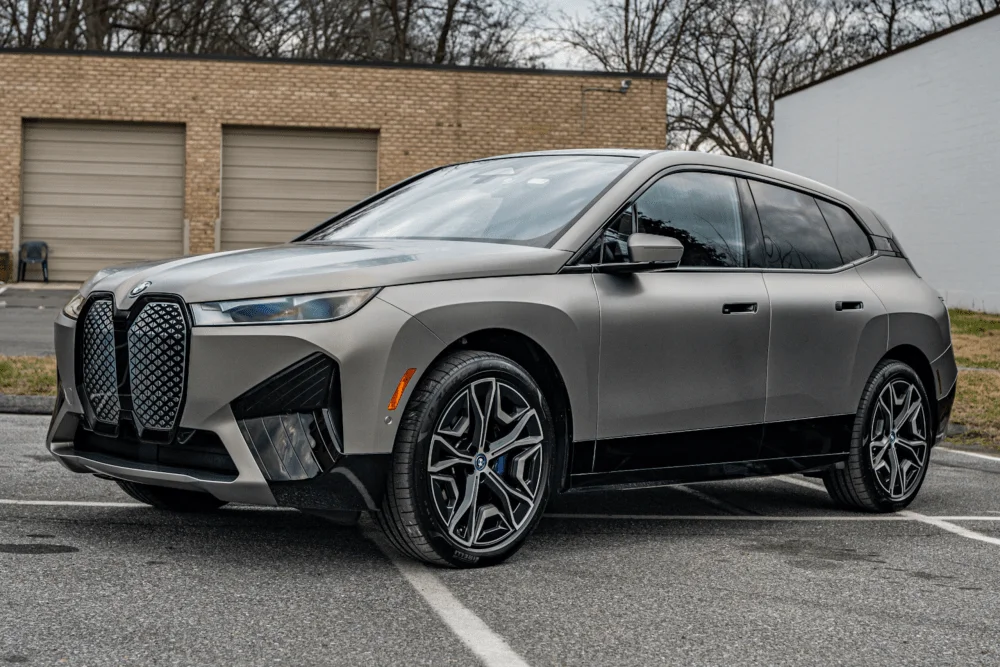
This detailed breakdown should help you understand the substantial advantages that come with PPF – why it should be seen as an investment rather than a cost.
Choosing the Right PPF for Your Budget
Choosing the right Paint Protection Film (PPF) for your vehicle involves a balance between your budget and the specific needs based on how you use your vehicle. Here are some guidelines to help you make an informed decision:
- Assess Your Vehicle Usage: Determine how and where you drive your vehicle. Vehicles that are frequently used in harsh environments or high-traffic areas might require a more durable PPF to protect against heavy wear and tear.
- Compare Cost vs. Quality: Higher-quality films often come with a higher price tag but offer better protection and longevity. They may be more cost-effective in the long run if you plan to keep your vehicle for many years.
- Longevity and Warranty Offers: Consider the durability and warranty provided by the PPF. Some high-end films come with a warranty that can extend up to 12 years, offering peace of mind and value for your investment.
Ready for an exact price for the vehicle? Get a personalized PPF quote or call (301) 417-5977. Capital Wrappers is located at 309C Howard Ave, Rockville, MD 20850.
Final Summary
Paint protection film cost generally ranges from $900 for partial-front coverage to $9,000 or more for full-body work. Full-front PPF commonly costs $1,800 to $3,000. Track coverage usually costs $2,500 to $4,000.
Coverage, vehicle size, panel shape, film product, paint condition, and installer labor create the final number. Package names alone do not provide enough information. A useful quote lists panels, preparation, product, edge work, warranties, taxes, and optional services.
The Rockville shop provides vehicle-specific PPF estimates. The right package fits the vehicle, road exposure, finish, and budget.
Why Choose Capital Wrappers in Rockville, MD ?
At Capital Wrappers, we specialize in providing top-tier Paint Protection Film (PPF) solutions tailored specifically to meet the unique needs of each vehicle. Located in Rockville, MD, our team is committed to delivering exceptional quality and precision in every installation, ensuring your vehicle receives the utmost protection and flawless finish.
Expert Installation: Our team of highly skilled installers ensures that every application is perfect, significantly reducing the risks of imperfections like bubbles and creases.
High-Quality Films: We use a ceramic-infused PPF that comes with a 12 year warranty. The best of the best.
Dedicated Customer Service: At Capital Wrappers, your satisfaction is our priority. We ensure every client leaves completely satisfied. If PPF is not a fit for your vehicle, we will tell you so, rather than selling you unnecessarily.
For a personalized quote for your vehicle, submit our contact form below and we’ll get back to you shortly.
Frequently Asked Questions
How much does full-front PPF cost in Rockville, MD?
A professional full-front PPF package generally costs $1,800 to $3,000 in 2026. It commonly covers the bumper, full hood, front fenders, mirror caps, and headlights. Larger vehicles, complex bumpers, specialty film, paint preparation, and added edge work can increase the final quote.
Why do PPF quotes vary so much between shops?
Quotes vary because package names do not always include the same panels. Film product, vehicle size, paint condition, body shape, edge coverage, trim removal, labor, and installer experience also affect pricing. Compare the scope, film line, and warranty terms alongside the total before booking.
Is PPF the same as a clear bra?
Yes. Clear bra is an older name for transparent paint protection film. Modern PPF can use self-healing and stain-resistant top coats, but features vary by product. The term does not describe a fixed package, so a quote should identify the covered panels, film line, and warranty.
Does matte or colored PPF cost more than clear PPF?
Matte, satin, stealth, and colored PPF often cost more than clear gloss film. Specialty materials may cost more and require closer alignment across adjacent panels. Vehicle size, finish choice, body complexity, paint preparation, and full-body coverage determine the final difference.
Can PPF be removed without damaging the paint?
A trained installer can usually remove PPF from sound factory paint. Film age, adhesive condition, coverage, prior repainting, and paint stability affect the work and price. Repainted or poorly bonded surfaces need review because removal can carry greater risk than on stable factory paint.