Which Option Offers Better Protection Against Scratches: PPF Vs Ceramic Coating?
When it comes to protecting your car’s finish, two options always come to mind: Paint Protection Film (PPF) and Ceramic Coating. Both promise to preserve your vehicle’s appearance and defend it from daily wear, but how do they actually compare? Understanding their unique qualities can help you make the best choice for your car’s paint longevity and appearance.
In this detailed guide, we will explore the science behind both products, how they protect against scratches, and which one delivers better long-term results. Whether you drive a luxury sedan, a sports car, or an everyday commuter, knowing the difference between these two technologies can help you invest wisely in your vehicle’s protection.
Understanding the Basics of Paint Protection
What is Paint Protection Film (PPF)?
Paint Protection Film, or PPF, is a transparent polyurethane film that’s applied directly over a car’s painted surfaces. Designed to act like a physical shield, it absorbs small impacts from rocks, road debris, and other abrasive materials. The flexibility of PPF allows it to heal minor scratches over time, keeping your paint looking new even after years of exposure to the elements. Many car enthusiasts in Maryland trust professional installers like Capital Wrappers for precise application and seamless coverage.
What is Ceramic Coating?
Ceramic Coating is a liquid polymer that chemically bonds with your car’s paint, forming a durable layer of protection. Unlike PPF, which physically blocks damage, ceramic coatings focus on repelling dirt, water, and chemicals. The hydrophobic layer ensures contaminants slide off easily, reducing swirl marks caused by improper washing. It enhances gloss while simplifying maintenance, making it a popular choice for drivers seeking a showroom shine.
The Science Behind Each Protection Method
How PPF Works to Shield Car Paint
PPF works like body armor for your car. The film’s multi-layer construction allows it to absorb and disperse impact energy from small debris. When light scratches occur, the material’s self-healing topcoat activates under heat, smoothing out imperfections. This technology offers a practical barrier that resists chips, nicks, and abrasions without altering the original paint finish.
How Ceramic Coating Bonds to the Surface
Ceramic coatings, on the other hand, create a nano-level bond with the clear coat. This bond forms a thin, invisible layer that’s resistant to chemicals, UV rays, and mild scratches. The coating hardens into a glass-like finish that enhances paint clarity. While it doesn’t self-heal like PPF, it significantly minimizes surface damage caused by washing or environmental exposure.
Comparing Scratch Resistance in Real-World Use
Surface Hardness and Impact Absorption
PPF has the advantage of being thicker and more elastic, allowing it to absorb minor impacts effectively. Its physical structure protects against scratches from small rocks or parking lot brushes. Ceramic coatings, while harder on the surface, are not designed to absorb impact energy, meaning deeper scratches can still reach the paint.
Everyday Scratch Scenarios on the Road
From automatic car washes to gravel roads, daily driving exposes vehicles to countless potential scratches. In these real-world situations, PPF provides superior defense because of its physical cushioning properties. Ceramic coatings offer limited resistance against fine scratches but cannot prevent mechanical abrasion caused by sharp objects.
Durability and Longevity Differences Explained

Lifespan of Paint Protection Film
High-quality PPF typically lasts between 5 to 10 years, depending on maintenance and exposure. Over time, UV exposure may cause slight yellowing if not maintained properly. However, with professional installation and regular care, PPF maintains strong protection for years, making it a worthwhile investment for long-term vehicle preservation.
Longevity of Ceramic Coating
Ceramic coatings usually last 2 to 5 years. Their longevity depends on the number of layers applied and how the vehicle is maintained. While coatings offer excellent gloss retention and chemical resistance, they eventually wear down from washing and weathering. Regular maintenance can extend their performance, but they don’t match the physical durability of PPF.
Maintenance Needs for Both Options
Cleaning and Care Tips for PPF
PPF is relatively low-maintenance but benefits from gentle washing using pH-neutral soaps. Avoid abrasive brushes or waxes, as they can dull the finish. Occasional detailing helps keep the film clear and free from contaminants, ensuring it continues to protect effectively.
Proper Maintenance for Ceramic Coating
Maintaining ceramic coating involves regular washing and periodic reapplication of booster sprays. These sprays refresh the hydrophobic layer, helping water and dirt slide off smoothly. Although ceramic coatings simplify cleaning, they still require attention to preserve their glossy look.
Cost Comparison and Value Over Time
Initial Costs vs. Long-Term Benefits
PPF typically costs more upfront because of its material thickness and labor-intensive installation. However, it prevents costly paint repairs and resprays down the line. Ceramic coatings are more affordable initially but may require touch-ups or reapplication, making them a better fit for drivers focused on aesthetics rather than heavy protection.
Factors Affecting the Overall Cost
Pricing depends on vehicle size, surface coverage, and brand quality. Professional installation by Capital Wrappers ensures maximum durability and flawless results, ultimately influencing how well either product performs over time.
Aesthetic Appeal and Visual Differences
PPF’s Gloss and Clarity Effects
Modern PPF options enhance paint gloss and come in both matte and high-gloss finishes. They preserve the factory color while adding subtle depth. Because the film is virtually invisible, it provides protection without compromising appearance.
Ceramic Coating’s Mirror-Like Finish
Ceramic coatings, however, excel in visual brilliance. They amplify color richness and produce a reflective, glass-like finish that’s hard to miss. Many car enthusiasts apply ceramic coatings even over PPF to achieve both protection and gloss enhancement.
UV Protection and Weather Resistance
Heat and Sunlight Protection with PPF
PPF effectively shields against UV rays, preventing oxidation and fading. Its heat resistance helps maintain consistent paint color across panels, even after prolonged sun exposure. This makes it ideal for vehicles frequently parked outdoors.
Ceramic Coating’s Role Against UV Damage
Ceramic coatings also provide strong UV resistance, preventing paint dullness and clear coat damage. The hydrophobic layer ensures rainwater and pollutants slide off, minimizing water spots and oxidation buildup.
Repair and Replacement Considerations
Can PPF Be Repaired or Replaced Easily?
Yes. If a section of PPF is damaged, it can be replaced without affecting surrounding areas. Professional installers use precision-cut templates to reapply film seamlessly. This localized repair option adds long-term value to PPF applications.
Handling Damage on Ceramic Coating
Ceramic coatings cannot be spot-repaired. Once damaged, they require full reapplication on the affected panel. This process can be time-consuming and costly, especially for extensive surface damage.
Which Option Performs Better for Rockville Drivers
Factors Specific to Maryland Weather and Roads
Maryland’s diverse weather, from icy winters to humid summers, exposes cars to both road salt and UV rays. For Rockville drivers, PPF provides robust year-round protection against chips and salt corrosion, while ceramic coatings work best for easier cleaning and maintaining shine.
Local Installation Expertise with Capital Wrappers
Choosing a trusted installer like Capital Wrappers ensures you get expert advice tailored to Rockville’s driving conditions. Their experience with local vehicles helps customers achieve the right balance of protection and aesthetics.
Environmental and Chemical Resistance Factors
Acid Rain, Bird Droppings, and Road Salt
Both protection methods resist mild chemical contaminants, but PPF performs better against acidic or corrosive substances. Ceramic coatings, while hydrophobic, may still allow etching from prolonged contact if contaminants aren’t removed promptly.
How Each Protection Handles Harsh Elements
PPF’s physical barrier shields against external factors like sand, sap, and tree droppings, while ceramic coating resists staining and discoloration. Together, they create comprehensive environmental defense.
Ease of Application and Installation Quality
The Skill Required for Perfect PPF Installation
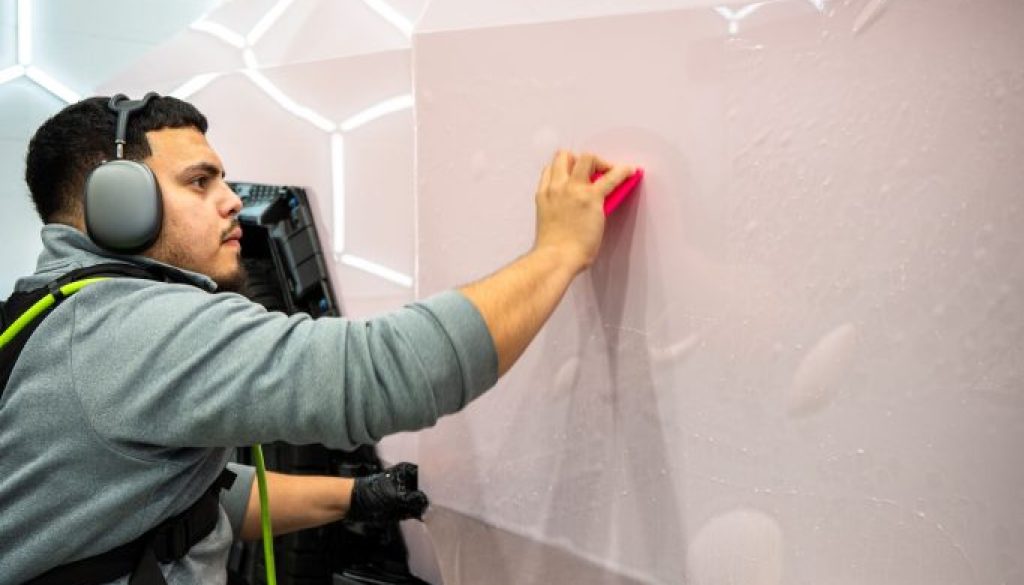
Applying PPF demands expert precision. Every curve and contour must align perfectly to avoid bubbles or wrinkles. This is why professional installers are essential for achieving an invisible, long-lasting finish.
Why Ceramic Coating Needs Expert Precision
Ceramic coatings require meticulous surface preparation. Even the smallest paint imperfection can affect bonding. When properly applied, they deliver an exceptionally smooth and glossy finish that lasts for years.
Combining PPF and Ceramic Coating for Ultimate Protection
Why Dual Protection is Becoming Popular
Drivers who want the best of both worlds often combine PPF and ceramic coating. PPF defends against scratches and impacts, while ceramic coating enhances gloss and simplifies cleaning. Together, they create a layered defense system.
Real Benefits of Combining Both Options
This hybrid approach maximizes durability, protection, and shine. PPF guards high-impact zones like bumpers and hoods, while ceramic coating covers the rest for consistent gloss and easy maintenance.
Final Thoughts on Choosing Between PPF and Ceramic Coating
When it comes to PPF vs Ceramic Coating, both solutions serve unique purposes. PPF provides superior impact resistance and self-healing features, while ceramic coating delivers unmatched gloss and hydrophobic performance. The best choice depends on your driving habits, aesthetic goals, and environmental conditions.
Conclusion
Both PPF and ceramic coating offer advanced vehicle protection technologies, each excelling in different areas. For Maryland drivers, understanding how these materials perform under local conditions helps ensure smarter long-term investments in vehicle preservation. Whether you choose PPF, ceramic coating, or a combination of both, your car’s finish can stay pristine for years to come.
FAQs
Q1: Can PPF and ceramic coating be applied together?
Yes, many car owners use both for complete protection—PPF for impact resistance and ceramic coating for added shine and easy maintenance.
Q2: How long does PPF usually last?
High-quality PPF can last up to 10 years when installed and maintained correctly, offering consistent scratch and chip protection.
Q3: Is ceramic coating resistant to all scratches?
Not entirely. It resists minor swirl marks and surface scratches but won’t prevent deeper abrasions from sharp objects.
Q4: Which is more cost-effective over time?
While ceramic coating costs less initially, PPF offers more long-term value by preventing costly paint repairs and maintaining resale value.
Q5: Do I need professional installation for both?
Absolutely. Professional installers ensure even application, strong bonding, and the full protective potential of both PPF and ceramic coating.