How Window Tinting Can Enhance Nighttime Driving Safety in Rockshire, MD
Nighttime driving presents unique challenges that many motorists underestimate until they’re behind the wheel after dark. The combination of reduced visibility, glare from oncoming headlights, and eye fatigue creates conditions that significantly increase accident risk. You might be surprised to learn that Window Tinting in Rockshire, MD offers substantial safety improvements specifically for nighttime driving when installed correctly with appropriate specifications. While some people mistakenly believe that tinting reduces visibility at night, quality films actually enhance safety by managing light in ways that improve your ability to see clearly.
Capital Wrappers specializes in helping drivers understand how modern tinting technology addresses nighttime visibility concerns. The key lies in selecting the right film with properties designed for light management rather than simply darkening windows. Professional auto window tinting filters problematic light wavelengths while maintaining the visibility you need for safe driving. Think of it like wearing quality sunglasses; they don’t make everything darker, they selectively filter light to reduce strain and improve clarity. When properly installed, tinting becomes a valuable safety feature that makes nighttime driving less stressful and more secure for you and your passengers.
Understanding the Night Driving Challenge
Driving after dark requires your eyes to work harder than during daylight hours. Your pupils dilate to allow more light in, making your eyes more sensitive to sudden bright lights. This increased sensitivity means that glare from headlights, streetlights, and other sources can temporarily impair your vision. The contrast between dark roads and bright light sources forces your eyes to constantly adjust, causing fatigue that reduces your reaction time.
Statistics show that nighttime driving accounts for a disproportionate number of accidents despite lower traffic volumes. The human eye simply doesn’t perform as well in low-light conditions. Depth perception decreases, peripheral vision narrows, and the ability to distinguish colors diminishes. Add glare into this equation, and you have a recipe for compromised safety. A Window Tinting Shop Rockshire, MD understands these challenges and can recommend solutions that specifically address nighttime visibility concerns.
How Headlight Glare Affects Driver Performance
Modern headlights, particularly LED and HID systems, produce incredibly intense light output. While this helps the drivers using them, it creates serious glare problems for oncoming traffic. When these bright lights hit your eyes, your pupils constrict rapidly to protect against the intense light. This leaves you temporarily unable to see the darker road ahead, a phenomenon known as flash blindness.
The recovery time from this temporary blindness varies but typically lasts several seconds. During those seconds, you’re essentially driving blind, relying on memory of where the road was moments before. This becomes especially dangerous on curves, at intersections, or in areas where pedestrians might be present. Capital Wrappers offers tinting solutions that reduce the intensity of this glare without compromising your overall visibility, giving your eyes a more consistent light environment to work with.
The Science Behind Tinting and Night Visibility
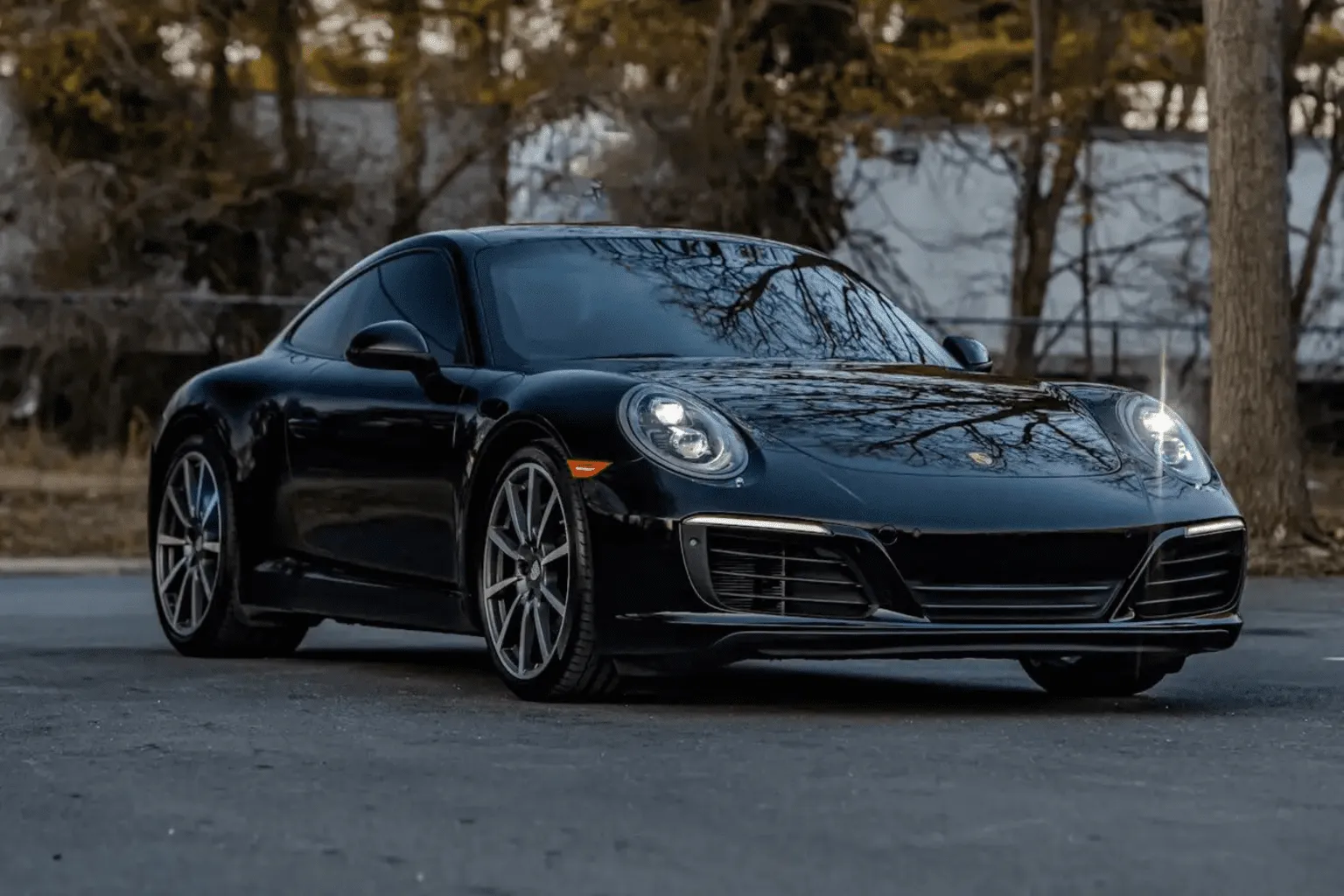
Quality window tinting doesn’t just darken glass; it selectively filters light wavelengths. Modern films incorporate technology that blocks specific portions of the light spectrum while allowing other wavelengths to pass through. This selective filtering is what makes properly specified tinting beneficial for nighttime driving rather than detrimental.
The films work by absorbing or reflecting certain light frequencies before they reach your eyes. This reduces the total light intensity without creating the uniform darkening effect of simply adding a dark layer. Think of it as noise-canceling technology for light; the film removes the problematic components while preserving the useful information. When seeking Auto Window Tinting Services, ask about films specifically engineered for nighttime driving enhancement with high visible light transmission rates.
Selective Light Filtering Technology
Advanced tinting films can target specific wavelengths that cause the most problems for night vision. Blue light, for example, creates significant glare and contributes to eye strain. Modern tinting technology can filter out substantial amounts of blue light while maintaining high transmission of other wavelengths your eyes need for navigation.
This selective approach means you can achieve glare reduction without the heavy darkening that would impair nighttime visibility. The result is a more comfortable viewing environment where bright lights are tamed to manageable levels while road features remain clearly visible. Some premium films even enhance contrast by selectively filtering in ways that make objects stand out more clearly against their backgrounds.
Glare Reduction from Oncoming Traffic
One of the most immediate benefits drivers notice with proper tinting is reduced glare from oncoming headlights. Instead of experiencing the full blast of modern high-intensity lights, you see a moderated version that’s still visible but not blinding. This allows your pupils to maintain a more consistent size, keeping your eyes adapted for the darkness you need to navigate through.
The difference becomes particularly noticeable on rural roads without street lighting where oncoming traffic creates the only bright light sources. Without tinting, each passing vehicle forces your eyes to readjust, then readjust again once they pass. With appropriate tinting from a Window Tinting Shop Near Me Rockshire, MD, these adjustments become much less severe, maintaining more consistent vision throughout your drive.
High-Beam Protection and Eye Strain Prevention
We’ve all encountered drivers who forget to dim their high beams or have improperly aimed headlights. These situations create dangerous glare that can be genuinely painful and disorienting. Quality window tinting provides a baseline level of protection against these extreme light situations, reducing their impact on your vision.
Beyond just the momentary discomfort, repeated exposure to intense glare creates eye strain that accumulates over a drive. This fatigue reduces your alertness and reaction time, similar to how physical tiredness affects driving performance. By moderating light intensity consistently, Capital Wrappers installed tinting helps prevent this accumulating fatigue, keeping you more alert throughout nighttime journeys.
Interior Light Control for Better Focus
Glare doesn’t only come from external sources. Your dashboard, instrument panel, and electronic displays create internal light that reflects off your windshield, creating ghost images that interfere with your view of the road. Side window tinting helps control these internal reflections by reducing the amount of light that bounces around inside your vehicle’s cabin.
This becomes especially important in modern vehicles with large digital displays and numerous LED indicator lights. These internal light sources, while necessary for vehicle operation, can create significant distraction and visibility problems through reflections. Properly installed Car Window Tinting creates a more controlled interior light environment that minimizes these reflection issues.
Minimizing Reflections on Windshield
The ghost images created by dashboard reflections on your windshield can be surprisingly distracting, especially when they overlap with the area where you’re trying to watch the road. While windshield tinting faces legal restrictions in most areas, side window tinting still helps by controlling the amount of light bouncing around the interior that eventually reaches and reflects off the windshield.
Darker side windows mean less ambient light in the cabin overall, which translates to fewer and dimmer reflections on your windshield. This creates a clearer, less cluttered view of the road ahead. The effect is subtle but cumulative, contributing to reduced eye strain over the course of a nighttime drive.
UV and Blue Light Protection at Night
While UV exposure is typically associated with daytime driving, artificial light sources also emit wavelengths that strain your eyes. Blue light from headlights, streetlights, and LED sources contributes significantly to eye fatigue and can disrupt your natural circadian rhythms if you drive at night frequently. Quality tinting films block these problematic wavelengths.
Blue light filtering proves particularly valuable because this wavelength scatters more easily in the eye, creating a hazy effect that reduces contrast and clarity. By filtering out blue light, tinting actually improves the sharpness of what you see at night. Capital Wrappers can recommend films with enhanced blue light blocking properties specifically for drivers who frequently travel after dark.
Enhanced Contrast and Depth Perception
One of the more subtle but significant benefits of appropriate tinting is improved contrast at night. By reducing glare and filtering problematic wavelengths, quality films allow your eyes to better distinguish between different shades and depths in the darker environment. This improved contrast makes it easier to identify road features, lane markings, and potential hazards.
Depth perception relies heavily on your ability to detect subtle differences in shading and contrast. When glare washes out these subtle cues, your brain has less information to work with in judging distances. By preserving these contrast cues through selective light filtering, tinting helps maintain better depth perception during nighttime driving.
Better Detection of Road Hazards
The improved contrast and reduced glare from proper tinting translates directly into better hazard detection. Pedestrians wearing dark clothing, animals at the roadside, debris in the road, and other potential dangers become more visible when you’re not constantly recovering from glare-induced vision impairment.
This improved detection gives you precious extra seconds to react to unexpected situations. At highway speeds, even a half-second improvement in reaction time can mean the difference between avoiding an accident and being unable to stop in time. The safety value of this enhanced awareness cannot be overstated for frequent nighttime drivers.
Legal Compliance and Safe Tinting Levels
Maryland law regulates window tinting to ensure it doesn’t compromise safety. Understanding these regulations is crucial because excessive tinting that violates legal limits can actually reduce nighttime visibility to dangerous levels. The law balances the benefits of tinting against the need for adequate visibility.
In Maryland, front side windows must allow more than 35% of light to pass through, while rear windows can be darker. These regulations exist specifically to maintain safe visibility levels while allowing the benefits tinting provides. Working with professionals at Capital Wrappers ensures compliance with these regulations while maximizing safety benefits.
Choosing the Right Tint Percentage
For nighttime driving safety, the tint percentage becomes critically important. A 35% tint, which blocks 65% of light, sits at the legal limit for front windows in Maryland and provides substantial glare reduction while maintaining good visibility. Going darker than legal limits might seem appealing for daytime comfort but can compromise nighttime safety.
Many experienced night drivers find that staying at or slightly above the legal minimum darkness provides the best balance. This level offers significant glare control and eye strain reduction while ensuring you maintain clear visibility of the road, signs, and potential hazards. A professional installer can help you select the optimal darkness level based on your specific driving patterns and needs.
Conclusion
Window tinting offers genuine nighttime driving safety improvements when properly specified and professionally installed. From glare reduction to improved contrast and decreased eye strain, quality films address the specific challenges of after-dark driving. By understanding how modern tinting technology selectively filters light rather than simply darkening windows, you can make informed decisions that enhance both comfort and safety during nighttime travel in Rockshire.
FAQs
Won’t window tinting make it harder to see at night?
Properly specified tinting at legal darkness levels actually improves nighttime visibility by reducing glare and eye strain. The key is choosing appropriate tint percentages, typically 35-50% for front windows, which provides glare control while maintaining clear visibility of the road.
How does tinting reduce headlight glare without blocking my view?
Modern tinting films selectively filter light wavelengths, reducing glare intensity while maintaining high transmission of the light your eyes need for navigation. This creates a more consistent light environment that prevents the temporary blindness caused by sudden bright lights.
Is there a specific type of tint best for nighttime driving?
Films with blue light filtering properties and visible light transmission above 50% work best for nighttime driving. Ceramic and carbon-based films typically offer superior selective filtering compared to dyed films, providing better glare control with less overall darkening.
Can I combine windshield and side window tinting for better results?
Maryland law restricts windshield tinting to a small strip at the top. However, properly tinted side windows provide substantial benefits by controlling interior reflections and managing light from side angles, complementing your clear windshield view.
How long does window tinting last before it needs replacement?
Quality professionally installed tinting typically lasts 5-10 years or longer without significant degradation. The film maintains its light-filtering properties throughout its lifespan, providing consistent nighttime driving benefits with no special maintenance required beyond normal window cleaning.