Which Window Tinting Films Work Best for Twinbrook, MD Summers
Summer in Twinbrook brings scorching temperatures that turn your vehicle into an oven within minutes of parking in the sun. If you’ve ever returned to your car after a quick errand and felt that blast of superheated air, you understand how brutal Maryland summers can be on both you and your vehicle’s interior. Window Tinting in Twinbrook, MD offers an effective solution to this seasonal challenge, but not all tinting films perform equally when facing intense summer heat. Choosing the right film technology makes the difference between modest improvement and transformative comfort.
Capital Wrappers helps drivers navigate the various tinting options available, each with distinct properties that affect summer performance. The key lies in understanding that heat enters your vehicle through multiple mechanisms, and different film types address these mechanisms with varying effectiveness. Auto window tinting has evolved significantly in recent years, with modern films offering far superior heat rejection compared to older technologies. When you’re sitting in traffic on a 95-degree day, the quality of your window film directly impacts your comfort, your air conditioning efficiency, and even your fuel economy.
Understanding Twinbrook’s Summer Climate Challenges
Maryland summers deliver a challenging combination of high temperatures, intense humidity, and strong UV radiation. Twinbrook experiences average summer temperatures in the upper 80s to low 90s, with heat index values often pushing past 100 degrees. This heat doesn’t just make driving uncomfortable; it actively damages your vehicle’s interior components over time.
The humidity factor makes Maryland summers particularly challenging because moist air holds and transfers heat more effectively than dry air. This means that even on days when the actual temperature seems moderate, the heat buildup inside your vehicle can be extreme. The sun’s angle during summer months also means more direct exposure to roof and side windows, increasing the total solar energy entering your vehicle throughout the day.
Temperature Extremes in Maryland Summers
Studies show that vehicle interiors can reach temperatures 40 to 50 degrees higher than outside ambient temperature when parked in direct sunlight. On a 90-degree day, this means your car’s interior could hit 130 to 140 degrees. These extreme temperatures don’t just cause discomfort; they accelerate the breakdown of plastics, fade upholstery, crack dashboards, and stress electronic components.
The steering wheel and seats can become literally too hot to touch, creating safety concerns as you struggle to grip the wheel or adjust your position. Children and pets face serious health risks in these conditions. A Window Tinting Shop Twinbrook, MD specializing in heat rejection can reduce these interior temperatures by 30 to 60 degrees, transforming the summer driving experience and protecting your investment.
Ceramic Window Tinting Films for Maximum Heat Rejection
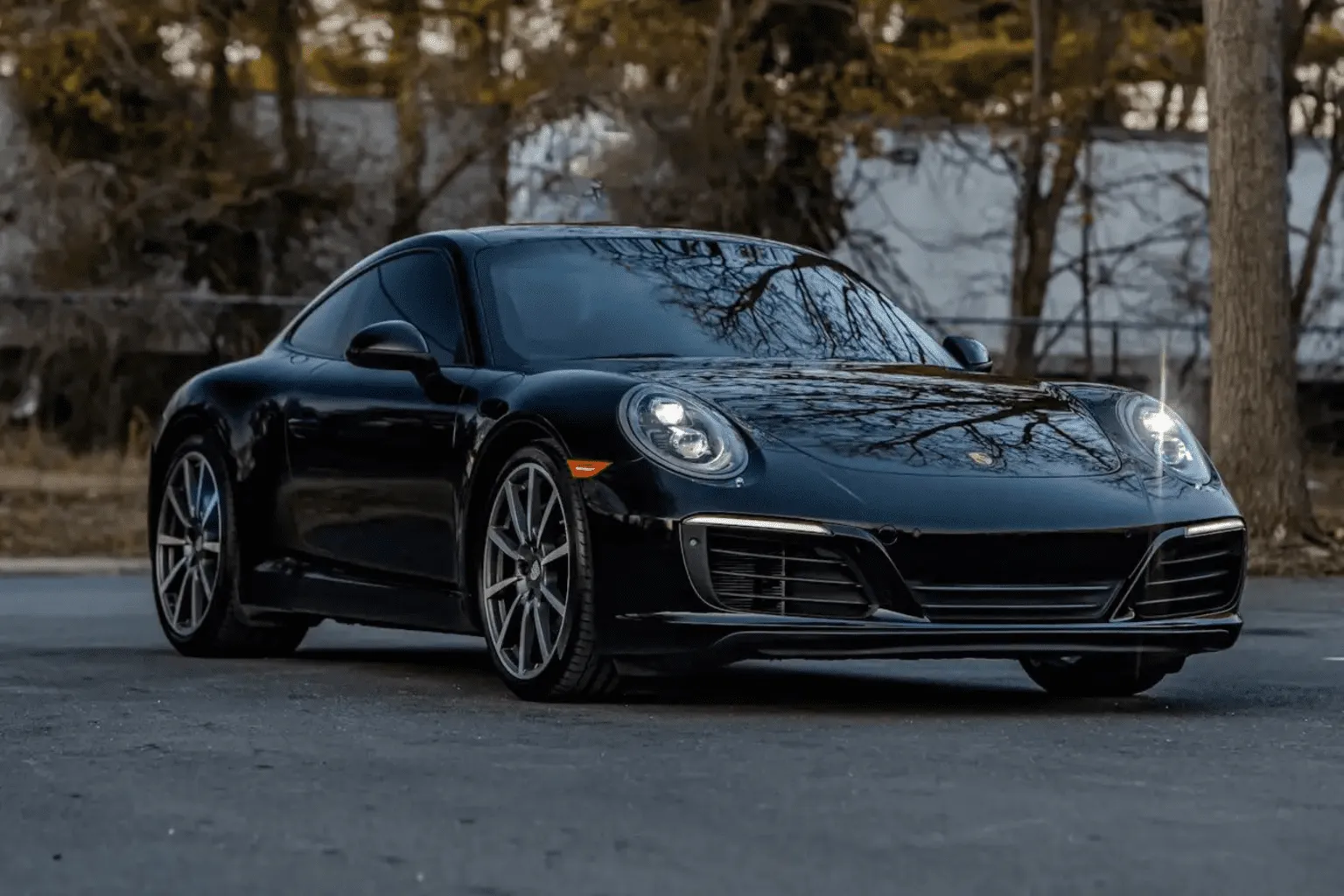
Ceramic films represent the pinnacle of window tinting technology for summer heat management. These films incorporate ceramic particles that block infrared radiation, the primary heat-carrying component of sunlight. Unlike other film types, ceramic tint achieve exceptional heat rejection without requiring heavy darkness, meaning you can stay cool while maintaining excellent visibility.
The technology works by selectively filtering specific wavelengths of light. Ceramic particles are engineered to block infrared and UV radiation while allowing visible light to pass through. This means you can install a relatively light ceramic tint that blocks 60 to 80 percent of heat while maintaining 50 percent or higher visible light transmission. Capital Wrappers frequently recommends ceramic films for summer performance because they deliver unmatched results in hot weather conditions.
How Ceramic Films Block Infrared Radiation
Infrared radiation accounts for roughly 53 percent of the sun’s energy, and it’s primarily responsible for the heat you feel. Traditional tinting films block some infrared simply by darkening the window, but this approach has limits. Ceramic films specifically target infrared wavelengths through their molecular structure, blocking heat without relying solely on darkness.
This selective blocking means ceramic films can reject up to 80 percent of infrared energy while maintaining a light appearance. The result is a noticeably cooler interior without the heavily darkened look of older tinting technologies. For drivers seeking Auto Window Tinting Services, ceramic films offer the best performance-to-appearance ratio available.
Durability and Longevity in Harsh Conditions
Summer heat tests window film durability. Lesser quality films can bubble, peel, or fade when subjected to sustained high temperatures and UV exposure. Ceramic films excel in these conditions because their non-metallic, stable composition doesn’t break down under heat and sun exposure. These films typically come with lifetime warranties because manufacturers know they’ll maintain their properties indefinitely.
The color stability of ceramic films means they won’t purple or turn hazy over time, a common problem with dyed films. This long-term performance makes ceramic films cost-effective despite their higher initial price. You’re essentially buying permanent summer heat protection that will perform as well in year ten as it did on day one.
Carbon Window Tinting for Balanced Performance
Carbon films sit in the middle ground between entry-level dyed films and premium ceramic options. They incorporate carbon particles that provide better heat rejection than dyed films while costing less than ceramic technology. For many Twinbrook drivers, carbon films offer the sweet spot of performance and value for summer heat management.
Carbon films block approximately 40 to 50 percent of infrared radiation, a significant improvement over dyed films but not quite matching ceramic performance. They also resist fading better than dyed films and won’t interfere with electronic devices like metallic films can. A Window Tinting Shop Near Me Twinbrook, MD often suggests carbon films for budget-conscious drivers who still want meaningful heat rejection improvement.
UV Protection and Heat Control Combination
One of carbon film’s strengths is comprehensive protection. These films block 99 percent of UV radiation while providing substantial infrared rejection. This dual benefit addresses both immediate comfort through heat control and long-term protection through UV blocking. Your skin receives protection from harmful UV exposure during daily commutes, and your interior materials resist fading and cracking.
The matte finish of carbon films also creates an attractive appearance without the mirror-like reflectivity of metallic films. This gives your vehicle a sophisticated look while delivering practical summer performance benefits. Capital Wrappers finds that many customers appreciate carbon film’s balance of aesthetics, performance, and price.
Metallic Films and Their Summer Performance
Metallic films incorporate tiny metallic particles that reflect solar energy away from your vehicle. This reflective approach provides good heat rejection, typically blocking 40 to 60 percent of heat depending on the specific product. The metallic content also makes these films extremely durable and scratch-resistant, an advantage for long-term performance.
However, metallic films come with a significant drawback that affects many modern vehicles. The metal content can interfere with radio signals, GPS, cellular service, and other electronic communications. In an age where smartphones, satellite radio, and navigation systems are essential, this interference can be problematic enough to outweigh the heat rejection benefits.
Pros and Cons for Hot Weather Use
For pure heat rejection, metallic films perform well in summer conditions. Their reflective properties bounce solar energy away before it enters your vehicle, reducing heat buildup effectively. The durability of metallic films also means they maintain this performance for many years without degradation. In summer sun, this reliability matters.
The electronic interference issue and the highly reflective appearance may limit metallic film appeal. Some areas also have regulations against highly reflective window tinting for safety reasons. When considering Car Window Tinting options, weigh whether the heat rejection benefits justify the potential drawbacks for your specific situation and vehicle technology needs.
Dyed Films: Budget Options for Summer
Dyed films represent the entry point into window tinting, using layers of dye to absorb light and reduce heat. While these films cost significantly less than ceramic or carbon options, their summer performance is limited. Dyed films typically block only 15 to 25 percent of heat, providing modest improvement over untinted windows but falling short of what modern technologies achieve.
The dye in these films also breaks down over time, especially under intense summer sun exposure. Within a few years, dyed films often begin to fade, turn purple, and lose what limited heat rejection they initially provided. However, for drivers on tight budgets who want some level of summer comfort improvement, dyed films still offer value despite their limitations.
UV Rejection Ratings That Matter in Summer
While heat rejection gets most of the attention in summer tinting discussions, UV rejection deserves equal consideration. UV radiation causes skin damage, increases skin cancer risk, and destroys interior materials. Quality window films block 99 to 100 percent of UV rays, providing significant health and preservation benefits throughout summer months.
The medical community increasingly recognizes the risks of UV exposure during driving. Left arm skin cancer rates are higher than right arms in drivers because of sun exposure through side windows. Quality tinting eliminates this differential exposure, protecting your skin during every summer drive. Additionally, UV blocking prevents the fading, cracking, and deterioration that summer sun inflicts on dashboards, seats, and other interior components.
Protecting Interior Materials from Sun Damage
Summer sun rapidly ages vehicle interiors. Dashboard plastics become brittle and crack, leather dries and splits, fabric fades, and electronic displays can degrade. UV radiation drives most of this damage, making UV-blocking window film one of the best investments for interior preservation. Capital Wrappers emphasizes that the interior protection benefits often justify the tinting investment even before considering comfort improvements.
The cumulative effect of UV protection over years significantly impacts vehicle value. Cars with UV-protected interiors maintain their appearance and functionality far better than untinted vehicles. When you eventually sell or trade your vehicle, the preserved interior commands higher resale values, potentially recouping your tinting investment entirely.
Visible Light Transmission for Summer Comfort
Visible light transmission (VLT) refers to the percentage of visible light that passes through tinted windows. A 35 percent VLT film blocks 65 percent of visible light, creating moderately dark windows. For summer use, darker tint provide more glare reduction but may compromise visibility in certain conditions. Finding the right balance matters for both comfort and safety.
Modern ceramic films offer an advantage here because they achieve excellent heat rejection even with relatively high VLT percentages. You can install a 50 percent VLT ceramic film that maintains good visibility while still blocking the majority of heat. This flexibility allows you to optimize for summer comfort without sacrificing the visibility you need for safe driving.
Legal Limits and Optimal Tint Percentages
Maryland law requires front side windows to allow more than 35 percent of light to pass through, meaning you can tint to 35 percent VLT but no darker. Rear windows face no legal darkness limits. For summer performance, staying at or just above the legal limit for front windows maximizes heat rejection while maintaining compliance.
Many drivers choose 35 percent VLT for front windows and 20 percent or darker for rear windows. This combination provides excellent summer heat rejection throughout the vehicle while meeting legal requirements. The front-to-back gradient also creates an attractive appearance. Professionals can advise on the specific percentages that will deliver the summer performance you need while keeping you legal on Twinbrook roads.
Conclusion
Choosing the best window tinting film for Twinbrook summers depends on your priorities and budget. Ceramic films offer unmatched heat rejection and UV protection with excellent visibility, making them ideal for serious summer heat management. Carbon films provide solid performance at moderate cost, while metallic and dyed options serve specific needs and budgets. Understanding these differences helps you select the film technology that will keep you comfortable through Maryland’s demanding summer months.
To further enhance your driving experience, it’s also worth exploring how window tinting contributes to improved nighttime visibility and overall road safety.
FAQs
How much cooler will my car be with quality window tinting?
Quality ceramic tinting can reduce interior temperatures by 30 to 60 degrees compared to untinted windows. On a 90-degree day, this means your car interior might be 100 degrees instead of 140 degrees, a dramatic improvement in comfort and safety.
Can I install darker tint on rear windows than front windows?
Yes, Maryland law regulates front side window darkness but not rear windows or back windshields. Many drivers choose darker tint for rear windows to maximize heat rejection while keeping front windows at legal limits for visibility.
Will window tinting reduce my air conditioning costs?
Absolutely. By blocking heat before it enters your vehicle, quality tinting reduces the load on your air conditioning system. This means faster cooling, less fuel consumption for AC operation, and potentially longer AC system life through reduced strain.
How long does professional window tinting take to install?
Professional installation typically takes 2 to 4 hours depending on your vehicle and the number of windows being tinted. The film then needs 3 to 5 days to fully cure before you should roll down windows or clean them.
Does ceramic tinting really justify the higher cost for summer use?
For drivers who frequently experience summer heat, ceramic tinting typically justifies its cost through superior comfort, better interior protection, and lifetime durability. The performance difference becomes especially noticeable in Maryland’s intense summer conditions where heat rejection matters most.