How Long Does a Vehicle Wrap Really Last?
You are staring at a significant investment, and one question keeps repeating in your head. How long is this thing actually going to last? Some shops promise 10 years. Others hedge with “3 to 5 years, depending.” The internet is full of conflicting answers. The truth is somewhere in the middle, and it depends on real factors that you can actually control.
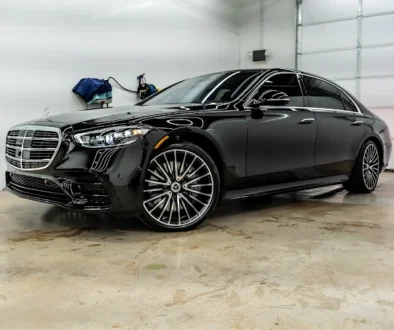
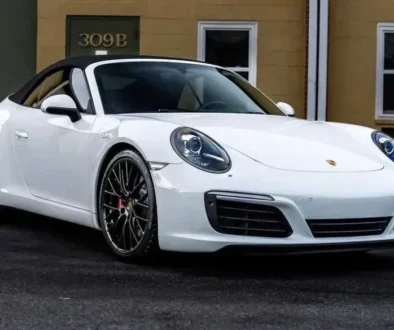
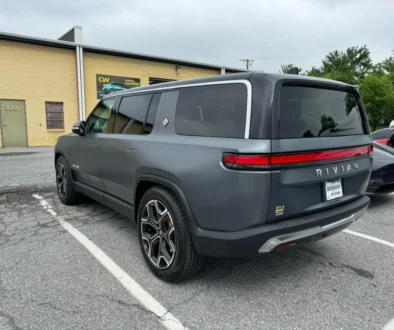
Vehicle wraps have exploded in popularity across the DMV as Tesla, Cybertruck, Corvette, and Rivian owners look for ways to transform their cars without permanently painting them. Capital Wrappers has been installing custom color changes, matte finishes, and commercial wraps in Rockville since 2015. This guide breaks down real wrap lifespan by vinyl type, finish, and daily care habits, so you know exactly what to expect from your investment.
Quick Answer: The Real Lifespan Range in 2026
Here is the honest answer up front. A professionally installed vehicle wrap using quality vinyl typically lasts 5 to 7 years. Premium cast vinyl on a garaged car with careful care can push that to 8 to 10 years or even longer. Budget vinyl or DIY jobs may only last 1 to 3 years before showing serious wear.
The gap between those numbers comes down to three real factors: the quality of the vinyl, the skill of the installer, and how you care for the wrap after. Everything else in this guide is a deeper dive into those three factors.
Vehicle Wrap Lifespan by Vinyl Quality Tier
Not all vinyl is equal. Here is what to expect from each tier of material on the market today.
Budget and DIY Vinyl
Cheap vinyl sold online for $100 to $300 per roll typically lasts 1 to 3 years at best. DIY installers using this material often see peeling, bubbling, and fading within the first year. The material is thinner, the adhesive is weaker, and the color-stability additives are minimal. Great for a temporary look, but not a serious long-term wrap.
Mid-Range Calendered Vinyl
Mid-tier calendered vinyl from established manufacturers lasts 3 to 5 years when professionally installed. This tier works well for short-term applications like commercial fleet vehicles being replaced regularly, or drivers who want to change their car’s look every few years. The vinyl is thicker and more durable than budget options but shrinks and cracks faster than cast vinyl.
Premium Cast Vinyl
Premium cast vinyl from top brands like 3M, Avery Dennison, and KPMF lasts 5 to 7 years in real-world conditions. This is the standard for professional color-change wraps. Warranties from these manufacturers typically run 5 to 7 years, and the material handles temperature swings, UV exposure, and daily wear far better than calendered options.
Ultra-Premium Long-Warranty Vinyl
Top-grade cast vinyl products can last 7 to 10 years or more in ideal conditions. Garaged cars, mild climates, and careful hand-washing routines can push wrap life beyond a decade in some cases. The upfront cost is higher, but the cost-per-year math often works out better than replacing cheaper wraps every 3 years. Reputable vehicle wraps in Rockville, MD shops offer this tier for drivers who want maximum longevity.
Vehicle Wrap Lifespan by Finish Type
The finish matters just as much as the quality tier. Different finishes wear differently over time.
Gloss Wraps
Gloss wraps offer the highest-shine finish, mimicking a fresh paint job. They typically last 5 to 7 years and often longer with premium vinyl. Gloss is also the most forgiving finish to care for, since you can safely use most car care products on it. This is why gloss remains the most popular color-change choice.
Satin Wraps
Satin wraps sit between gloss and matte with a smooth, refined shine. They typically last 3 to 5 years with proper care. Satin requires slightly more careful cleaning since certain waxes and polishes can leave residue that changes the look. Not as forgiving as gloss, but a distinctive premium finish.
Matte Wraps
Matte wraps offer a completely flat finish with no shine. They typically last 3 to 5 years with proper care. Matte is the most demanding finish to maintain since fingerprints, oils, and any wax residue show up as glossy spots. Cleaning products must be matte-safe, or the finish gets ruined. Still, many drivers love the stealth aggressive look.
Chrome and Specialty Wraps
Chrome, holographic, and other specialty wraps have the shortest lifespan, typically 1 to 3 years. The reflective particles in chrome vinyl are delicate and fade quickly under UV exposure. These finishes are for drivers who want maximum impact and are willing to replace the wrap more often. Excellent for events, shows, and custom builds but not long-term daily driving.
Cast Vinyl vs Calendered Vinyl: Why It Matters
This is the single biggest factor in wrap lifespan that most drivers do not understand. Here is the difference explained clearly.
How Each Type Is Made
Calendered vinyl is manufactured by pressing plastic sheets through heated rollers, which stretches the material and creates internal tension. Over time, that tension causes the vinyl to shrink back to its original shape, which pulls at edges and causes lifting.
Cast vinyl is made by pouring liquid PVC onto a casting sheet and letting it cure. No stretching, no internal tension. The result is a stable, thin, conformable film that stays flat and adheres well for years.
Why Cast Vinyl Lasts Longer
Cast vinyl typically lasts 2 to 3 times longer than calendered vinyl in real-world conditions. It handles curves better, resists shrinkage, and holds color longer under UV exposure. Every reputable installer uses cast vinyl for full color-change wraps. Anyone getting quoted on calendered vinyl for a full car should ask why. Trusted car wrap installers in Rockville, MD work primarily with premium cast vinyl for this reason.
Factors That Shape Your Wrap’s Real Lifespan
Two identical wraps installed on the same day can have very different lifespans. Here is why.
Installation Quality
The single biggest lifespan factor is the install itself. Improper surface prep, dust trapped under the vinyl, poor edge sealing, and rushed work all lead to premature failure. A great install in a clean shop can add years to any wrap. A rushed install in a dusty garage kills even premium vinyl within a year or two.
Sun and UV Exposure
UV rays are the number one enemy of any vinyl wrap. Cars parked outside in full sun face constant material breakdown, faster color fading, and adhesive weakening. Cars kept in garages or under carports last significantly longer. Even a few hours of shade per day makes a real difference over years.
Washing Habits
How you wash the car matters as much as what vinyl is under the film. Automatic brush washes are the fastest way to destroy a wrap. Pressure washing at close range or high PSI can lift edges. Harsh chemicals break down the vinyl. Hand washing with pH-neutral shampoo and soft microfiber is the safe, correct approach.
Garage vs Outdoor Parking
This is worth its own factor because the impact is so large. Garaged wraps typically last 2 to 3 years longer than outdoor-parked wraps of the same material. Access to covered parking? Use it. No garage available? A car cover or shaded parking spot adds meaningful years to your wrap.
Signs Your Wrap Is Ready for Replacement
Wraps do not usually fail overnight. They give you clear warning signs first.
Fading and Color Shift
The first visible sign is color fading, especially on horizontal surfaces like the hood and roof that get the most sun. Dark colors and specialty finishes fade faster than lighter colors. Uneven fading across panels is a clear sign the wrap has reached the end of its useful life.
Edge Lifting and Peeling
Small edge lifts near door jambs, wheel wells, or panel seams are early warning signs. Caught quickly, small lifts can be re-adhered with heat. Left alone, they grow into full peels. Reputable color change wraps in Rockville, MD shops usually offer post-install inspections to catch these issues early.
Cracking and Brittleness
Vinyl that has aged out becomes brittle and cracks under stress. You may notice small hairline cracks around body lines, near edges, or on high-flex areas like bumpers. Once cracking starts, replacement is the only fix.
How to Extend Your Wrap’s Life
Smart care habits can push your wrap past its expected lifespan. Here is exactly what to do.
Wash Right, Wash Often
Hand wash every 2 to 3 weeks with a pH-neutral car shampoo and a soft microfiber wash mitt. Use the two-bucket method with one bucket for soapy water and one for rinsing the mitt. Rinse well and dry with clean microfiber towels. Never let bird droppings, tree sap, or bug splatter sit on the wrap for more than 24 to 48 hours.
Skip the Automatic Car Washes
Automatic brush washes are the fastest way to lift edges and dull the finish. Even touchless washes can push water into edges at high pressure and cause damage over time. Hand washing at home or at a reputable detail shop is always the safer choice for a wrap.
Protect With a Ceramic Coating Overlay
Ceramic coating designed for vinyl wraps adds another 1 to 2 years to wrap life. The coating protects the vinyl from UV rays, chemicals, and light abrasion. It also makes cleaning easier since dirt and water bead off the surface. Most premium shops offer wrap-safe ceramic coating as an add-on service.
DMV-Specific Wrap Care Considerations
Rockville and the wider DMV area come with their own set of climate challenges that affect wrap lifespan.
Maryland Summers and Humidity
DMV summers are hot, humid, and long. Wraps parked outside in Bethesda, Rockville, or McLean summer sun face intense UV exposure that accelerates fading. Humidity can also affect adhesive performance over years. Garaging or covered parking during peak summer months makes a real difference in wrap lifespan.
Winter Salt on I-270 and I-495
Maryland uses road salt on major highways during snow and ice events. Salt residue that dries on the wrap can slowly weaken the adhesive and dull the finish. Rinsing the car after any driving on salted roads is a smart habit for wrap owners. Winter is when premium wrap materials and careful care really show their value.
How Capital Wrappers Handles Vehicle Wraps
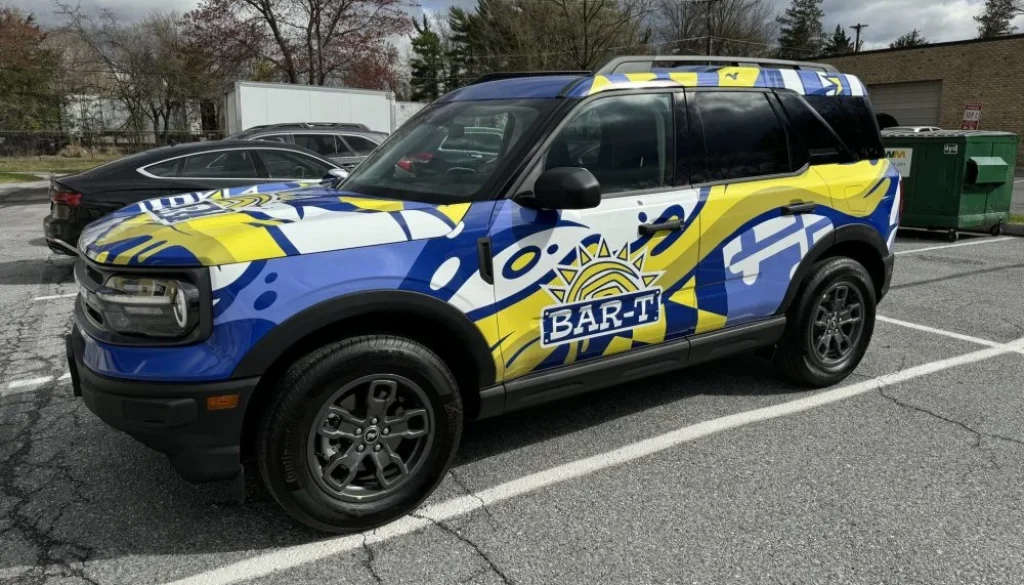
Every vehicle wrap job at Capital Wrappers starts with a design conversation and material selection based on your goals. Are you looking for a permanent color change on a Tesla or Cybertruck? A commercial branding wrap for a business fleet? A wild specialty finish for a show car? Different goals require different vinyl types, and owner Yurii Mazurok walks every client through the tradeoffs.
The shop uses premium cast vinyl from established manufacturers, applied in a clean environment with careful surface prep and edge wrapping. Every full-coverage wrap comes with a 1-year craftsmanship guarantee, and detailed care instructions go home with the vehicle. Drivers looking for professional vehicle wrapping in Rockville, MD, get honest quotes, transparent timelines, and expert application backed by 10+ years of experience and 20+ years combined team expertise.
The Real Story Behind Common Wrap Myths
“A vehicle wrap will destroy your factory paint.” Actually, the opposite is true. A properly installed wrap protects the original paint from UV rays, minor scratches, and light abrasions. When removed professionally, the paint underneath often looks better than the surrounding uncovered areas. Only bad installs or damaged pre-existing paint create problems at removal.
“All wraps look the same after a few years.” Not even close. Premium cast vinyl on a garaged car can still look showroom-fresh at year 7. Cheap calendared vinyl on an outdoor daily driver may look faded and cracked by year 2. The material and care differences show up dramatically over time.
“You can wash a wrap the same way as painted cars.” Not quite. Wraps need gentler care than paint. No automatic brush washes, no pressure washing at close range, no harsh chemicals, no wax on matte or satin finishes. The care rules are different, and following them extends wrap life significantly.
“A vehicle wrap is a cheaper alternative to paint.” Yes and no. A full color-change wrap costs $3,000 to $8,000 depending on the vehicle and vinyl choice. A comparable custom paint job costs $8,000 to $15,000 or more. So the wrap is cheaper upfront, but it also has a shorter lifespan. Over 15 years, the math evens out. What wraps really offer is reversibility and design flexibility, not necessarily long-term savings.
Final Words
A vehicle wrap can be a truly great investment when done right with the right materials and proper care. Premium cast vinyl professionally installed and carefully cared for can deliver 5 to 7 years of head-turning color, sometimes stretching to 8 or 10 years for garaged luxury cars. Budget vinyl or careless care can cut that lifespan in half. The keys are picking a reputable shop, choosing premium material, matching the finish to your care commitment, and following simple maintenance habits. Do these right and your wrap will look sharp for years while protecting the paint underneath.
Ready for a Wrap That Actually Lasts
Great wraps start with great vinyl, skilled hands, and honest guidance. Reach out to Capital Wrappers for a free consultation on your color-change, matte finish, or commercial wrap project. The team walks you through material options, finish choices, and care expectations before any work begins. Every quote is firm and written down, with 10+ years of experience behind every install.
Frequently Asked Questions
Can a vehicle wrap be removed without damaging the paint?
Yes, when installed on paint in good condition and removed professionally. Modern cast vinyl comes off cleanly with controlled heat, leaving the original paint intact. Damage only happens when the underlying paint was already compromised before the wrap went on, or when a rushed removal uses too much force.
Does a vehicle wrap need to cure like ceramic coating or PPF?
Not in the same chemical way, but the adhesive does need time to set. Most installers recommend avoiding car washes for the first 48 to 72 hours after install. This gives the adhesive time to fully bond with the paint. Follow the shop’s care instructions closely during the first week.
Can I wrap over factory paint that has minor scratches or rock chips?
Yes, small imperfections are usually fine and often become less visible under the wrap. Deep scratches, oxidation, or damaged clear coat should be addressed before wrapping. A good shop will inspect the paint and recommend any prep work needed for a clean install.
Is a partial wrap ever a good option, or should I always go full body?
Partial wraps work great for accents, roof-only jobs, hood stripes, and chrome delete details. For a complete color change, full body is the standard. Partial jobs are also more affordable for drivers who want to test a color or finish before committing to a full wrap.
What happens to a wrap in extreme heat or cold?
Premium cast vinyl handles temperature extremes well within normal ranges. Very hot surfaces can cause vinyl to become more flexible, and extreme cold can make it more brittle. Under normal DMV weather conditions, premium vinyl performs consistently across all seasons. The key is proper installation with well-sealed edges to prevent any temperature-related issues.