Ceramic Coatings vs. Traditional Wax: Which Offers Better Protection?

If you’ve ever wondered whether to go with ceramic coating or just stick with traditional wax, you’re not alone. It’s a common question among car owners who care about their paint job—and trust us, you should care. Your vehicle’s exterior is constantly exposed to the elements, and protecting it isn’t just about looking good—it’s about preserving its value. At Capital Wrappers, we deal with this question every day, so let’s break it all down in a way that actually makes sense.
This article will dive into everything you need to know. We’ll talk about the pros and cons of both ceramic coatings and wax, how long each lasts, what kind of protection they really offer, and even which one might be better depending on your lifestyle. So buckle up—we’re about to make this decision a whole lot easier for you.
What Exactly Is a Ceramic Coating?
Ceramic coating is essentially a liquid polymer that chemically bonds with your car’s factory paint. It creates a layer of protection that’s incredibly durable and hydrophobic, meaning it repels water and dirt like a champ. Once it cures, it’s not going anywhere unless you polish it off or wear through it with time and abrasion.
Unlike wax, ceramic coating doesn’t just sit on top of the paint—it becomes part of it. That’s why it lasts so much longer and provides superior resistance to things like UV rays, bird droppings, tree sap, and chemical stains. At Capital Wrappers, we use high-quality ceramic coatings that offer multi-year protection when applied correctly.
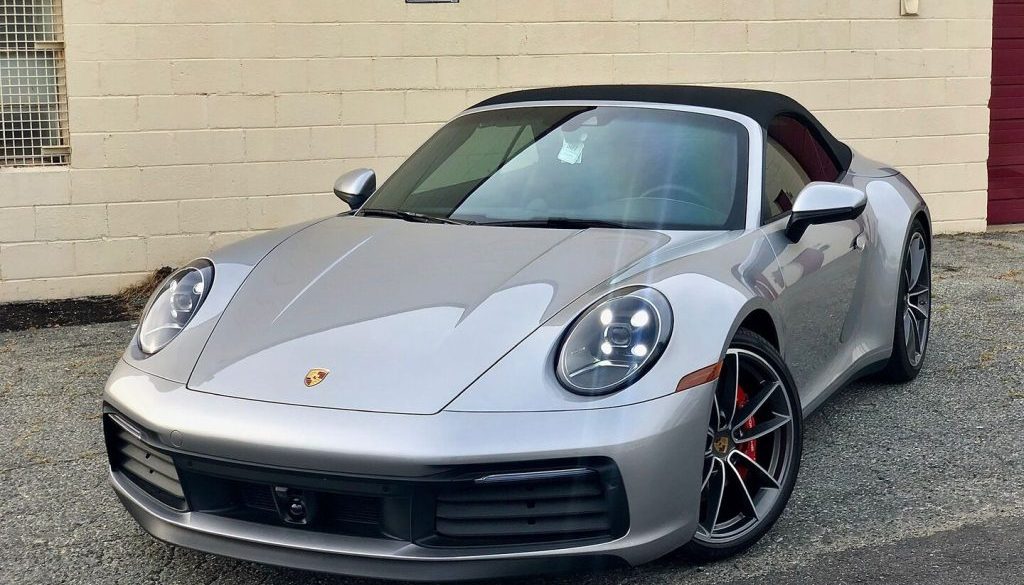
One of the most attractive features is how your car looks after it’s been coated. Think glossy, deep, mirror-like finishes that stay cleaner longer and make every car wash easier. It’s not magic—it’s just cutting-edge chemistry done right.
What Is Traditional Wax, and Why Has It Been So Popular?
Wax has been the go-to for car enthusiasts for decades, and there’s a reason for that. It’s relatively inexpensive, easy to apply, and gives your car a nice, shiny finish. Most waxes are made from natural substances like carnauba wax or synthetic polymers that provide a thin layer of protection on your paint.
The appeal of wax lies in its simplicity. You can apply it by hand at home, and you’ll see immediate results in terms of shine and slickness. For people who love that weekend driveway detail, waxing has a certain charm. It’s satisfying, it smells good, and it’s a labor of love.
But—and this is a big one—wax just doesn’t last. We’re talking about a couple of weeks to a couple of months tops. It can’t handle high temperatures, harsh chemicals, or abrasive elements the way ceramic coatings can. That means you’re reapplying often, and that adds up.
Durability: Which One Lasts Longer?
Let’s be blunt—ceramic coatings win this round hands down. A professionally applied ceramic coating can last anywhere from two to five years or more depending on the product, the prep work, and how you maintain it. That’s serious longevity that wax can’t even dream of matching.
Traditional waxes, on the other hand, start to break down after just a few weeks of exposure to sun, rain, or road grime. Even high-end synthetic waxes usually top out at three to six months before needing a refresh. If you live in an area with extreme weather or drive frequently, that protection won’t stick around for long.
So if your goal is long-term protection with minimal upkeep, ceramic coating is your answer. You won’t have to constantly reapply, and your car will stay protected for the long haul. At Capital Wrappers, we’ve seen ceramic-coated vehicles looking fantastic years after application.
Protection from UV Damage and Oxidation
Sunlight might feel great on your skin, but it’s no friend to your car’s paint. Over time, UV rays break down the clear coat and cause oxidation, leading to fading, dullness, and eventually permanent damage. This is where both ceramic coating and wax try to play superhero, but one has a better cape.
Ceramic coatings are like sunscreen with a serious SPF. They form a hardened barrier that reflects UV rays and prevents them from penetrating the clear coat. The result? Your car retains its color and gloss for years without fading. Capital Wrappers applies premium ceramic coatings that block out the majority of harmful UV radiation.
Wax does offer some UV protection, but it’s nowhere near as robust. It’s more of a short-term solution, like using a beach umbrella instead of wearing sunscreen. It might help a little, but it’s not enough if you’re leaving your car exposed to the sun regularly.
Water and Dirt Repellency: Who’s More Hydrophobic?
You know that satisfying moment when water beads up and rolls right off your car? That’s called hydrophobicity, and ceramic coatings are the king of this effect. Once cured, a ceramic-coated car repels water, mud, road salt, and just about anything else nature throws its way.
This not only helps keep your car cleaner for longer, but it also makes washing a breeze. Dirt has a harder time sticking to the surface, and you’ll notice how much easier it is to get that spotless finish. It’s like turning your car into a non-stick frying pan for grime.
Wax does offer some water beading, but it’s less intense and far more temporary. After a couple of rains or washes, that slick finish fades fast. If you’re tired of constantly battling water spots and streaks, ceramic coating is the no-brainer.
Scratch Resistance and Chemical Protection
Let’s clear something up—no coating can make your car scratch-proof. But ceramic coatings do offer a level of scratch resistance, especially against those annoying light swirls caused by towels, brushes, or car washes. It’s like giving your paint a lightweight armor.
Ceramic coatings also protect against chemical etching from acidic contaminants like bird droppings, bug splatter, or tree sap. These substances can eat into your clear coat and leave permanent marks, but a ceramic layer acts as a barrier that gives you more time to clean them off before damage sets in.
Traditional wax just can’t compete in this arena. While it offers some basic shielding, it’s far more vulnerable to abrasion and chemical attack. If you’re someone who parks outdoors often or lives in an area with harsh environmental factors, ceramic coatings are a smarter move.
Ease of Maintenance
Here’s where ceramic coatings really shine—literally and figuratively. When your car is coated, maintenance becomes a whole lot simpler. Washing your car takes less time, less water, and fewer products. You might even start to enjoy cleaning your car again.
Because the coating repels dirt and grime, you won’t need to wash as often. And when you do, contaminants slide right off without scrubbing. At Capital Wrappers, our customers love how ceramic coatings cut their maintenance time in half.
Wax, while it makes your car look slick initially, requires much more hands-on upkeep. You’ll find yourself reapplying frequently and dealing with buildup, streaks, and uneven surfaces. It’s labor-intensive and not nearly as satisfying in the long run.
Application Process: DIY or Professional?
You can technically apply both wax and ceramic coatings at home, but the difference in effort and results is huge. Wax is a quick weekend project—just apply, buff, and go. It doesn’t require special tools or extensive prep work.
Ceramic coatings, on the other hand, are a serious undertaking. Surface prep must be meticulous, including washing, decontaminating, and polishing. If done improperly, you can lock in imperfections. That’s why professional installation is highly recommended.
At Capital Wrappers, our team handles every step with precision. From paint correction to coating application, we ensure your vehicle gets a flawless finish that performs as well as it looks. It’s an investment, but one that pays off in the long run.

Cost Comparison: Short-Term vs. Long-Term Value
Wax wins the budget-friendly battle upfront. You can pick up a tin for under $20, and it’ll last a few applications. If you’re on a tight budget and don’t mind regular reapplications, it’s an affordable way to boost shine.
But ceramic coating, while more expensive initially, offers far more value over time. A professional-grade application at Capital Wrappers might run several hundred dollars, but you’re getting protection that lasts for years, not months. No more buying new wax or spending every weekend detailing.
Think of it like buying quality hiking boots. Sure, the cheap pair might work for one trip, but the better investment is the one that lasts and performs through every condition. If you value your time and your vehicle’s appearance, ceramic coating is the smarter financial choice long-term.
Which One Looks Better?
Both options enhance the look of your vehicle, but in different ways. Wax gives your paint a warm, deep shine that looks great in the short term. It’s perfect for car shows or weekends where you want that classic, glowing finish.
Ceramic coatings deliver a sleek, high-gloss finish that lasts. It’s not just about shine—it’s about clarity and depth. Your paint looks richer, smoother, and more vibrant under sunlight, and it stays that way with minimal effort.
Capital Wrappers customers often say their vehicles look brand new even a year after coating. That’s not an exaggeration—it’s the power of professional ceramic protection done right.
Environmental Considerations
If you’re concerned about the environment, you might want to rethink your go-to wax routine. Many wax products contain petroleum-based solvents and need frequent reapplication, which can increase waste and pollution over time.
Ceramic coatings, when professionally installed, are a more sustainable solution. They last longer, reduce your need for water and detailing products, and minimize runoff from constant car washing. It’s a smarter approach for eco-conscious car owners.
At Capital Wrappers, we use eco-friendly ceramic products that are safe, effective, and long-lasting. It’s one more way we’re helping protect your vehicle—and the planet.
Ideal Users for Each Option
If you’re someone who enjoys frequent detailing and doesn’t mind spending weekends pampering your car, traditional wax might be just fine for you. It’s cost-effective, simple, and nostalgic for many auto lovers.
But if you’re a busy driver who wants long-term results without constant upkeep, ceramic coatings are the better choice. They offer set-it-and-forget-it convenience with maximum protection and aesthetics.
At the end of the day, it’s all about your lifestyle. And if you’re unsure, the team at Capital Wrappers is always happy to walk you through your options.
Final Thoughts: Which One Truly Offers Better Protection?
So what’s the verdict? When it comes to real-world, long-lasting protection for your car’s paint, ceramic coatings are the clear winner. They outshine wax in durability, weather resistance, ease of maintenance, and overall performance.
Traditional wax still has its place—especially for those who enjoy hands-on detailing or want a temporary boost in shine. But for serious protection and professional results, ceramic coatings are worth the investment.
Capital Wrappers has helped hundreds of drivers protect their vehicles the smart way with expertly applied ceramic coatings. Ready to give your car the defense it deserves? We’ve got you covered.
Frequently Asked Questions
- Can I apply ceramic coating over wax?
No, ceramic coatings need a clean, bare surface to bond properly. Wax must be fully removed before application. - How long does it take to apply a ceramic coating?
Professional ceramic coating applications usually take 1–2 days depending on prep work and curing time. - Does ceramic coating eliminate the need to wash my car?
No, but it makes washing much easier and less frequent. Dirt and grime won’t stick as easily to the coated surface. - Can I wax my car after applying ceramic coating?
It’s not recommended. The coating itself is designed to enhance shine and protection, so waxing isn’t necessary. - How do I maintain my ceramic-coated car?
Use pH-neutral soaps, avoid abrasive tools, and schedule occasional inspections for optimal performance.