How Window Tinting Helps Reduce Eye Strain on Bright Sunny Days
Driving on a sunny day often feels refreshing, but prolonged exposure to harsh light quickly turns uncomfortable. The constant glare bouncing off windshields, dashboards, and surrounding cars forces your eyes to work harder. This strain isn’t just tiring—it can reduce focus and compromise safety behind the wheel.
One effective solution is window tinting, which helps by reducing glare and filtering harmful rays. Tinted windows create a more balanced lighting environment inside the vehicle, easing the pressure on the eyes and making long drives less fatiguing. Beyond comfort, this practice also supports healthier vision and a safer driving experience during bright conditions.
Understanding Eye Strain in Driving Conditions
Why Bright Sunlight Affects Vision
When sunlight strikes the windshield, it scatters and enters your eyes at sharp angles. This constant scattering forces rapid adjustments, making it difficult to keep your focus steady. Over time, the struggle against glare creates stress for your eyes and body. Window tinting reduces this harsh scatter, allowing for a smoother and calmer visual experience.
Common Symptoms of Eye Strain While Driving
Eye strain from strong sunlight shows up in multiple ways while driving. Common signs include watery eyes, repeated squinting, and blurred vision. For some drivers, prolonged exposure even causes headaches or migraines. By reducing glare, window tinting lowers these risks and helps drivers remain alert and comfortable on the road.
The Science Behind Window Tinting
How Tint Films Filter Light
Window Tinting Rockville uses advanced films designed to manage the strength of sunlight. Instead of letting all harsh rays pass through, these films filter them while still allowing safe levels of natural light. The result is balanced brightness that feels more comfortable to the eyes. This makes driving clearer and less tiring even on bright, sunny days.
The Role of UV and Infrared Blocking
Modern window tinting goes beyond glare control by adding UV and infrared protection. Blocking UV rays helps protect your eyes and skin from long-term damage. Infrared rejection lowers interior heat, which otherwise amplifies glare and discomfort. Together, these benefits create a safer, cooler, and more enjoyable driving experience every time you hit the road.

Connection Between Sunlight and Driver Fatigue
The Impact of Glare on Reaction Times
Glare interferes with how quickly the eyes process details. This slows recognition of hazards like traffic signs or sudden braking. Even a brief delay increases risks during heavy traffic.
How Eye Strain Contributes to Driving Stress
Fighting harsh sunlight makes driving physically and mentally harder. Squinting, tightening muscles, and losing focus all add up to fatigue. Over time, even short trips can feel stressful and draining.
How Window Tinting Reduces Glare
Balanced Light Transmission
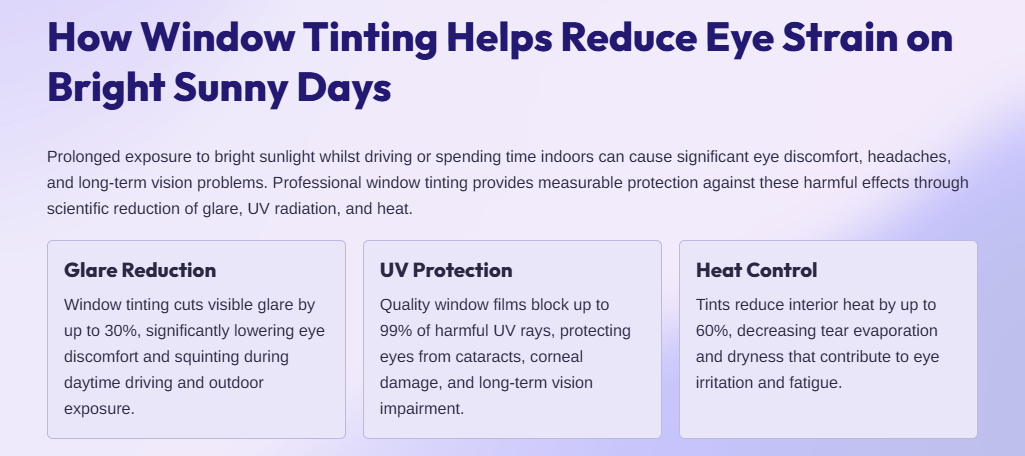
Tinting doesn’t just darken glass—it balances light entering the cabin. By filtering sharp rays, it creates a softer and steadier brightness. This prevents the eyes from constantly over-adjusting in strong sunlight.
Consistent Visibility Across Different Angles
Sunlight comes from many angles throughout the day. Quality tint films maintain visibility whether the sun is high overhead or low on the horizon. This keeps the driver’s view stable at all times.

Protecting Vision with Window Tinting
Reducing Long-Term Eye Damage from UV Exposure
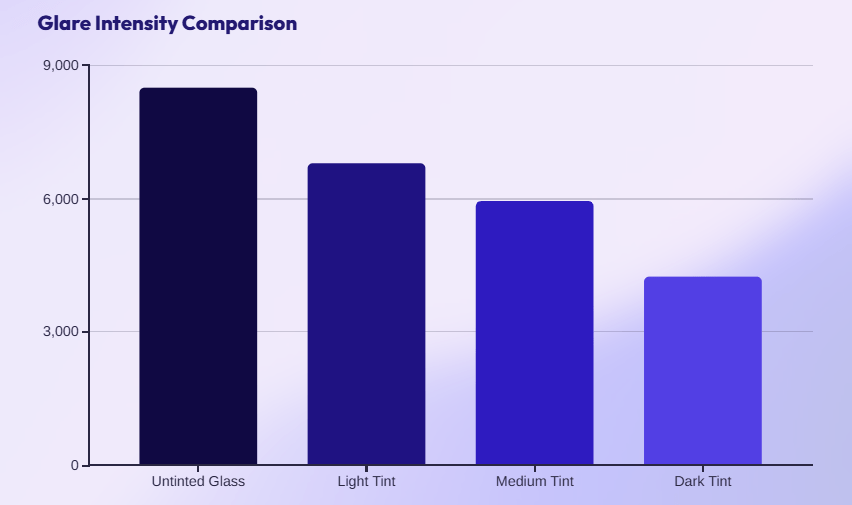
Prolonged UV exposure while driving can damage sensitive eye tissues. Tint films block nearly all harmful UV rays, helping preserve long-term vision. This protective layer benefits both drivers and passengers daily.
Supporting Eye Comfort on Long Journeys
Long road trips often leave eyes tired from hours of brightness. Tinting softens the light, reducing fatigue and keeping vision more relaxed. Passengers also enjoy a calmer and more comfortable ride.
Types of Window Tinting Films for Eye Comfort
Dyed Films and Their Limitations
Dyed films absorb sunlight through colored layers but fade over time. They reduce glare but lose effectiveness under harsh sunlight. Drivers seeking lasting clarity often look for better-performing options.
Carbon Films and Balanced Performance
Carbon tint block infrared rays, reducing heat inside the car. They maintain strong visibility without interfering with signals like GPS. Many drivers choose carbon films for their mix of durability and balance.
Ceramic Films for Maximum Clarity
Ceramic films are considered the best for reducing eye strain. They block both UV and infrared rays while preserving crystal-clear visibility. Capital Wrappers often recommends ceramic films for drivers focused on eye comfort.
Psychological Benefits of Reduced Eye Strain
Increased Confidence While Driving
Drivers feel more confident when glare is no longer overwhelming. With eyes more relaxed, it’s easier to concentrate on the road ahead. This confidence leads to safer and smoother driving experiences.
Improved Focus and Alertness
Lowering eye strain also improves mental focus. Comfortable eyes are quicker to react and stay sharp on long commutes. Alertness is a key benefit of window tinting for everyday drivers.
Safety Advantages Linked to Reduced Eye Strain
Better Hazard Detection on Bright Roads
Glare often hides small but important details like lane lines or obstacles. Tinting restores contrast so those details are easier to spot. With faster recognition, drivers can avoid potential hazards more effectively.
Lower Risk of Accidents in Sun-Heavy Areas
Accidents related to glare are more common in sunny regions. Window tinting reduces this risk by improving visibility and driver focus. Safer vision directly supports safer roads for everyone.
Seasonal Considerations for Eye Strain
Summer Driving and Heat-Intense Glare
Summer brings long days of strong sunlight and heavy glare. Combined with heat, this creates uncomfortable conditions for the eyes. Tinting balances brightness and keeps the cabin cooler.
Winter Sunlight and Low-Angle Reflections
In winter, the sun sits lower, causing sharp reflections off ice and snow. This low-angle glare can be even more intense than summer light. Window tinting softens the impact and keeps driving safer.
Window Tinting and Passenger Comfort
Reducing Discomfort for Front and Rear Passengers
Passengers are also exposed to strong sunlight through side windows. Tint films reduce discomfort by creating a more balanced interior light. This makes rides more enjoyable for everyone.
Protecting Children from Bright Glare
Children’s eyes are more sensitive to sunlight than adults’. Tinting shields them from glare while also blocking UV rays. Families benefit from greater comfort and safer travel conditions.
Myths About Window Tinting and Visibility
Myth: Tinting Makes Vision Harder in Daylight
Some assume tinting makes it harder to see during the day. In fact, quality films filter glare without reducing clarity. Drivers often report sharper, not dimmer, vision compared to untreated glass.
Myth: Window Tinting Is Only for Style
Tinting does improve the look of a car, but its benefits go far deeper. It protects eyes, enhances safety, and improves overall comfort. Style is simply a secondary benefit to its protective role.
Why Professional Installation Matters
Avoiding Bubbles and Streaks
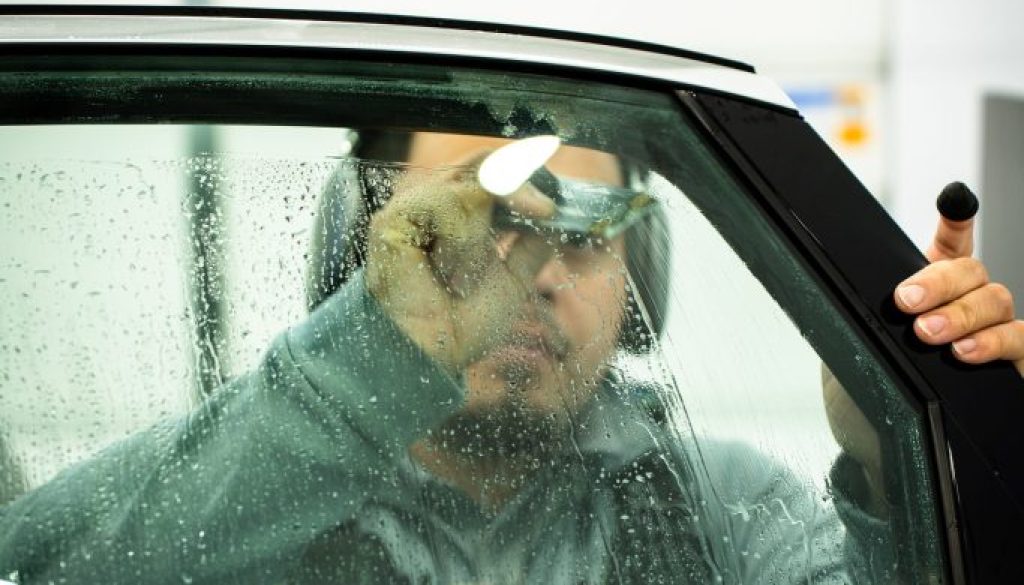
Poor installation creates bubbles and streaks that distort visibility. These flaws reduce the effectiveness of even the best films. Professional installers ensure a smooth finish for lasting clarity.
How Capital Wrappers Ensures Lasting Results
At Capital Wrappers, skilled installers use premium materials and precise techniques. Their expertise guarantees clear and durable results. Drivers can trust they’re receiving reliable protection against glare.
Capital Wrappers Serving the Carderock Springs and Beyond in Rockville,MD
Capital Wrappers is dedicated to serving the diverse needs of the local community of Rockville, MD including individuals residing in neighborhood like Carderock Springs With its convenient location near landmarks such as the Seven Locks Local Park, Carderock Springs Neighborhood Conservation Area and major intersections like Persimmon Tree Rd & Esgen Dr and Seven Locks Rd & Lilly Stone Dr (coordinates:38.98089481893346, -77.17656855544654)
Get window tinting Services Carderock Springs at Now
Call Us :+(301) 417-5977
Navigate from Carderock Springs to Capital Wrappers Now
How Window Tinting Helps Reduce Eye Strain on Bright Sunny Days?
- Glare Reduction: Window tinting cuts visible glare by up to 30%, significantly lowering eye discomfort and squinting during daytime driving and outdoor exposure. [Suggested chart: Bar graph comparing glare intensity with and without tinting]
- UV Protection: Quality window films block up to 99% of harmful UV rays, protecting eyes from cataracts, corneal damage, and long-term vision impairment. [Suggested chart: Pie chart showing % UV blocked by tinted vs untinted glass]
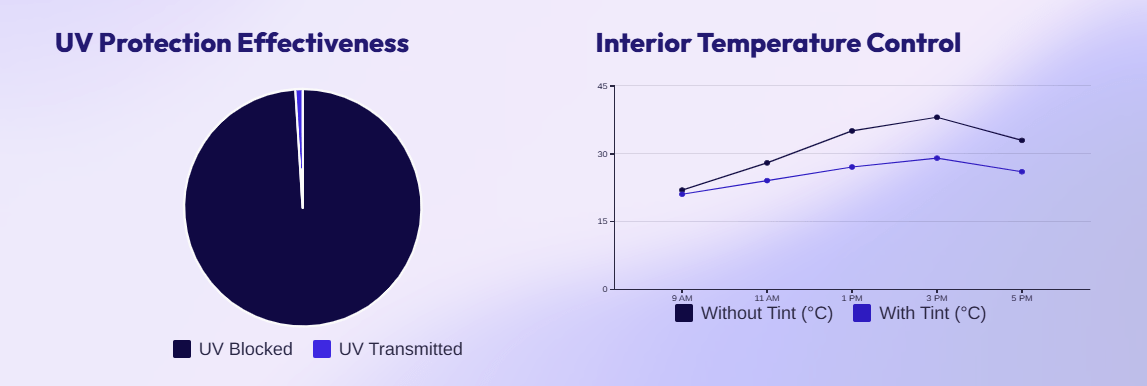
- Heat & Infrared Control: Tint reduce interior heat by up to 60%, decreasing tear evaporation and dryness that contribute to eye irritation and fatigue. [Suggested chart: Line graph of cabin temperature vs time with/without tint]
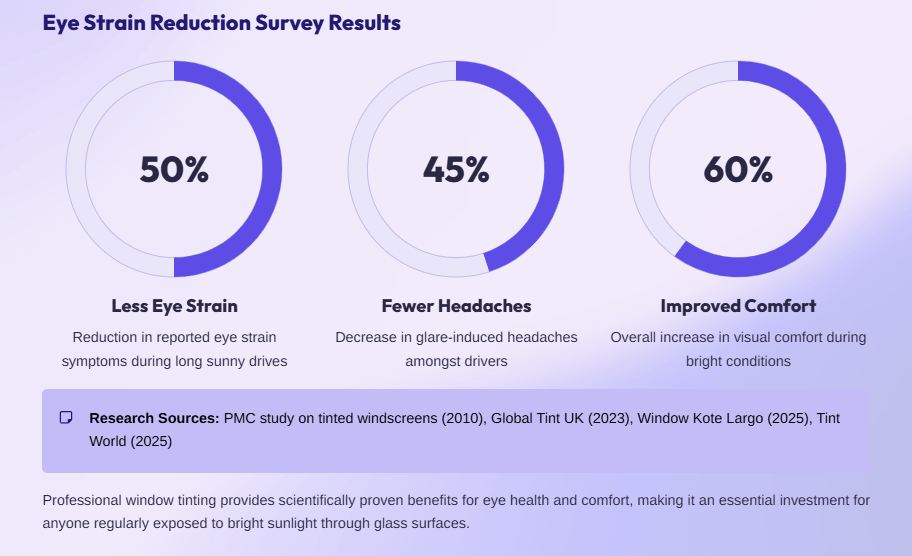
- Eye Strain & Fatigue: Drivers report up to 50% less eye strain and fewer headaches on long sunny drives with tinted windows, improving comfort and safety. [Suggested chart: Survey results on eye strain symptoms before/after tint installation]
Sources: PMC study on tinted windshields (2010), Global Tint UK (2023), Window Kote Largo (2025), Tint World (2025) Visual tip: Use contrasting colours for tinted vs untinted data to emphasise benefits clearly.
Long-Term Benefits for Daily Driving
Reduced Fatigue Over Time
Window tinting reduces daily eye strain, which lowers fatigue over the years. Drivers reach their destinations more alert and less drained. This benefit grows stronger with consistent use.
Consistent Comfort in Every Season
From summer glare to winter reflections, tinting keeps performance steady. Drivers experience the same comfort no matter the season. It’s a year-round solution for clear and safe driving.
FAQs
Can window tinting completely stop glare?
Not entirely, but it greatly reduces glare intensity for safer, more comfortable driving.
Does tinting help at sunrise and sunset?
Yes. High-quality films filter low-angle light that causes the most strain during these times.
Which tint film is best for sensitive eyes?
Ceramic films are ideal because they block UV rays and provide excellent clarity.
Will passengers also benefit from tinting?
Absolutely—everyone in the vehicle enjoys reduced glare and better comfort.
How does Capital Wrappers ensure quality results?
They use premium tint films and expert installers to deliver flawless, long-lasting protection.