How Ceramic Coating Helps Reduce Oxidation and Fading Over Time
Ceramic coating is a smart way to slow paint oxidation and fading over time. Sunlight, oxygen, heat, and road grime all attack your clear coat day after day. As bonds in the clear coat weaken, color turns dull and chalky. Ceramic coating steps in as a tight, thin barrier.
It limits how much UV light and oxygen can reach the paint below. That simple change delays the chain reactions that age your finish.
This protective layer also repels water and dirt. Droplets bead up and roll off, carrying grit away instead of letting it sit and stain. Fewer stuck contaminants means fewer chances for chemical damage. With routine washing, the coated surface stays smoother for longer.
That smoothness keeps gloss high and makes the color look rich. In short, ceramic coating reduces the causes of fading at their source—UV stress, oxygen contact, and residue buildup—so your vehicle keeps its shine and depth through seasons, mileage, and weather.
Understanding Why Vehicle Paint Fades and Oxidizes
What Oxidation Means for Automotive Paint
Oxidation is a chemical reaction that occurs when oxygen molecules interact with the clear coat of a car’s paint. Over time, this weakens the protective layer, leaving the color underneath exposed. The surface begins to lose its shine, turning chalky and rough. Without protection, oxidation spreads across the panels and reduces both appearance and durability.
Key Factors Behind Oxidation and Color Loss
Several environmental elements accelerate oxidation. Direct sunlight is one of the most damaging, as UV rays break down paint molecules. Acid rain and airborne chemicals settle on surfaces, speeding up deterioration. Poor maintenance habits, such as infrequent washing, allow contaminants to linger. In colder areas, road salt contributes by corroding clear coats and leaving paint vulnerable.
How UV Rays Break Down Paint Pigments
UV radiation is the biggest culprit in fading. When rays hit a vehicle, they disrupt the chemical bonds that give paint its vibrant color. Darker shades absorb more heat and fade faster than lighter tones. Over time, even high-quality finishes lose depth and vibrancy. Without a protective barrier, cars left under the sun will inevitably look older than they are.
The Science Behind Ceramic Coating
What Ceramic Coating Is and How It Works
Ceramic Coating Rockville is a liquid polymer applied to a car’s exterior. Once cured, it forms a permanent or semi-permanent bond with the paint’s clear coat. This bond creates a protective surface that shields against oxidation, UV rays, and contaminants. Unlike wax, which wears off quickly, ceramic coating lasts for years when applied correctly.
The Chemical Bond with the Clear Coat
The strength of ceramic coating lies in how it fuses with a vehicle’s clear coat. Instead of sitting on the surface, the coating chemically integrates, creating a more durable shield. This makes it difficult for water, oxygen, or pollutants to penetrate the paint. The bond ensures long-lasting protection while maintaining the car’s glossy appearance.
Properties That Set Ceramic Coating Apart
Ceramic coating has unique qualities that make it superior to waxes and sealants. It resists UV rays, keeping colors vibrant and strong. Its hydrophobic nature causes water to bead and slide off, carrying dirt along with it. The coating also resists chemicals and pollutants, ensuring durability. Together, these properties protect cars from everyday wear and environmental threats.
How Ceramic Coating Fights Oxidation?
Acting as a Barrier Against Oxygen
Oxidation requires oxygen, and ceramic coating blocks its access to the paint layer. By forming a barrier, the coating slows the chemical process that leads to chalky, damaged surfaces. This means that cars stay protected even in areas with heavy pollution or salty air. In the long run, the clear coat remains intact and oxidation is drastically reduced.
UV Resistance for Long-Term Protection
Ceramic coatings are infused with UV blockers that filter sunlight before it reaches the paint. These blockers keep chemical bonds stable and prevent fading. As a result, pigments retain their original vibrancy for much longer. Even in sunny climates where cars are exposed daily, the coating maintains paint health and helps preserve a like-new look.
Hydrophobic Nature and Self-Cleaning Effect
Water and grime slide off a ceramic-coated surface because of its hydrophobic structure. This reduces the time contaminants spend on the paint, minimizing the risk of oxidation. The self-cleaning effect keeps vehicles looking fresh between washes. With fewer residues sticking to the car, oxidation slows down and long-term maintenance becomes easier for the owner.
How Ceramic Coating Prevents Paint Fading
Blocking UV Damage and Heat Exposure
Sunlight is the number one reason paint fades. Ceramic coating acts as sunscreen for a vehicle, reflecting harmful rays away. By reducing UV exposure, the coating shields pigments from breaking down. Heat absorption is also reduced, which prevents the surface from baking under intense sun. This protection is essential in sunny or desert regions.
Preserving Gloss and Depth
A fading car quickly loses its glossy shine, but ceramic coating prevents this. The transparent layer enhances the natural depth of paint, creating a wet, polished look. Even after years of exposure, the coating helps the car maintain a reflective finish. Instead of going dull, the paint continues to stand out with noticeable clarity and smoothness.
Keeping Colors Vibrant Over the Years
Without protection, colors fade unevenly and lose intensity. Ceramic coating preserves the richness of reds, blues, and blacks that often fade the fastest. The coating keeps lighter shades bright and clean as well. By retaining vibrancy, the car looks newer for longer. This adds not just beauty but also pride of ownership for drivers.
Environmental Threats Ceramic Coating Defends Against
Acid Rain and Industrial Pollution
Acid rain and pollutants eat away at unprotected paint, leaving permanent marks. Ceramic coating creates a chemical-resistant barrier that neutralizes these risks. This protection is especially important in cities with heavy industry or high traffic pollution. With a coating in place, vehicles avoid etching, staining, and long-term surface damage from airborne chemicals.
Organic Contaminants: Bird Droppings and Tree Sap
Bird droppings and sap can burn into paint within hours, especially under sunlight. A ceramic-coated car gains extra time for safe removal. The coating resists penetration, preventing these organic materials from bonding with the surface. Instead of staining or etching into the paint, contaminants stay on top where they can be washed away more easily.
Salt, Humidity, and Harsh Weather Conditions
Coastal areas and cold winters present challenges for vehicles. Salt from the air or roads accelerates corrosion, while humidity speeds up oxidation. Ceramic coating shields against both by creating a sealed layer over the clear coat. Even during heavy rain or snow, the paint underneath remains safe. This makes ceramic protection essential in tough climates.
Ceramic Coating Compared with Wax and Sealants
Short-Term Protection vs. Long-Term Benefits
Waxes and sealants offer some defense, but their results are temporary. Wax wears off in weeks, and sealants last only months. Ceramic coating, on the other hand, can last for years when maintained properly. This long-term benefit reduces the hassle of frequent reapplications and provides consistent protection throughout seasons.
Maintenance Demands and Durability
Traditional waxing requires ongoing attention, while sealants provide limited relief. Ceramic coating eliminates the cycle of frequent reapplications by bonding with paint. Its durability reduces the need for constant upkeep, saving both time and effort. While maintenance is still important, the level of care needed is far less than with wax or sealants.
Why Ceramic Coating Is a Smart Investment?
Protecting Vehicle Resale Value
Paint condition plays a major role in determining a car’s resale price. With ceramic coating, oxidation and fading are slowed, preserving the original look. Buyers are more likely to pay a premium for a vehicle that still shines. This makes ceramic protection a practical choice for anyone planning to sell or trade their car later.
Reducing the Frequency of Detailing
Polishing and waxing sessions are costly and time-consuming when done often. Ceramic coating reduces how often a vehicle needs this level of detailing. The paint stays smoother and cleaner for longer periods, extending the time between professional treatments. This saves money while still keeping the car looking its best.
Saving Time and Effort in Regular Care
Cars with ceramic coating are easier to wash because dirt doesn’t stick as much. The hydrophobic layer allows water to roll off, carrying debris along with it. This means owners spend less time scrubbing and more time enjoying a clean ride. For busy drivers, this time-saving advantage is just as valuable as the paint protection itself.
Maximizing Ceramic Coating Longevity
Safe Washing and Maintenance Practices
Even though ceramic coatings are durable, proper care is important. Washing with pH-neutral soaps ensures that the protective layer isn’t stripped away. Harsh chemicals or strong detergents shorten the lifespan of coatings. By using gentle cleaning products, owners can extend the life of their ceramic protection for years.
Avoiding Abrasive Tools and Cleaners
Automatic car washes with stiff brushes or abrasive pads can damage coatings. These tools create micro-scratches that weaken protection over time. Instead, hand washing with microfiber cloths is recommended. This method is safer for the coating and helps maintain both gloss and durability. Consistent gentle care pays off in the long run.
Professional Checkups and Reapplications
While coatings last for years, periodic inspections keep them at their best. Professionals can identify areas where protection is thinning and recommend reapplication if needed. These checkups help maintain full coverage and performance. With occasional touch-ups, cars remain protected against oxidation and fading far beyond what wax could achieve.
Myths and Misconceptions About Ceramic Coating
“Ceramic Coating Makes Cars Scratch-Proof”
A common myth is that ceramic coating makes vehicles completely resistant to scratches. In reality, the coating adds resistance but cannot prevent all damage. Small abrasions may be less visible, but deeper scratches still require repair. It’s important for owners to see ceramic coating as added protection, not invincibility.
“One Application Lasts Forever”
Ceramic coatings are durable, but no product is permanent. Over years of exposure, the coating can thin out and need refreshing. Depending on climate and maintenance, reapplication may be necessary after several years. Owners who invest in upkeep enjoy far better long-term results than those expecting a one-time fix.
“No More Maintenance Is Needed”
Some believe coating means cars never need cleaning again, but this is false. Vehicles still collect dust, dirt, and grime. The difference is that cleaning becomes faster and easier. Washing requires less effort, and contaminants don’t bond as strongly. Regular maintenance is still necessary, but it’s much less demanding.
Why Capital Wrappers Trusts Ceramic Coating?
Using Professional-Grade Products
At Capital Wrappers, only high-quality ceramic coatings are applied to vehicles. These professional-grade formulas provide stronger protection than consumer versions. Customers benefit from coatings designed to withstand years of harsh exposure. Quality products ensure that vehicles not only shine but also stay protected against oxidation and fading.
Skilled Installers with Proven Experience
The effectiveness of ceramic coating depends on proper application. At Capital Wrappers, skilled installers handle each vehicle with care and precision. Their expertise ensures full coverage and lasting results. By combining professional products with experienced installers, cars receive the best possible protection.
A Reputation Built on Long-Term Protection
Drivers across the region trust Capital Wrappers for reliable results. The company’s focus on long-term protection and customer satisfaction has built a strong reputation. Many vehicle owners return for maintenance and reapplications, confident in the care they receive. This trust reflects years of delivering consistent performance.
Capital Wrappers Serving the Woodhaven and Beyond in Rockville,MD
Capital Wrappers is dedicated to serving the diverse needs of the local community of Rockville, MD including individuals residing in neighborhood like Woodhaven With its convenient location near landmarks such as the Holton-Arms School, Beech Tree Park and major intersections like Arrowood Rd & Burdette Rd and Hillmead Rd & Chalon Dr (coordinates:) We offer Ceramic coating
Get Ceramic coating Services Woodhaven at Now
Call Us :+(301) 417-5977
Navigate from Woodhaven to Capital Wrappers Now
How Ceramic Coating Reduces Oxidation and Fading Over Time: Key Statistics & Visual Insights?
- Durability & Longevity:
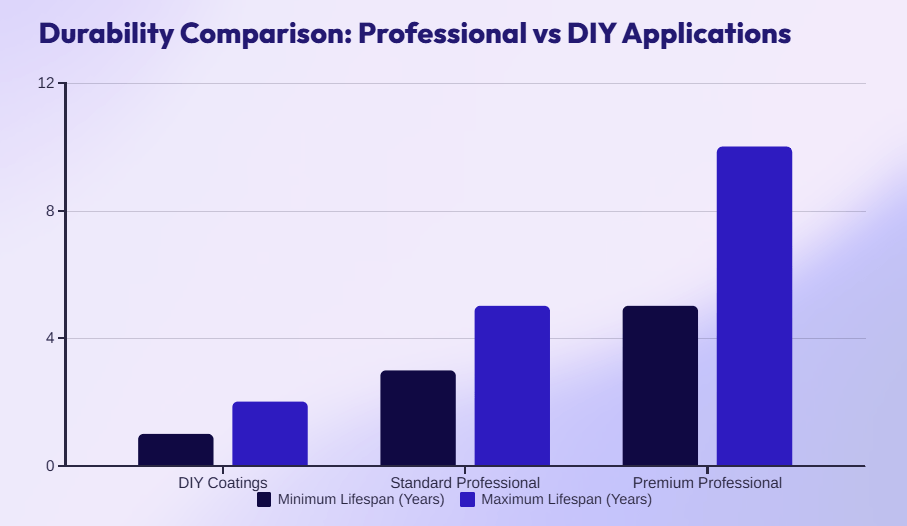
- Professional ceramic coatings last 3 to 10 years, with high-end products like Gtechniq’s Crystal Serum Ultra offering up to 9 years of protection when properly applied and maintained.
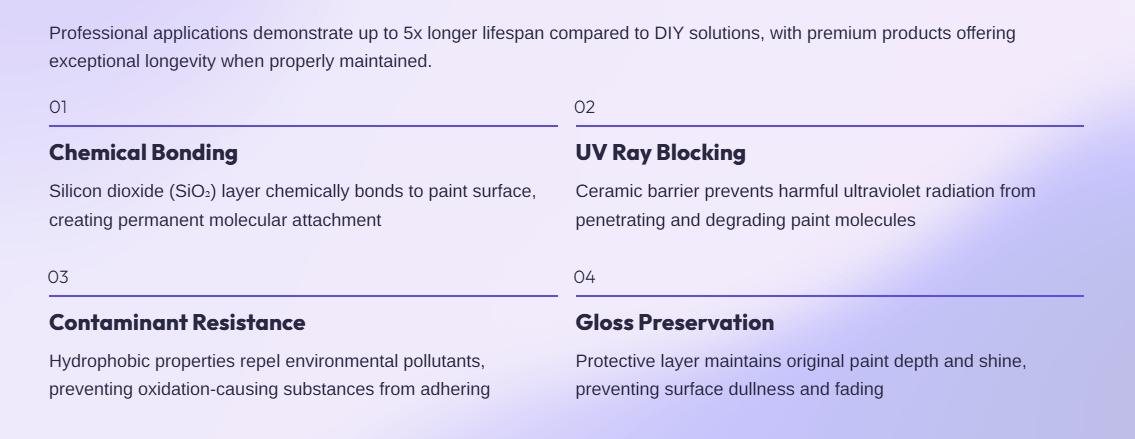
- DIY coatings typically last 1 to 2 years, showing up to 5x shorter lifespan compared to professional applications (Total Package Detailing, 2025).
- Oxidation Reduction:
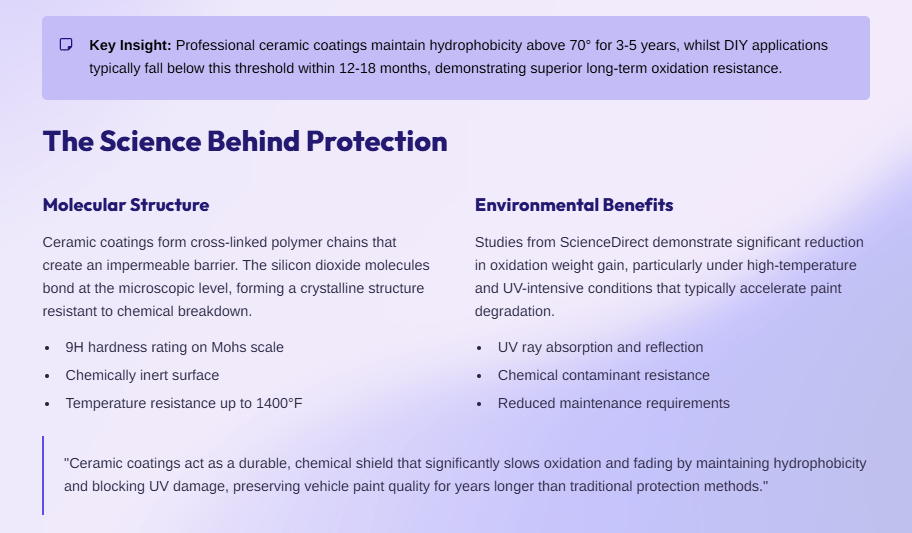
- Studies show ceramic coatings reduce oxidation weight gain on metal alloys by up to 74% compared to uncoated surfaces under harsh conditions (ScienceDirect, 2015).
- The silicon dioxide (SiO₂) layer chemically bonds to paint, forming a barrier that blocks UV rays and environmental contaminants, preventing paint degradation and fading.
- Hydrophobicity & Gloss Retention:
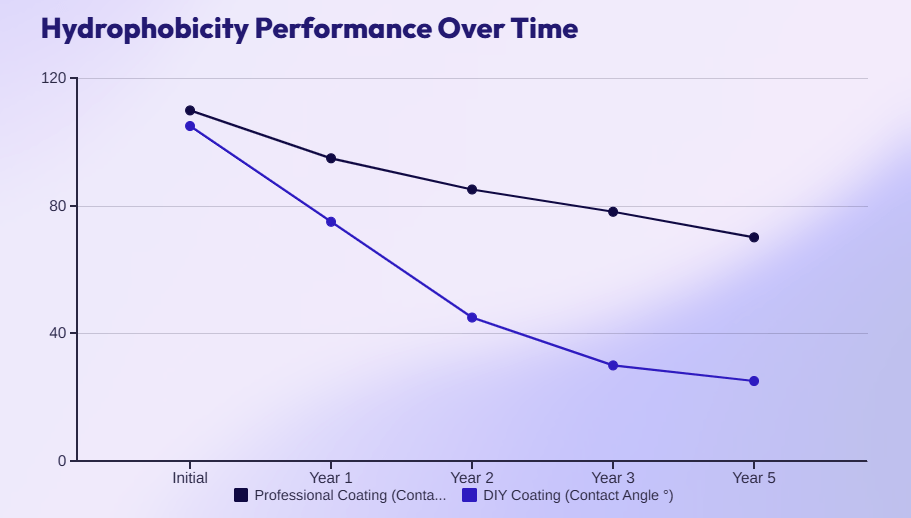
- Contact angle measurements indicate ceramic coatings maintain strong water repellency (hydrophobicity) above 70° Gloss Units (GU) for 3-5 years, slowing dirt adhesion and oxidation (The Detail Doc, 2025).
- Even after accelerated weathering tests simulating 1500 hours of intense UV exposure, coatings retain over 80% of their hydrophobic effect, significantly reducing fading and surface dullness (Bob Moses Ceramic Coating, 2021).
- Visual Chart Concepts:
- Line graph showing hydrophobicity (contact angle in GU) decline over time for professional vs DIY coatings, illustrating slower degradation for professional products.
- Bar chart comparing oxidation weight gain (mg/cm²) on coated vs uncoated metal/alloy samples after exposure to high temperature and UV.
- Timeline infographic of ceramic coating lifespan ranges (1-2 years DIY, 3-5 years standard professional, 5-10 years premium professional) with maintenance tips to extend protection.
- Conclusion: Ceramic coatings act as a durable, chemical shield that significantly slows oxidation and fading by maintaining hydrophobicity and blocking UV damage, preserving vehicle paint quality and gloss for years longer than traditional waxes or sealants.

FAQs
Q1: How long does ceramic coating typically last?
Professional ceramic coatings usually last 2–5 years, depending on maintenance and environment.
Q2: Does ceramic coating stop scratches completely?
No, it provides resistance but not total scratch-proofing. Proper care is still necessary.
Q3: Can ceramic coating be applied to older cars?
Yes, after paint correction, even older vehicles benefit greatly from coating protection.
Q4: Is ceramic coating safe for all paint colors?
Absolutely—it enhances gloss and depth on all shades, from light to dark.
Q5: How soon after application can I wash my car?
It’s best to wait about a week for the coating to cure fully before washing.