How Window Tinting Improves Windshield Clarity in Changing Weather Conditions
Understanding the Role of Window Tinting
What Window Tinting Actually Does
Window tinting is more than a cosmetic upgrade for your car. Thin protective films are applied to filter sunlight, block harmful UV rays, and reduce distracting glare. This process gives you steadier vision on the road, regardless of outside conditions. By adding tint, your windshield becomes a tool for safer and more comfortable driving.
The Science Behind Tint Films
Tint films control how light enters through glass by either absorbing or reflecting it. Some films are designed for basic shading, while advanced options like ceramic films target heat and UV rejection. These materials improve clarity while avoiding unnecessary darkness. With the right film, you get balanced brightness and clearer vision in every type of weather.
The Connection Between Weather and Windshield Clarity
Effects of Bright Sunlight on Vision
Direct sunlight creates glare that can blind drivers within seconds. It bounces off car hoods, wet pavement, and reflective surfaces, reducing reaction time. The human eye struggles to adjust quickly, making it easy to miss road signs or hazards. Without tint, even short drives in full sun can feel like driving through a spotlight.
Impact of Rain and Storms on Driving Visibility
Raindrops scatter light across the windshield and cause headlight beams to refract. This creates streaks of brightness that make it difficult to focus on the road. For many drivers, stormy conditions become visually overwhelming without tinted protection. A proper film reduces these distortions and restores clearer sightlines in the rain.
Glare from Snow and Ice Conditions
Snow reflects sunlight with mirror-like intensity, which can be more painful than summer glare. Drivers in colder regions often squint to see past these reflections, slowing their reactions. Prolonged exposure to snow glare can even cause eye strain and fatigue. Tinting helps reduce these harsh reflections and keeps winter driving more manageable.
How Window Tinting Helps in Different Weather Conditions
Reducing Sun Glare During Bright Days
Glare from direct sunlight can overwhelm your vision quickly. Window Tinting Rockville softens these rays, balancing the brightness inside your vehicle. This makes it easier to notice road markings, pedestrians, and traffic signs. A tinted windshield transforms daytime driving into a more relaxed experience.
Improving Contrast in Cloudy Weather
Cloudy days often make objects ahead look flat and washed out. Tinting films sharpen contrast by filtering light in a way that highlights differences between colors and shapes. This effect prevents important details from blending into the background. Even in overcast conditions, the road becomes clearer and easier to navigate.
Enhancing Clarity in Rainy Conditions
Rain combined with bright headlights from oncoming traffic creates heavy glare. Tinting films minimize these reflections, softening how light bounces off raindrops. The result is a windshield that shows more definition and less haze. For drivers, that means fewer distractions during storms and safer handling.
Minimizing Glare on Snow-Covered Roads
Snow glare is one of the toughest challenges for winter drivers. Bright reflections bouncing off icy surfaces reduce vision and cause discomfort. Tint films filter these sharp reflections while keeping the windshield clear. The effect is greater comfort, reduced squinting, and improved safety in cold weather.
Window Tinting and Eye Comfort
Cutting Down Eye Strain
Constant glare forces your eyes to squint and adjust, which tires them quickly. Window tinting works like a permanent set of sunglasses for your windshield. By softening harsh light, it keeps your eyes relaxed during long commutes. This makes extended driving less draining and more enjoyable.
Preventing Headaches from Glare
Many drivers experience headaches or migraines from prolonged exposure to intense light. Tinting reduces this trigger by blocking sharp, high-intensity glare. With less strain on your vision, your head stays clearer and more comfortable. The result is a smoother driving experience even on the brightest days.
Safety Benefits of Clearer Visibility
Faster Reaction Time for Drivers
In traffic, a single second can make the difference between safety and collision. Window tinting helps keep vision sharp by removing blinding distractions. This clarity allows drivers to react faster to sudden stops or turns. Safer responses mean safer roads for everyone.
Reduced Risk of Weather-Related Accidents
Poor weather often leads to more accidents on the road. Clearer visibility through tinted windows reduces these risks by improving driver focus. Less glare means fewer visual errors and better judgment in tough conditions. In short, tinting adds a protective layer of safety during unpredictable weather.
Different Types of Window Tint Films
Dyed Window Films
Dyed films are the most basic option and absorb light using color layers. They are affordable but often fade over time, which reduces clarity. While they help with glare, their durability isn’t strong for long-term use. These films work best as entry-level tinting solutions.
Carbon Window Films
Carbon films are built to block infrared light, which helps reduce heat inside your car. They also maintain visibility across different weather conditions. Unlike dyed films, they resist fading and offer stronger performance over time. Drivers who want durability and comfort often choose carbon.
Ceramic Window Films
Ceramic films are the highest quality option on the market. They block UV rays, reduce heat, and filter glare while staying crystal clear. Unlike darker tint, they don’t sacrifice visibility to deliver results. Capital Wrappers frequently recommends ceramic tint for long-lasting clarity.
Factors That Influence Tint Performance
Tint Percentage and Darkness
The darkness of your tint affects both privacy and visibility. A darker film isn’t always better for clarity, especially in low light. The ideal percentage balances these needs while following local laws. Choosing the right level ensures safer driving in all conditions.
Quality of Installation
Even premium films fail if they’re poorly installed. Bubbles, streaks, and misaligned cuts distort the view through your windshield. Skilled installers apply tint with precision to ensure flawless clarity. This professional touch directly impacts how well the tint performs.
Legal Regulations in Your Area
Tint laws vary depending on where you live. Some states allow darker shades, while others limit how much light must pass through. Staying compliant keeps you safe from tickets while enjoying tint benefits. It’s important to check local rules before installation.
Myths About Window Tinting and Visibility
Myth: Tint Makes Windshields Darker in Bad Weather
Many assume tint worsen visibility during storms or at night. In reality, modern films filter harmful glare without making glass overly dark. Drivers often report improved clarity, not reduced sight. The goal is better focus, not unnecessary shading.
Myth: Tint Films Scratch or Fade Easily
Low-quality films can degrade, but professional-grade tint resist damage. Ceramic and carbon options stay strong against scratches and fading. With proper installation, they can last for many years. Capital Wrappers uses materials that maintain performance season after season.
Long-Term Benefits for Daily Driving
Consistency Across Seasons
Tinted glass provides the same level of clarity in summer heat or winter snow. Drivers don’t need to constantly adjust their eyes to shifting light conditions. The film adapts naturally to weather changes for a balanced view. This consistency adds peace of mind throughout the year.
Protection for Driver and Passengers
Window tint also protect more than just your eyesight. They block UV rays that damage skin and fade interiors. Over time, this preserves your vehicle while safeguarding health. Comfort and protection work hand-in-hand with tinting.
The Role of Professional Installation
Why Skilled Installers Matter
Professional installers deliver precision and reliability in every project. They cut, apply, and smooth the film without flaws that distort clarity. Their expertise ensures the tint performs as advertised. This level of care is something DIY jobs can rarely match.
Mistakes to Avoid with DIY Tinting
DIY kits often leave behind streaks, bubbles, or uneven edges. These imperfections reduce visibility and shorten the life of the film. While cheaper upfront, mistakes end up costing more in the long run. Skilled installers prevent these problems with professional tools and training.
Case Example: Capital Wrappers’ Approach to Tinting
Focus on High-Quality Materials
Capital Wrappers carefully selects films designed for maximum clarity and protection. Their materials resist fading, block UV rays, and filter glare effectively. Customers benefit from longer-lasting results and sharper vision. Their approach focuses on real-world improvements for daily driving.
Experienced Installers for Maximum Clarity
At Capital Wrappers, skilled installers prioritize accuracy and quality. Each installation is handled with care to prevent bubbles or distortion. Their expertise ensures every driver experiences improved visibility. The goal is clear, consistent results in all weather conditions.
Capital Wrappers Serving the Windmill Farm and Beyond in Rockville,MD
Capital Wrappers is dedicated to serving the diverse needs of the local community of Rockville, MD including individuals residing in neighborhood like Windmill Farm With its convenient location near landmarks such as the Aberdeen Local Park, Muddy Branch Trail Head and major intersections like Jones Ln & Triple Crown Rd And Jones Ln & Whitetail Way(coordinates: (coordinates: [39.093342146911326, -77.26333594531249], we offer Window tinting services.
Get window tinting Services at Windmill Farm Now
Call Us :+(301) 417-5977
Navigate from Windmill Farm to Capital Wrappers Now
How Window Tinting Improves Windshield Clarity in Changing Weather Conditions?
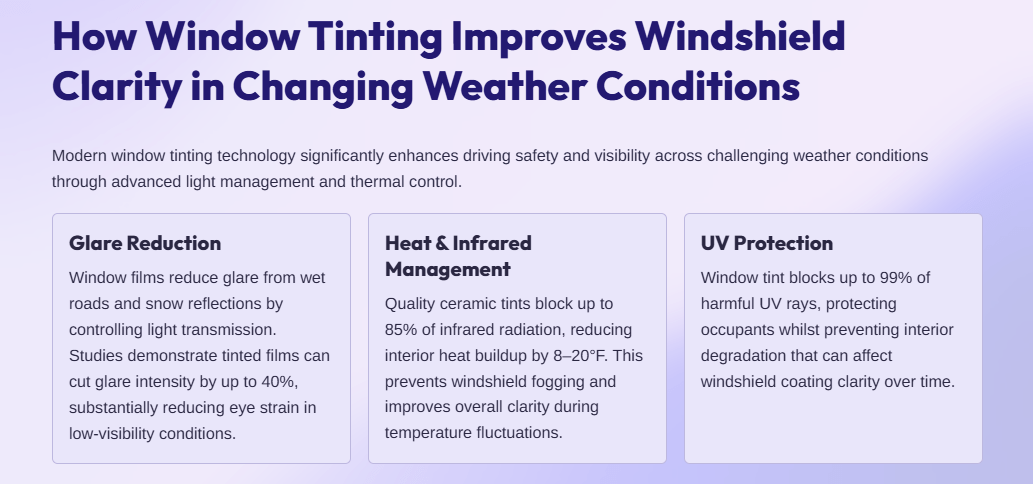
- Glare Reduction in Rain & Snow:
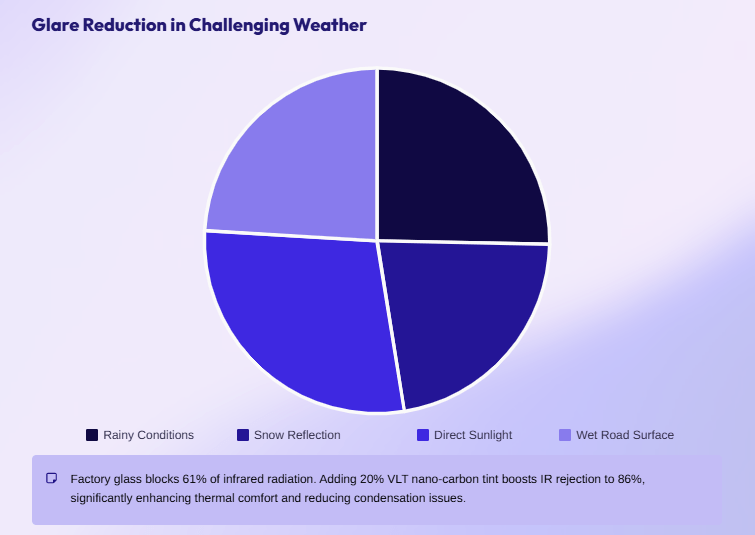
- Window films reduce glare from wet roads and snow reflections by controlling light reflection and transmission, improving visibility and driver safety.
- Studies show tinted films can cut glare intensity by up to 40%, easing eye strain in low-visibility conditions.
- Heat & Infrared Rejection:
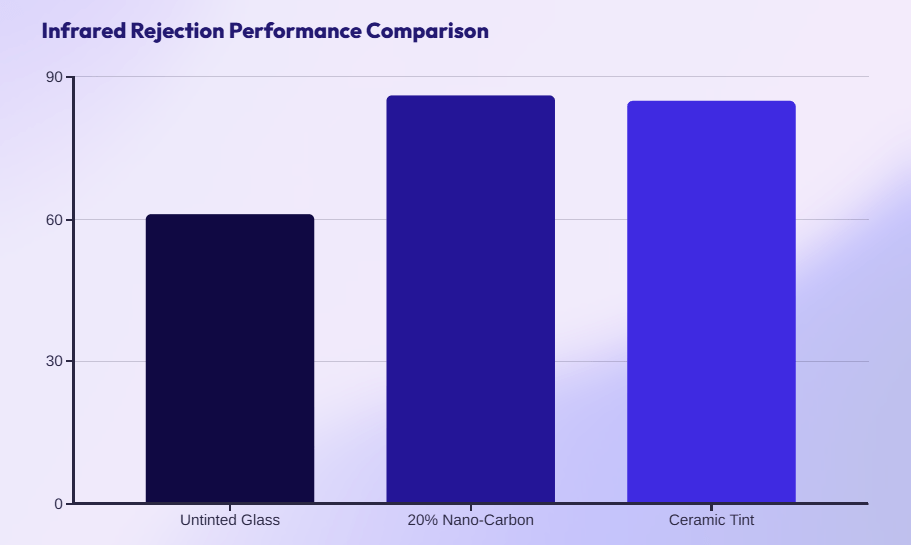
- Quality ceramic tint block up to 85% of infrared radiation, reducing interior heat buildup by 8–20°F (4.5–11°C), preventing windshield fogging and improving clarity.
- Factory glass blocks 61% infrared; adding 20% VLT nano-carbon tint boosts IR rejection to 86%, enhancing thermal comfort and reducing condensation.
- UV Protection:
- Window tint blocks up to 99% of harmful UV rays, protecting skin and preventing interior fading, which can degrade windshield coatings affecting clarity.
- Visible Light Transmission (VLT) Balance:
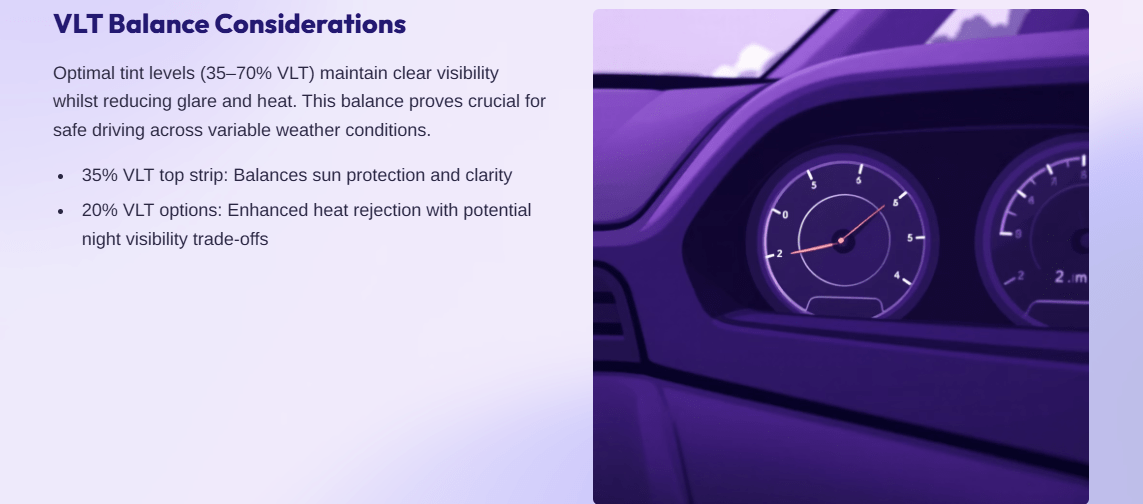
- Optimal tint levels (35–70% VLT) maintain clear visibility while reducing glare and heat, crucial for safe driving in variable weather.
- Example: 35% VLT top strip tint balances sun protection and clarity; darker tint (20% VLT) offer more heat rejection but may reduce night visibility.
- Visual Chart Summary:
- Bar chart comparing IR rejection: Untinted glass (61%) vs. 20% nano-carbon tint (86%) vs. ceramic tint (up to 85%).
- Line graph showing interior temperature drop (°F) with tint application under sun exposure.
- Pie chart illustrating glare reduction percentage in rainy/snowy conditions with window film.
Sources: Extreme Car Audio LLC (2025), Columbus Ohio Tint (2024), CX90 Forum (2024), ClearPro (2024) [Visuals: Infrared rejection bar chart, temperature reduction line graph, glare reduction pie chart]
FAQs
Does window tinting help during night driving?
Yes. Quality films reduce glare from headlights without darkening your vision.
How does tinting improve driving in rain?
It softens scattered light from raindrops, making oncoming headlights less distracting.
Can I choose different tint levels for front and rear windows?
Yes, though state laws may restrict darkness levels on front windshields.
How long does professional tinting usually last?
With high-quality materials, films can last 10 years or more.
Is ceramic tint better than carbon or dyed films?
Yes. Ceramic offers the strongest protection, durability, and clarity across all weather.