What Makes Ceramic Window Tinting Different From Traditional Films
Window tinting has become a standard upgrade for car owners who value comfort and safety. By filtering sunlight and blocking UV rays, tinting transforms the driving experience. It reduces glare, protects interiors, and keeps drivers focused even in challenging conditions.
The Role of Tint Films in Modern Cars
Modern vehicles are designed with visibility and protection in mind, and tint films play a key role. They regulate how light passes through glass and provide added comfort. Whether in hot summers or cold winters, Window Tinting Rockville balances visibility with safety.
What Are Traditional Tint Films?
Dyed Tint Films
Dyed films use layers of color to absorb sunlight and reduce brightness inside the car. They are cost-effective but tend to fade over time, losing effectiveness. Drivers often notice that dyed tint need replacement sooner than other options.
Metallic Tint Films
Metallic films use metal particles to reflect sunlight and improve heat rejection. While effective, they sometimes interfere with signals like GPS or cell reception. This makes them less practical in today’s connected driving environments.
Carbon Tint Films
Carbon films block infrared rays, keeping interiors cooler without metallic interference. They resist fading better than dyed films and provide solid performance. Still, they fall short of the clarity and efficiency offered by ceramic films.
Introduction to Ceramic Window Tinting
How Ceramic Technology Works
Ceramic window tinting relies on non-metallic, nano-ceramic particles. These tiny elements filter UV and infrared rays without darkening the glass excessively. The result is superior clarity paired with unmatched heat rejection.
Key Components of Ceramic Films
Unlike traditional films, ceramic tint don’t use dyes or metals. Instead, they employ advanced ceramic particles that withstand extreme heat and resist fading. This technology ensures durability while maintaining visibility.
Comparing Ceramic Tint to Traditional Films
Heat Rejection Capabilities
Ceramic tint outperform traditional films in managing heat. They block a high percentage of infrared radiation, keeping car interiors cooler. This makes long summer drives more comfortable and reduces strain on air conditioning.
UV and Infrared Protection
Traditional films provide partial UV blocking, but ceramic tint offer near-total protection. They safeguard skin, eyes, and vehicle interiors from harmful rays. Over time, this prevents fading, cracking, and long-term damage.
Clarity and Visibility in Different Weather
One of ceramic tint’s biggest advantages is clear visibility. Unlike metallic or dyed films, ceramic tint maintain sharpness in bright sun, rain, or snow. Drivers get the benefit of glare reduction without compromised clarity.
Durability and Longevity
Traditional films often peel, bubble, or fade after years of exposure. Ceramic films resist these issues due to their robust structure. When installed properly, they last significantly longer, offering consistent performance.

Eye Comfort and Driving Experience
Reducing Glare for Safer Driving
Glare from sunlight or headlights can make driving stressful. Ceramic window tinting softens harsh light, improving comfort. Drivers remain more focused and less distracted on the road.
Preventing Eye Strain and Fatigue
Long drives with constant glare lead to squinting and eye strain. Ceramic films ease this burden by balancing brightness levels. Passengers and drivers alike experience a calmer, less tiring ride.
Safety Benefits of Ceramic Window Tinting
Stronger Film Structure
Ceramic films are built to last, offering a more resilient layer compared to dyed or metallic versions. Their advanced materials resist cracking and degradation. This strength ensures steady performance for years.
Shatter Resistance and Accident Protection
In case of impact, ceramic tint films help hold glass together. This reduces the risk of shards injuring passengers during accidents. It’s an added safety benefit that traditional films can’t always match.
Environmental Impact of Tinting Choices
Energy Efficiency with Ceramic Films
By blocking heat more effectively, ceramic tint reduce reliance on air conditioning. This lowers fuel consumption in vehicles and conserves energy. The result is improved efficiency and reduced emissions.
Lower Carbon Footprint Over Time
Ceramic films last longer, which means fewer replacements and less waste. Their durability contributes to sustainability by reducing manufacturing demand. Choosing ceramic is an environmentally conscious decision.
Myths About Ceramic Window Tinting
Myth: Ceramic Tint is Just Darker Glass
Many assume ceramic tint simply darkens windows. In reality, it filters harmful light while maintaining clarity. The goal is to improve comfort and visibility, not create blackout glass.
Myth: Ceramic Tint Interferes With Electronics
Unlike metallic tint, ceramic films don’t block signals. GPS, Bluetooth, and mobile devices function normally. Drivers enjoy both modern connectivity and advanced protection.
Factors to Consider Before Choosing a Tint
Local Regulations on Window Tinting
Every state or region sets laws on how dark tint can be. Ceramic films are available in multiple shades to meet regulations. Checking these limits ensures compliance and safety.
Balancing Aesthetics and Functionality
Tint choice isn’t only about appearance. It’s about finding a balance between style, protection, and clarity. Ceramic films offer this balance without sacrificing performance.
Why Professional Installation Matters
The Risks of DIY Window Tinting
DIY kits often result in uneven application, bubbles, or peeling. These flaws compromise clarity and shorten film lifespan. Professional installation avoids these pitfalls entirely.
How Experts Ensure Long-Term Clarity
Skilled installers like those at Capital Wrappers use precision techniques. They align, cut, and apply ceramic films without flaws. This ensures maximum durability and visual clarity.
Case Study: Capital Wrappers and Ceramic Tint
Focus on Premium Materials
Capital Wrappers sources high-quality ceramic films designed for long-term performance. Their materials are engineered to resist fading, cracking, and bubbling. Customers experience consistent protection year after year.
Skilled Installers for Lasting Results
The team at Capital Wrappers relies on expert installers who prioritize clarity. Their work guarantees smooth application and flawless results. Drivers enjoy comfort, safety, and style combined.
Long-Term Benefits of Ceramic Window Tinting
Consistent Comfort Across Seasons
Ceramic tint perform equally well in summer heat and winter glare. They adapt to all conditions, ensuring year-round clarity. Drivers benefit from steady comfort on every trip.
Protecting Passengers and Interiors
Beyond comfort, ceramic films protect what matters inside the car. They shield skin from UV rays and prevent interiors from fading. Over time, this protection preserves both health and value.
Capital Wrappers Serving the Old Georgetown Estates and Beyond in Rockville, MD
Capital Wrappers is dedicated to serving the diverse needs of the local community of Rockville, MD including individuals residing in neighborhood like Old Georgetown Estates With its convenient location near landmarks such as the Farmland Drive Local Park Tilden Woods Local Park and major intersections like Montrose Rd & Josiah Henson Pkwy and Old Stage Rd & Magruder Ln (coordinates: (39.04831881391322, -77.14753572393953) , we offer Window tinting services.
Get window tinting Services at Old Georgetown Estates Now
Call Us :+(301) 417-5977
Navigate from Old Georgetown Estates to Capital Wrappers Now
How Does Ceramic Window Tinting Different From Traditional Films?
- Heat Rejection:
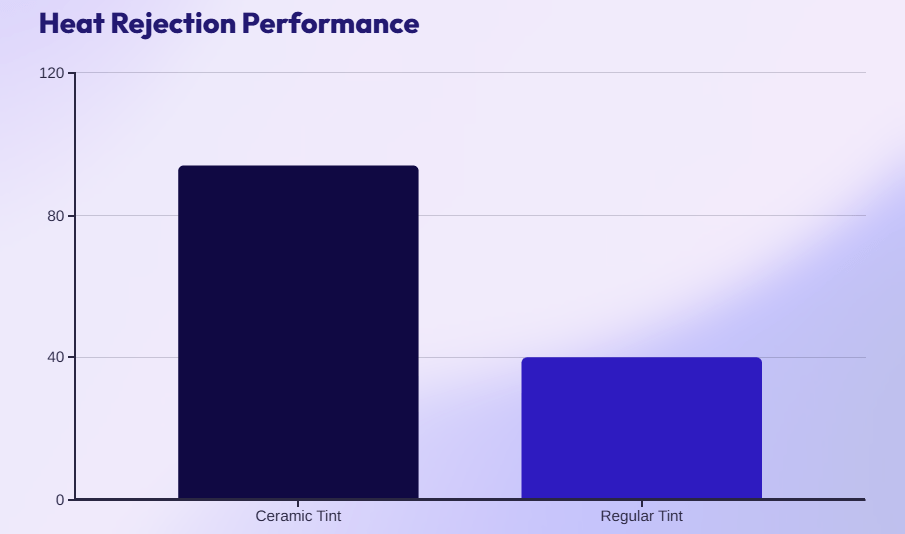
- Ceramic tint blocks up to 90-98% of infrared heat, keeping interiors significantly cooler.
- Regular tint blocks only about 30-50% infrared heat, offering limited cooling effect. (Chart: Bar graph comparing % infrared heat blocked by Ceramic vs Regular tint)
- UV Protection:
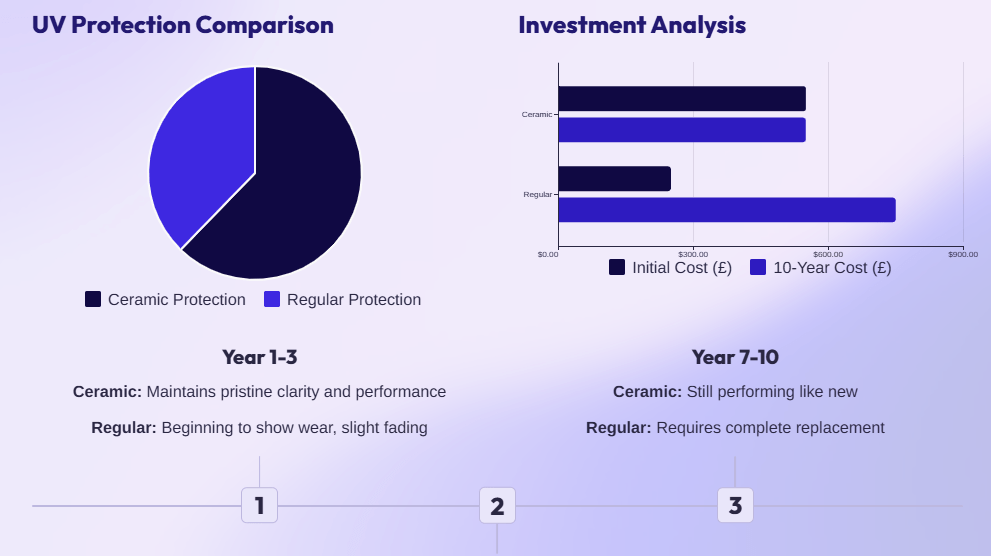
- Ceramic tint blocks up to 99% of harmful UV rays, protecting skin and interior materials.
- Regular tint blocks around 50-70% UV rays, less effective long-term protection. (Chart: Pie charts showing UV protection levels)
- Durability & Longevity:
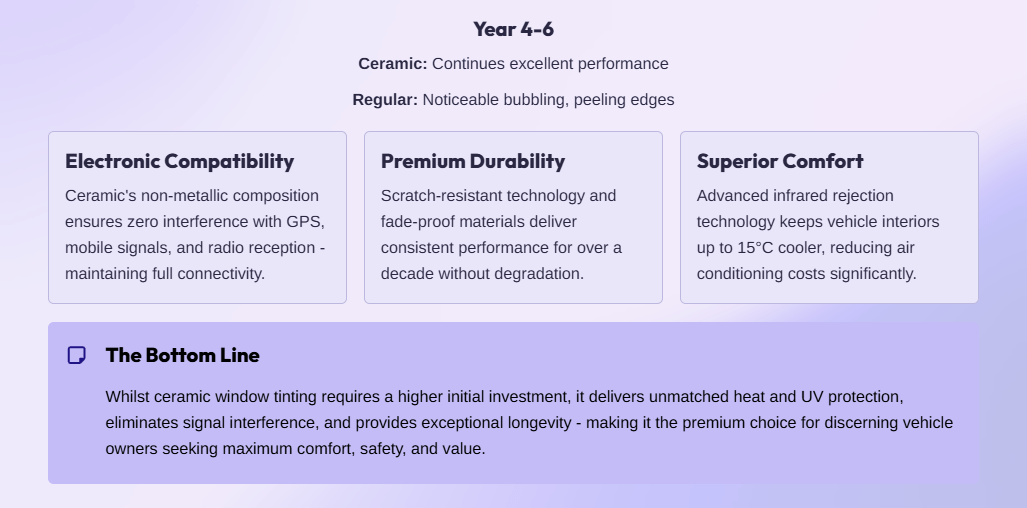
- Ceramic tint is scratch-resistant, fade-proof, and lasts 10+ years without colour change.
- Regular tint tends to fade, bubble, and peel within 3-5 years, requiring replacement. (Visual: Timeline comparison of lifespan with fading indicators)
- Signal Interference:
- Ceramic tint is non-metallic, causing no interference with GPS, cell phones, or radio signals.
- Some regular tint contain metal particles that can disrupt electronic signals. (Icon-based comparison: signal bars full vs reduced)
- Cost Consideration:
- Ceramic tint costs $300-$800 for full installation but is a long-term investment.
- Regular tint costs $100-$400, cheaper upfront but may incur replacement costs. (Simple cost vs value infographic)
Summary: Ceramic window tinting offers superior heat and UV protection, durability, and electronic compatibility compared to traditional dyed or metallic tint, making it the premium choice for comfort, safety, and longevity despite a higher initial cost.
[Sources: The Tint Guy (2023), AutoZone (2025), Tintix (2025), Metropolitan Tinting (2025)]
FAQs
How long do ceramic window tint usually last?
With professional installation, ceramic films can last over a decade without fading or bubbling.
Do ceramic tint block both UV and infrared rays?
Yes, ceramic films block nearly 99% of UV rays and a high percentage of infrared heat.
Will ceramic tint affect my car’s electronics?
No, ceramic tint are signal-friendly and don’t interfere with GPS, Bluetooth, or mobile use.
Are ceramic films darker than other tint?
Not necessarily. Ceramic films are available in multiple shades while still maintaining clarity.
Why should I choose Capital Wrappers for installation?
Capital Wrappers uses premium materials and skilled installers to ensure flawless, lasting results.